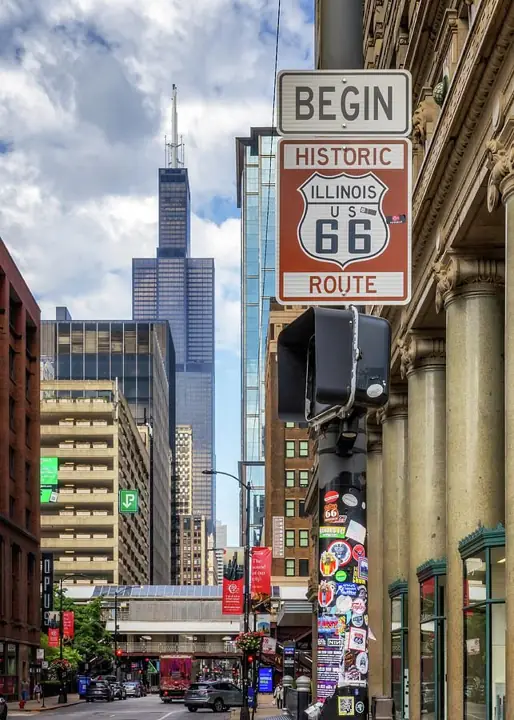
The iconic "Begin Route 66" sign at Adams Street and Michigan Avenue, marking the official start of the Mother Road.
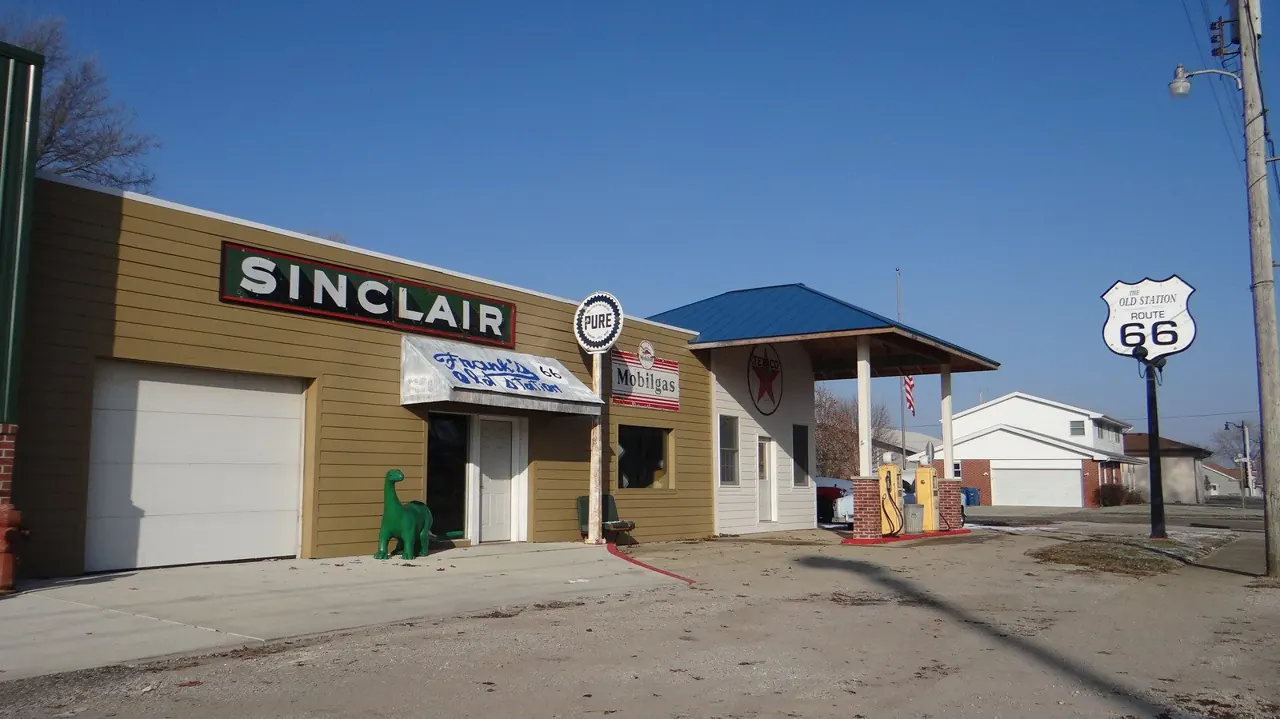
The starting point of the legendary Route 66, where the journey begins in the heart of Chicago.
Route 66 begins at a small brown sign on Adams Street in downtown Chicago and runs 301 miles southwest to the Mississippi River opposite St. Louis. Beyond the suburbs and Joliet the land opens into flat prairie farmland, with a grain elevator marking each small town. Interstate 55 replaced the highway and stays close throughout, but most of the old two-lane road survives beside it and is well signed. Expect restored gas stations, fiberglass giants and, in Springfield, Abraham Lincoln.
Start at the Route 66 Begin Sign, then go about a mile west to Lou Mitchell's Restaurant, a customary first breakfast for westbound travelers since 1949. In Wilmington the Gemini Giant, a 30-foot fiberglass spaceman, stands restored at South Island Park. Ambler's Texaco Station in Dwight sold gasoline for 66 years. In Springfield, the Cozy Dog Drive-In still serves its battered hot dog on a stick. South of the capital the route splits: the earlier alignment passes the Original Brick Road Segment near Auburn, and the later one reaches the Ariston Café, in Litchfield since 1929.
Allow two to three days. Pontiac, Bloomington-Normal, Springfield and Litchfield are good overnight stops, and Springfield deserves half a day for its Lincoln sites. Chicago traffic is heavy and there is no stopping on Adams Street, so park in a garage. Many small-town stations and museums are run by volunteers with seasonal hours, so in winter expect to see some from outside only. Check access to the old Chain of Rocks river crossing, since construction closed the Illinois approach during 2026.
The iconic "Begin Route 66" sign at Adams Street and Michigan Avenue, marking the official start of the Mother Road.
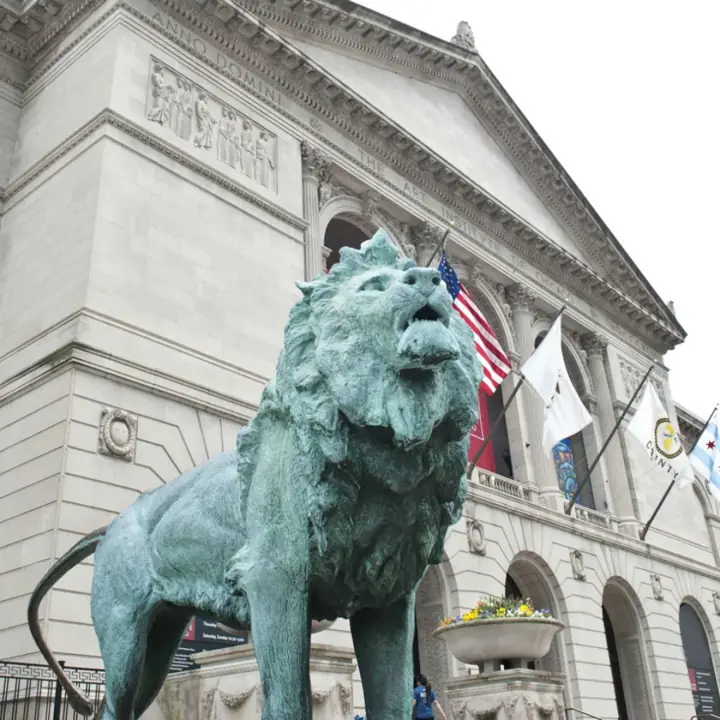
Iconic bronze lions guarding the Art Institute of Chicago, a perfect photo spot near the start of Route 66.
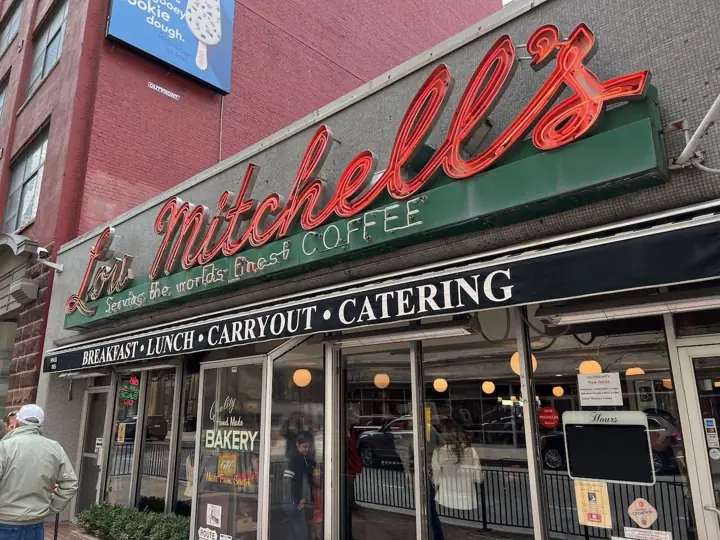
1923 diner famous with Route 66 travelers, serving complimentary donuts and milk duds to start your journey.
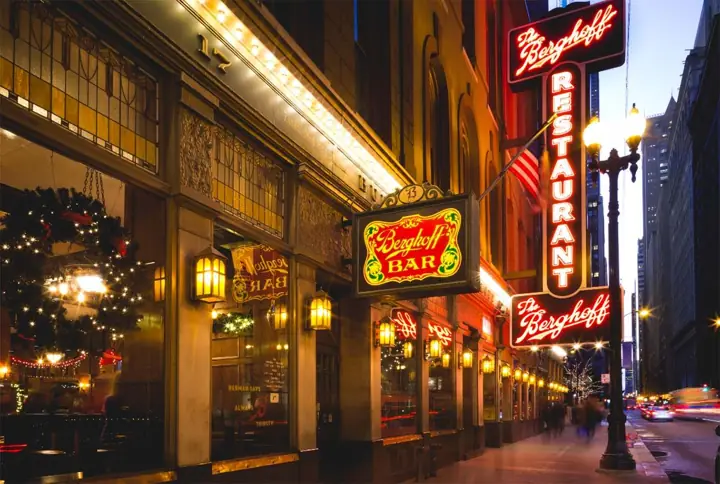
Historic German eatery on original Route 66, serving traditional cuisine since 1898.
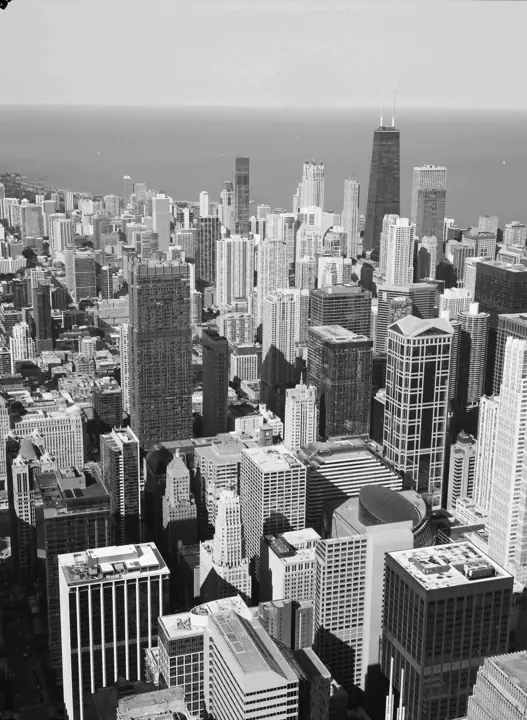
View from the top of Chicago at one of the tallest buildings in the Western Hemisphere.
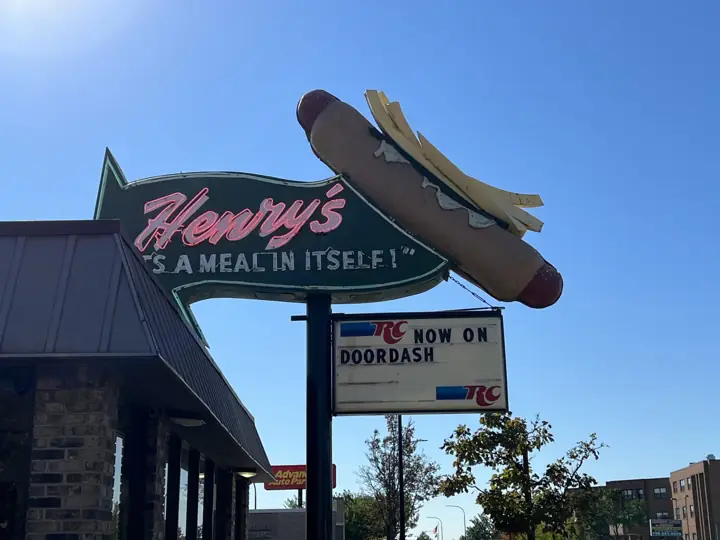
Giant sign of a hot dog topped with fries, a quirky roadside landmark that has delighted travelers for decades.
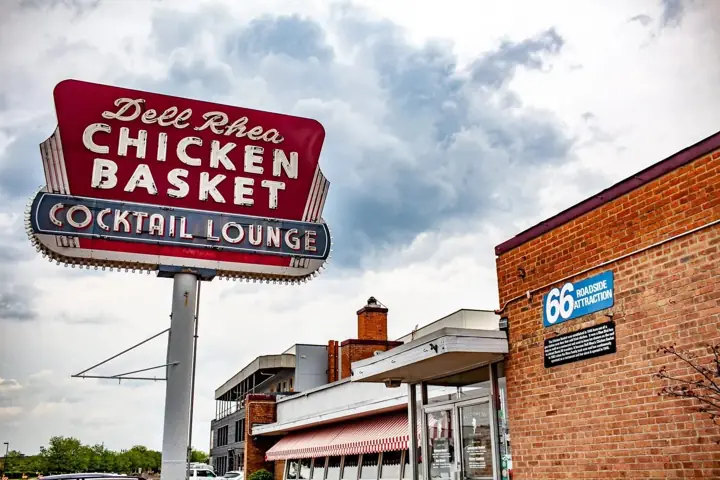
1946 fried chicken restaurant, a Route 66 icon serving travelers in Willowbrook for over 75 years.
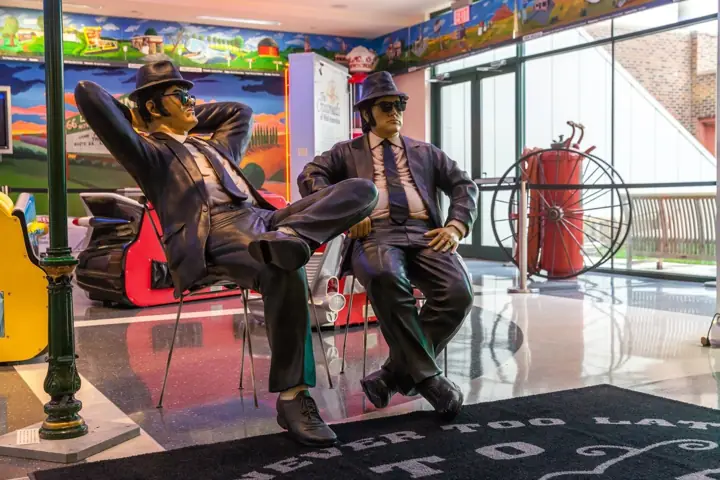
Great starting point with exhibits, maps, and information about Route 66 history and attractions.
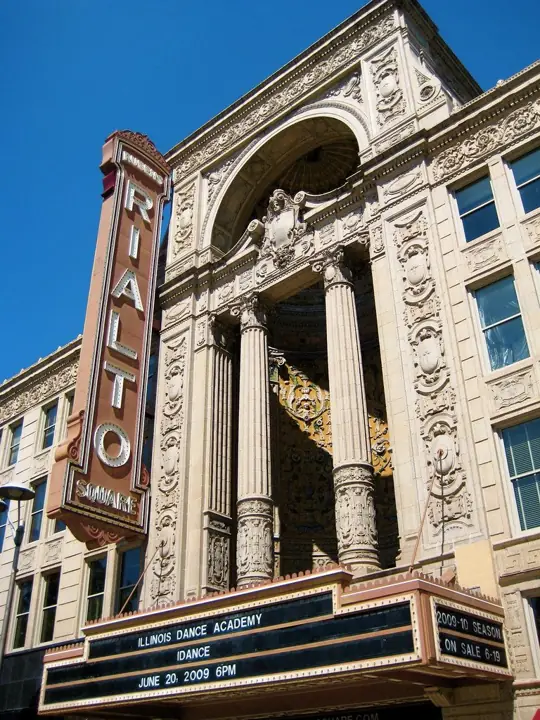
1920s opulent movie palace known as the "Jewel of Joliet," featuring stunning architecture and live performances.
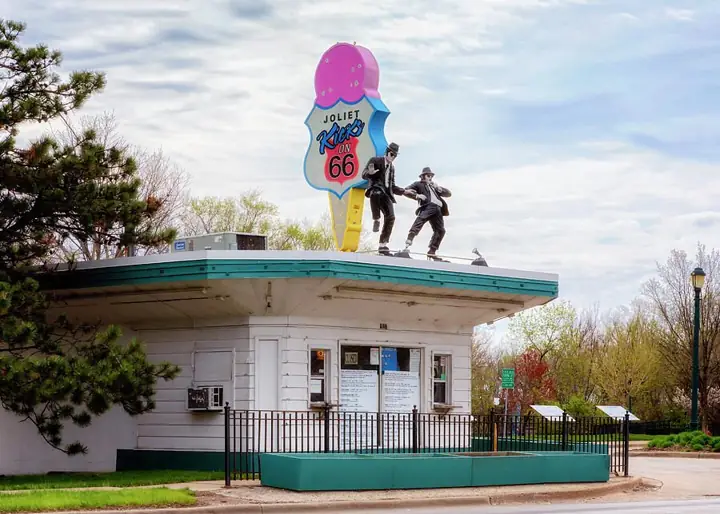
Retro ice cream stand with Blues Brothers statues on the roof, celebrating Joliet's movie fame.
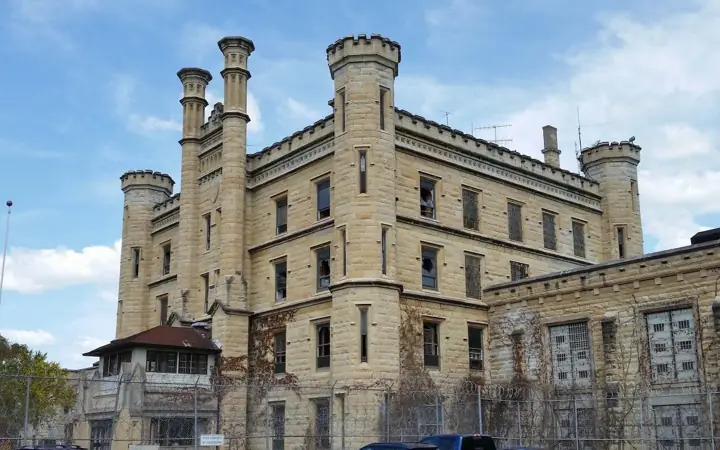
Historic prison featured in The Blues Brothers and other films, offering guided tours of this imposing limestone fortress.
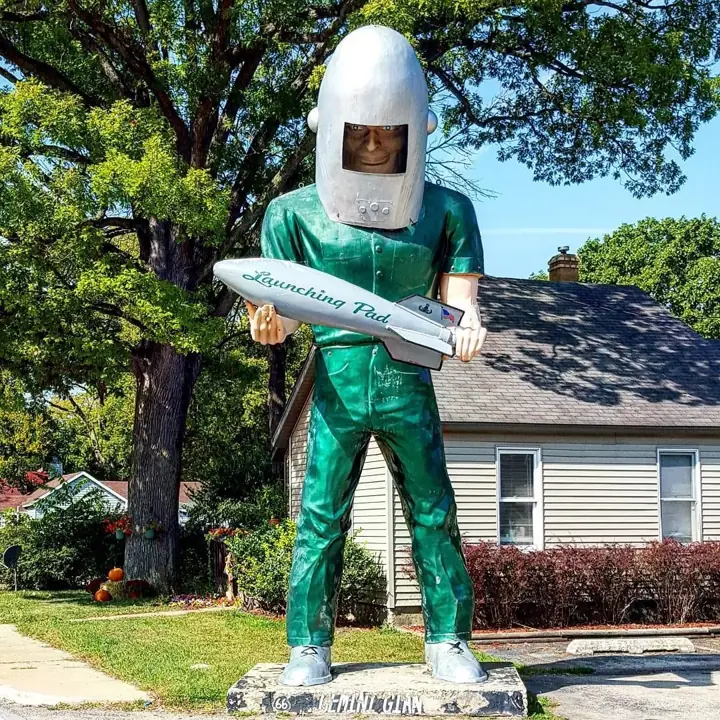
Fiberglass "Muffler Man" astronaut, moved from the Launching Pad to South Island Park in 2024, one of the most photographed Route 66 attractions.
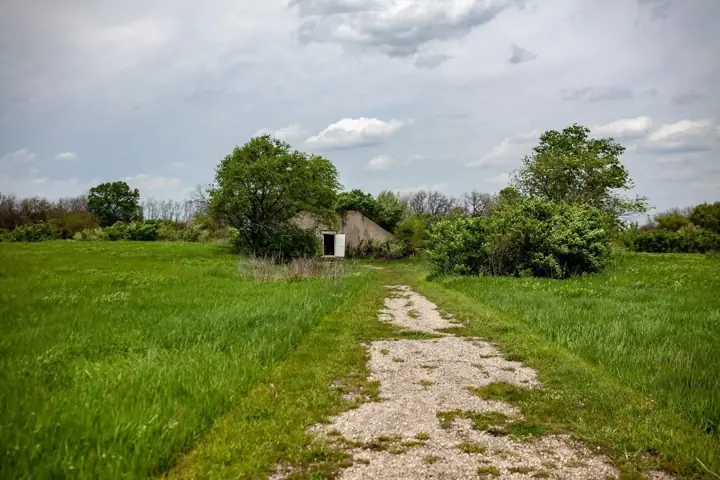
Native prairie restoration with bison herd, showcasing Illinois' natural heritage along Route 66.
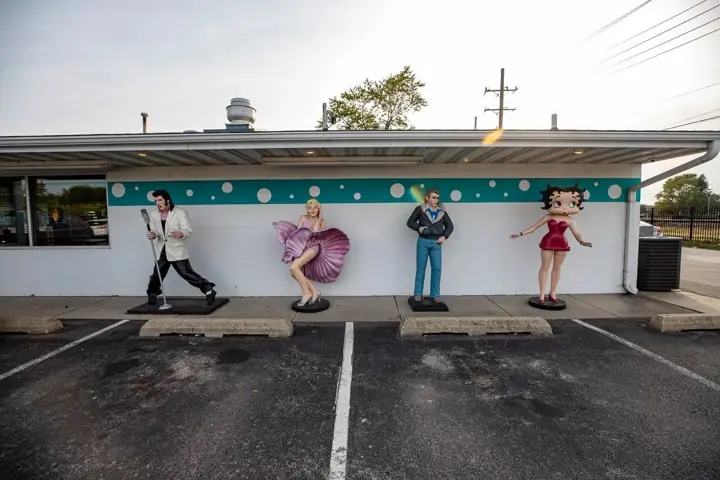
1950s-themed diner with Elvis & Betty Boop statues, serving classic American fare with vintage flair.
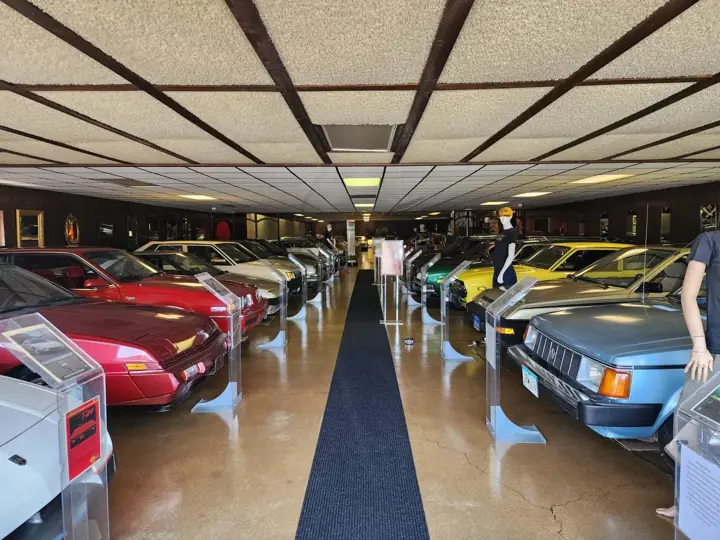
Crazy 80's is a hidden gem that transports visitors back to the late 1970s and 1980s, showcasing everyday cars from the Malaise Era, no muscle cars, just the vehicles people actually drove.
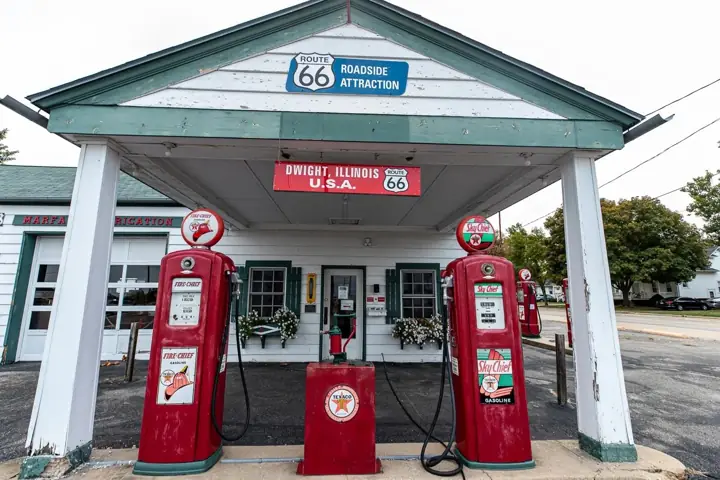
Restored 1930s gas station, now a visitor center showcasing the golden age of automobile travel.
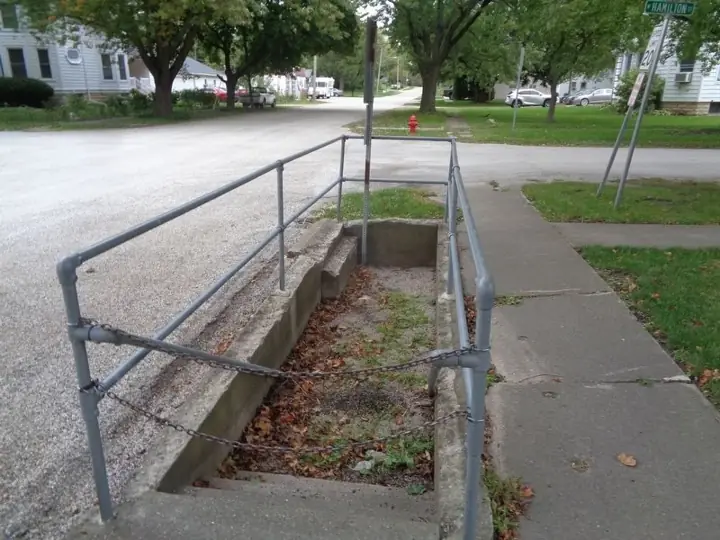
Pedestrian tunnel under Route 66, a unique piece of highway infrastructure from the early days.
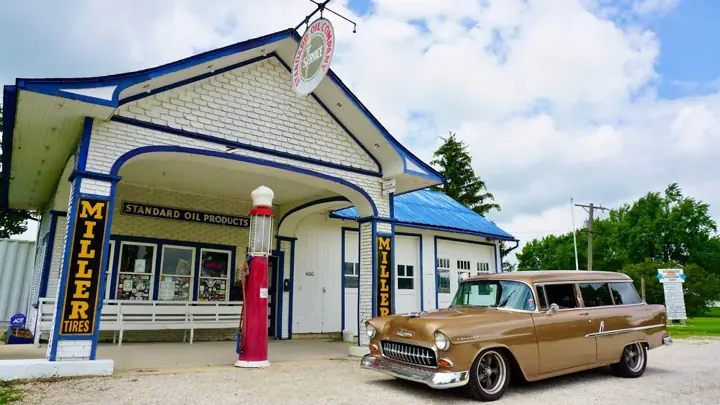
1932 station, restored with original pumps and serving as a museum of early automotive travel.
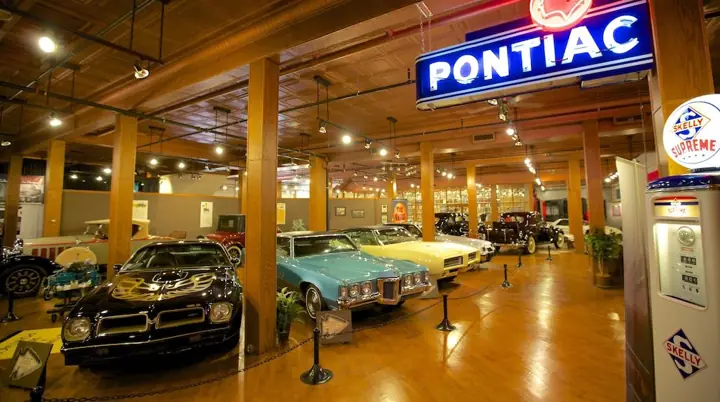
Historic cars and GM history, celebrating the automotive heritage of the Pontiac brand.
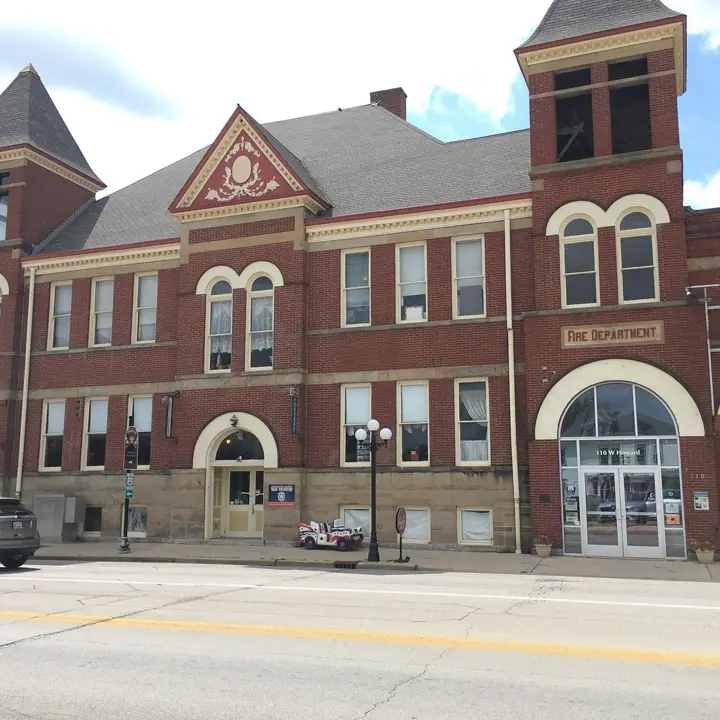
Military memorabilia and exhibits housed inside a historic building, showcasing local military history.
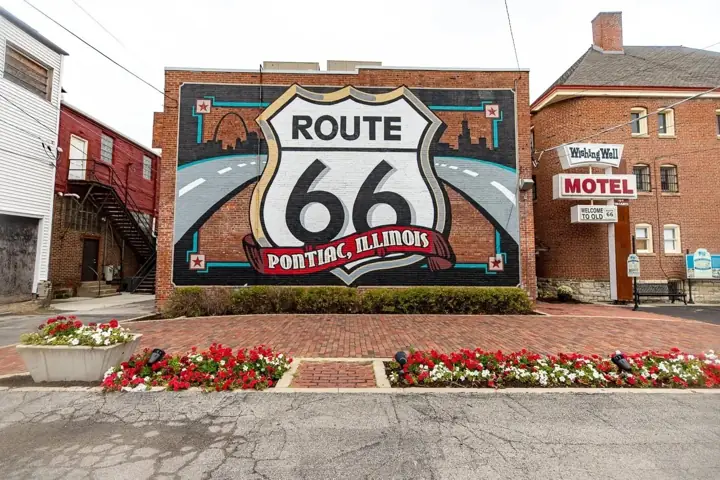
Perfect photo-op with a massive Route 66 shield painted on a downtown building wall.
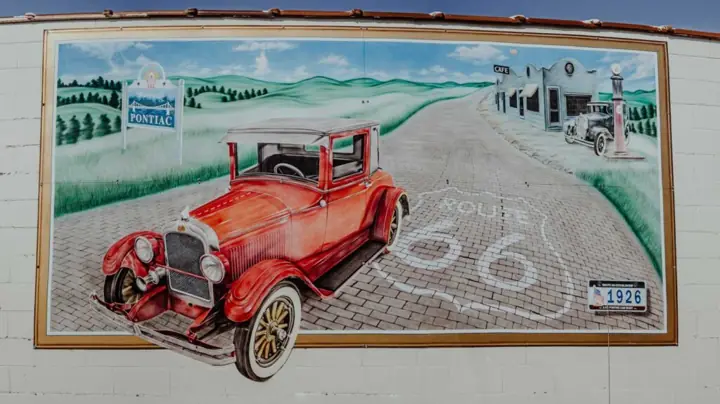
Over 20 murals across town depicting local history, Route 66 heritage, and community pride.
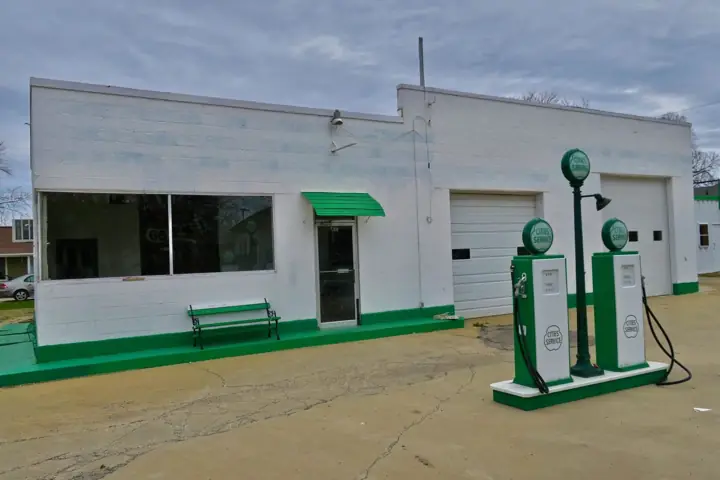
Restored 1950s service station showcasing mid-century automotive service architecture.
Preserved stretch of original 1926 concrete from early Route 66, offering a connection to the highway's first surface.
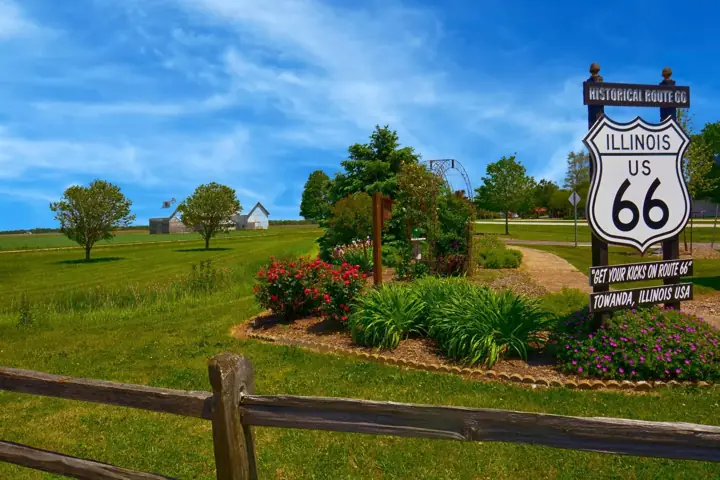
Route 66 history signs along the old alignment, telling the story of the highway's impact on small-town America.
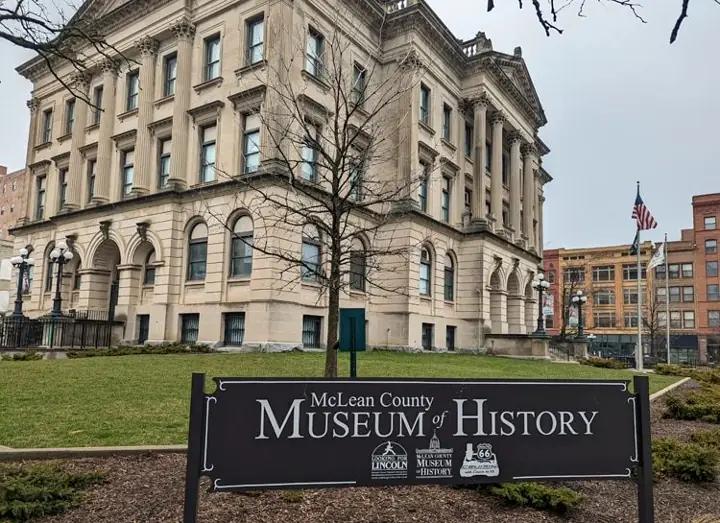
Located in the McLean County Museum of History, featuring exhibits on Lincoln and Route 66 connections.
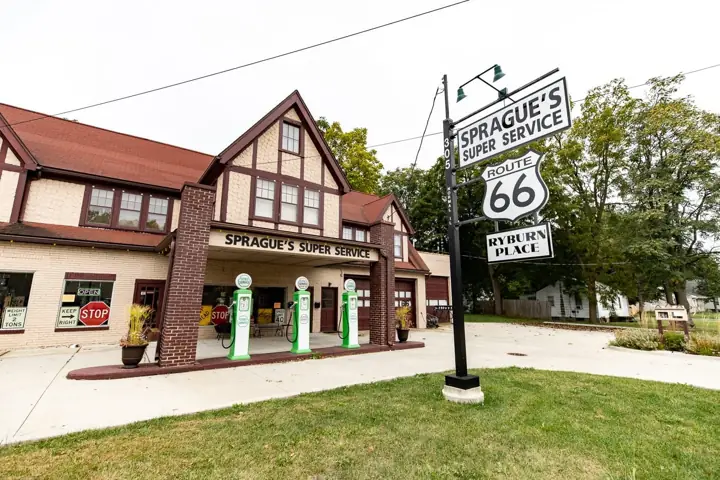
Tudor Revival gas station & café from 1931, representing the architectural evolution of roadside services.
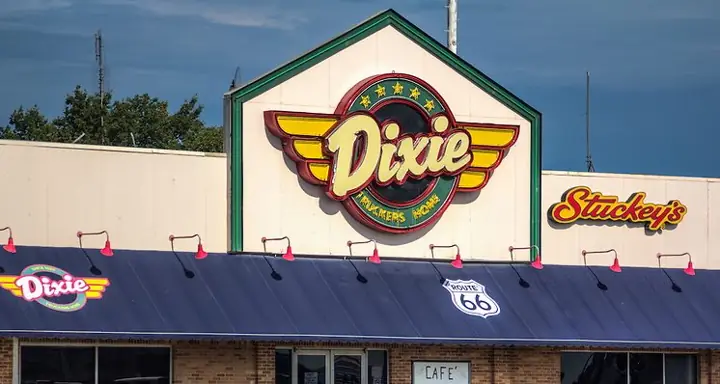
Classic Route 66 truck stop since 1928, serving travelers with fuel, food, and hospitality for nearly a century.
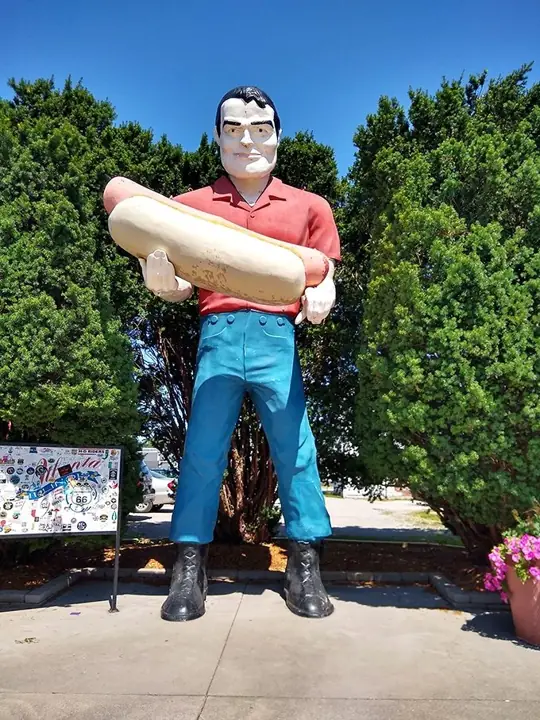
Another fiberglass Muffler Man holding a hot dog, standing guard over this small Illinois town.
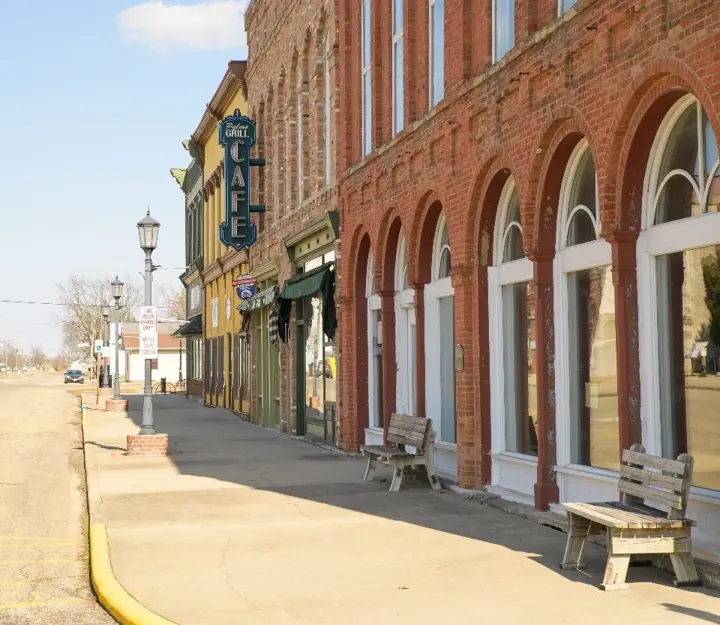
1930s diner experience serving classic American comfort food in an authentic vintage setting.
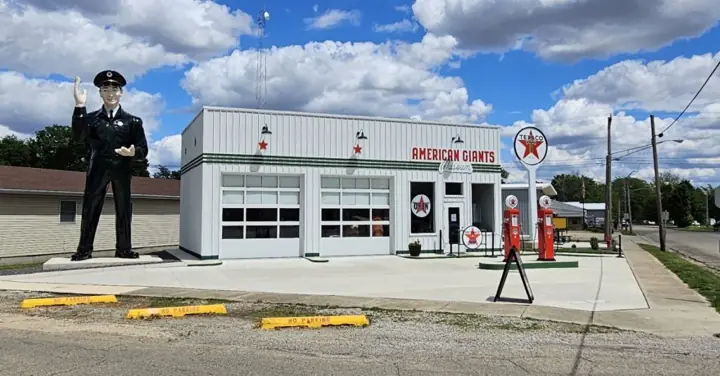
The American Giants Museum is a museum dedicated to preserving the history of Muffler Men, those towering fiberglass giants that became iconic fixtures along American highways.
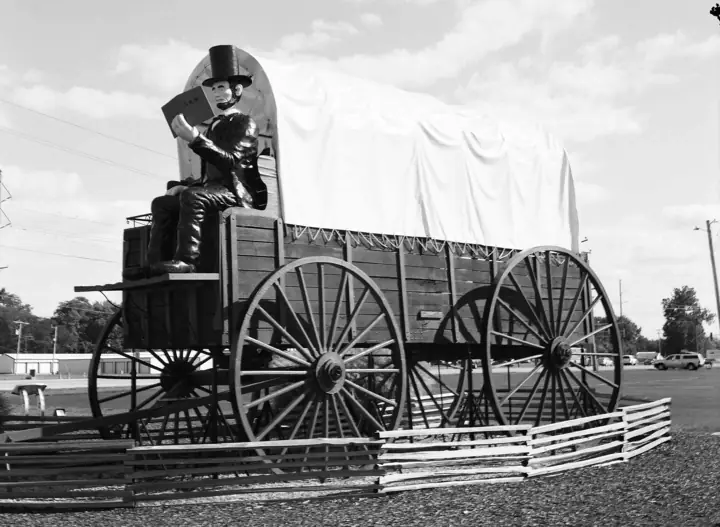
Abraham Lincoln statue driving it, commemorating the town named after Lincoln before his presidency.
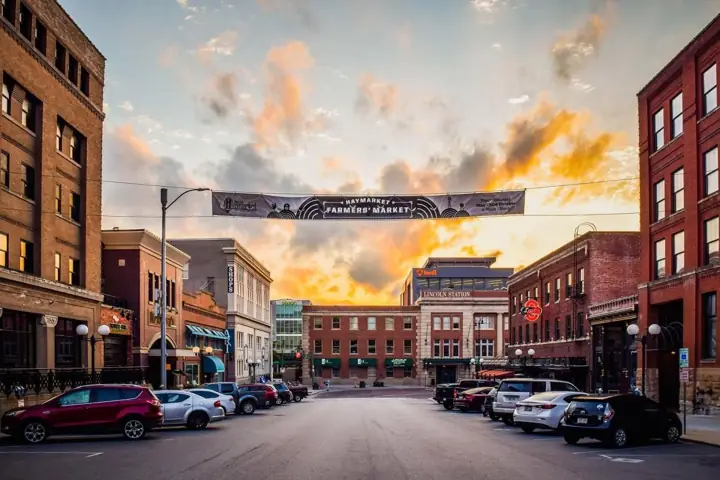
Named after Abraham Lincoln before presidency, featuring historic buildings and Lincoln-related sites.
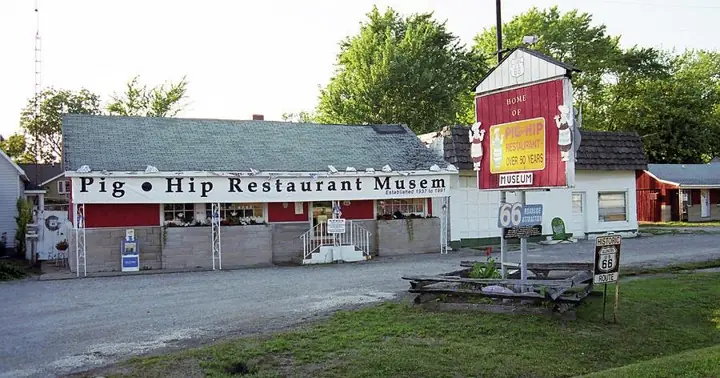
Historic sign and marker where the famous restaurant once stood (burned down in 2007), preserving its memory.
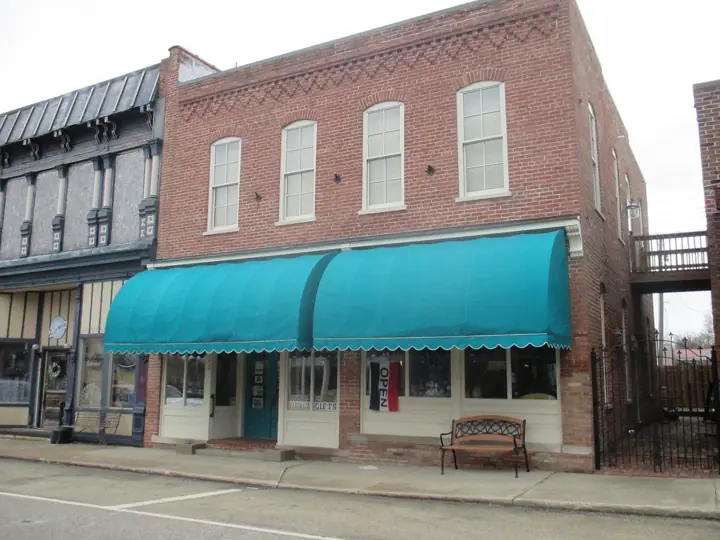
Gift shop with Route 66 items, antiques, and local crafts celebrating rural Illinois heritage.
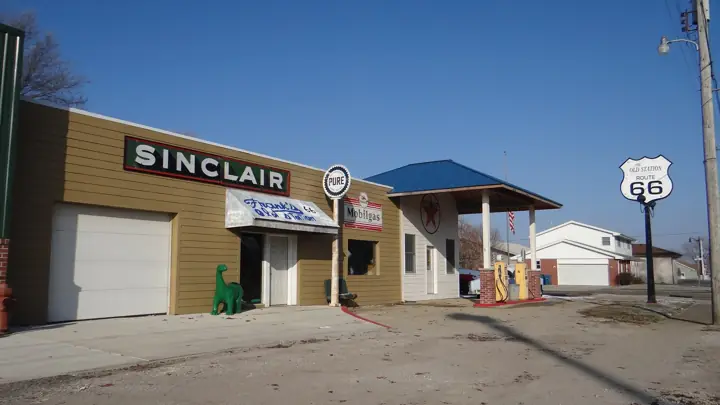
Small town nostalgia with preserved Route 66 signage and vintage storefronts.
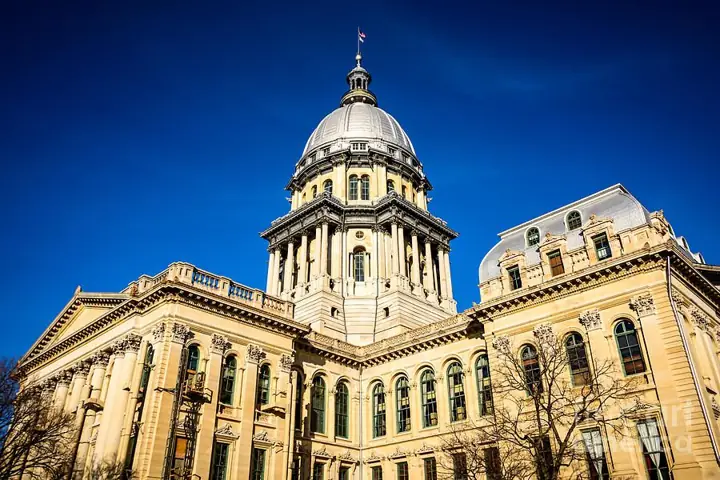
Towering dome and legislative center, showcasing Illinois government and architecture.
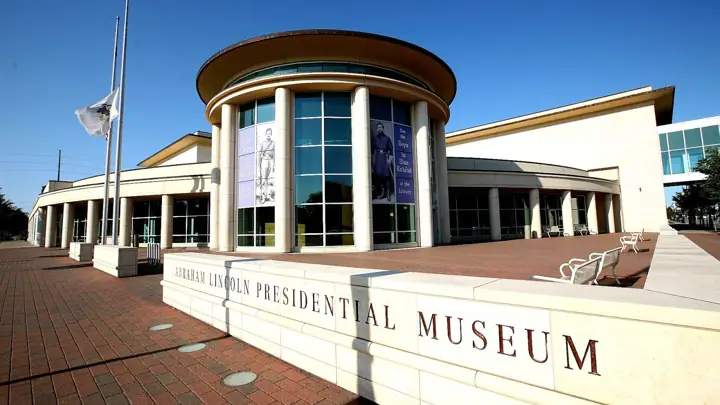
Award-winning interactive exhibits exploring Lincoln's life, presidency, and legacy.
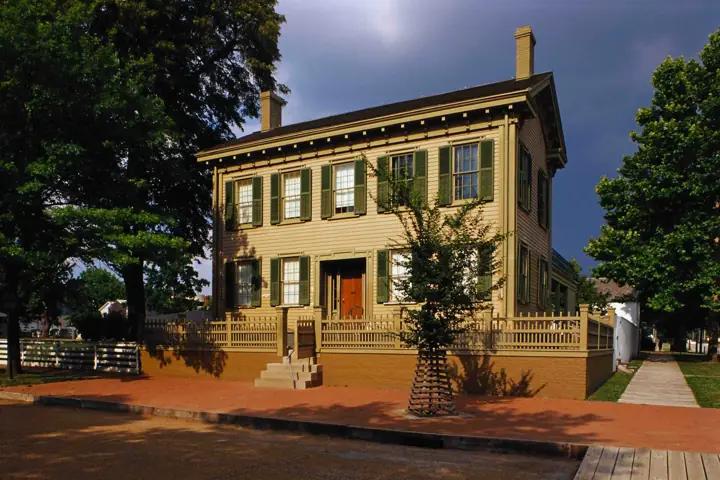
Preserved neighborhood and home where Abraham Lincoln lived before becoming president.
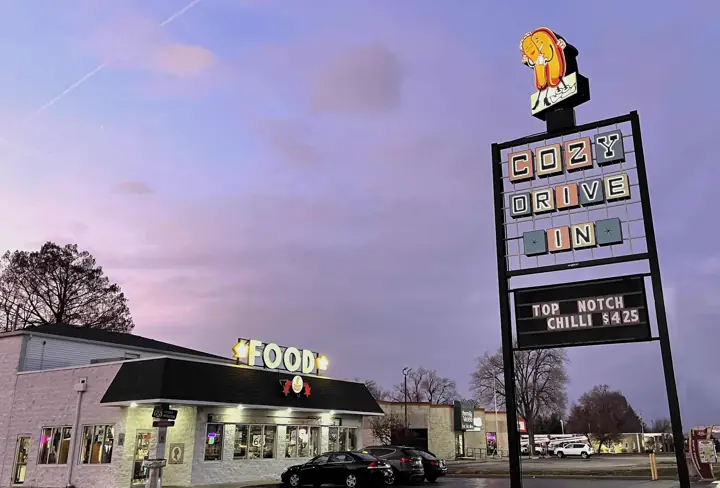
Home of the original corn dog on a stick, invented here in 1946 and a true Route 66 culinary landmark.
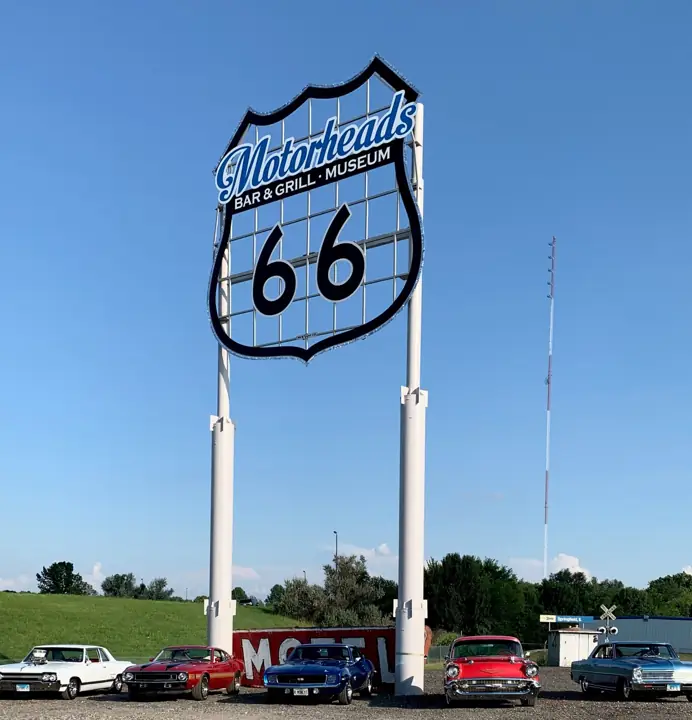
Full of memorabilia and classic cars, offering dining and Route 66 history under one roof.
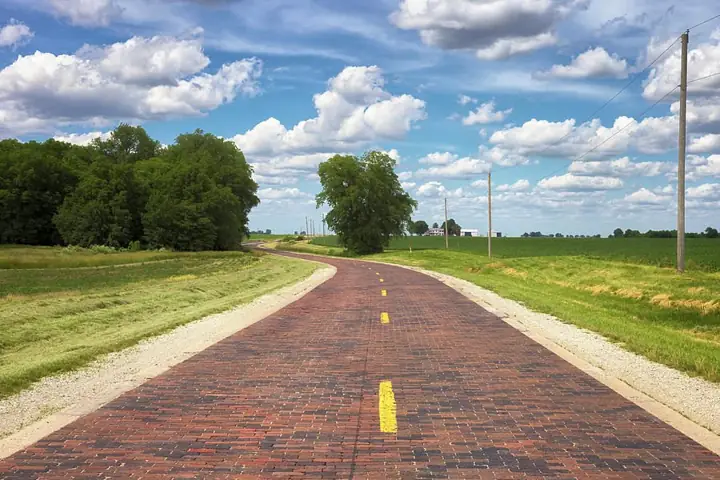
A surviving stretch of 1920s brick Route 66, offering a tactile connection to the highway's early construction.
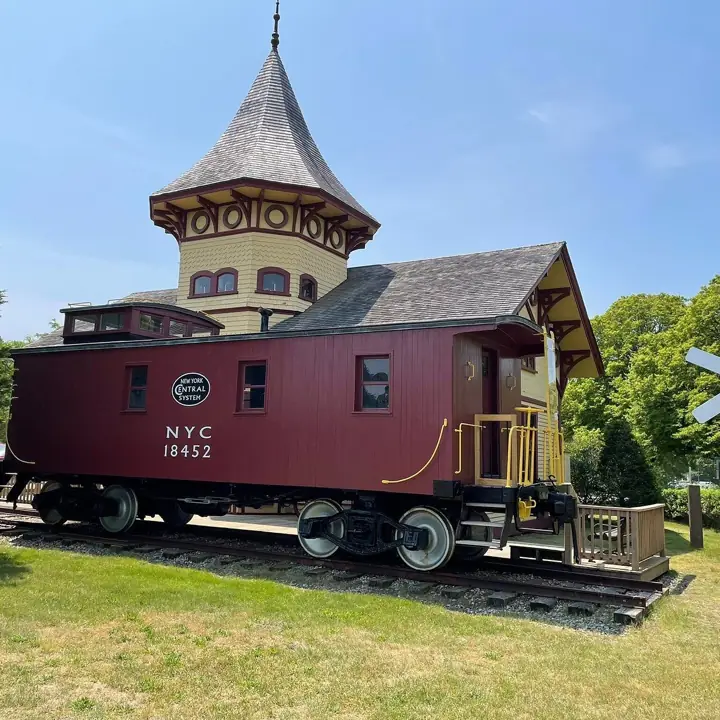
Local railroad history museum in Chatham's old train depot; opening hours are limited, so check before visiting.
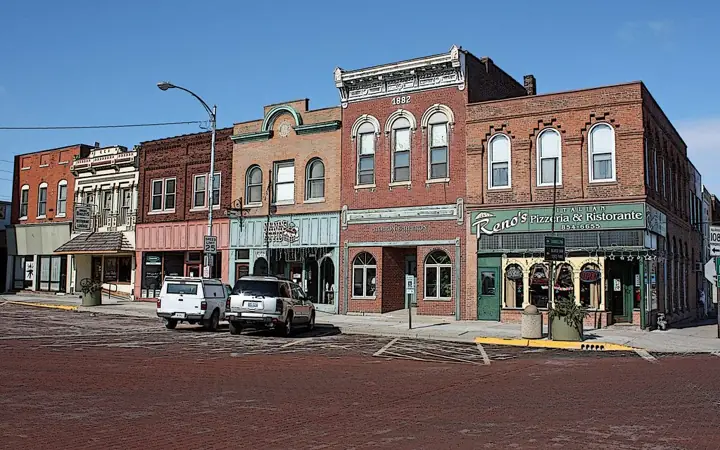
Charming town square and Sears Home district featuring well-preserved 19th and early 20th-century architecture.
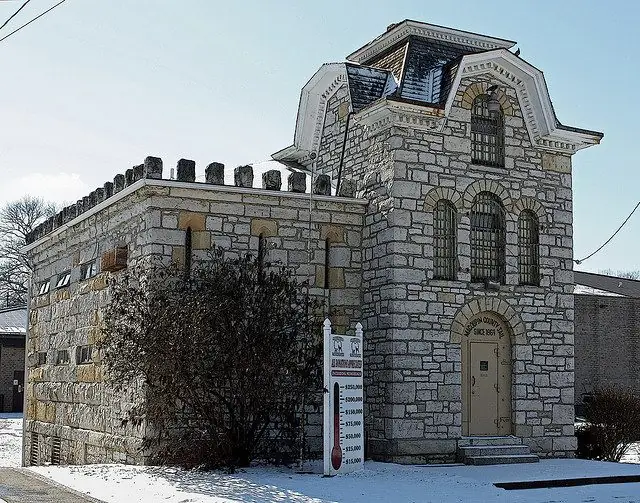
1869 county jail by courthouse architect Elijah Myers, with surplus Civil War cannonballs set between its stones; exterior viewing only.
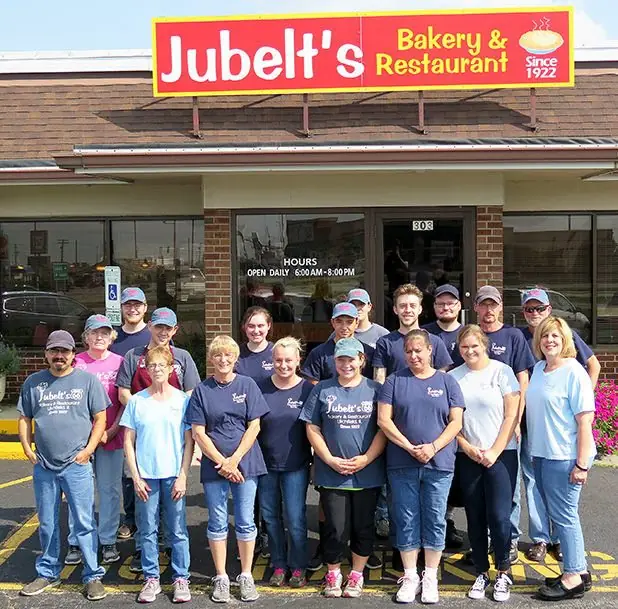
Jubelt's is a Route 66 favorite, popular with travelers seeking a nostalgic, mom-and-pop food experience.
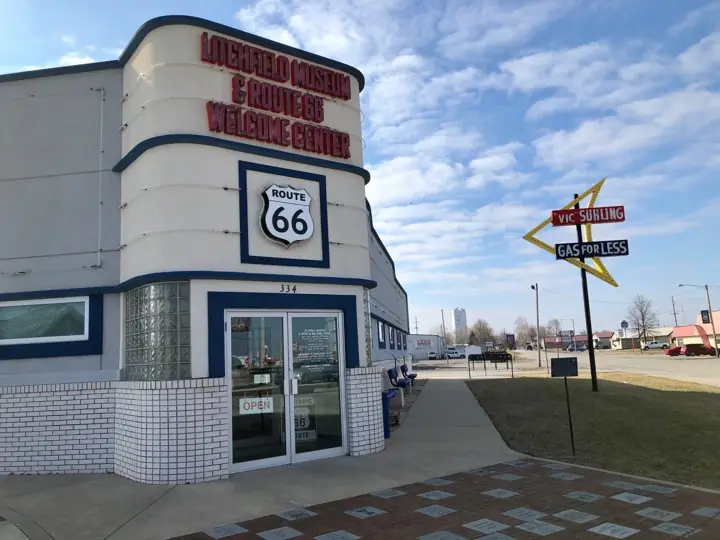
Well-curated local museum with Route 66 exhibits, maps, and visitor information.
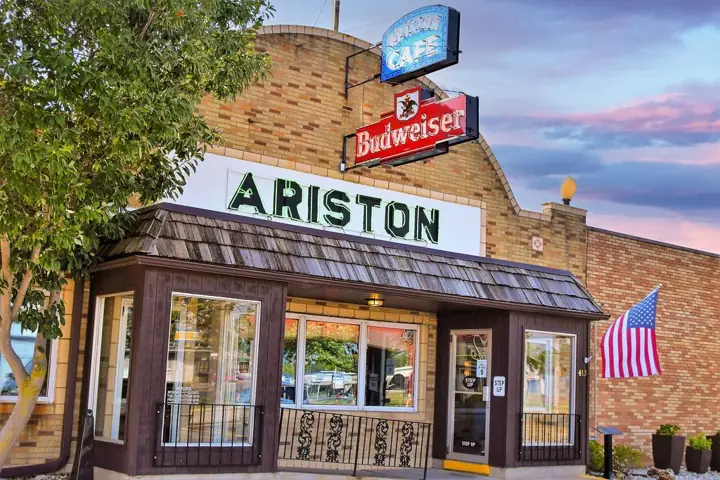
One of the oldest Route 66 restaurants (since 1924), serving traditional American fare to four generations of travelers.
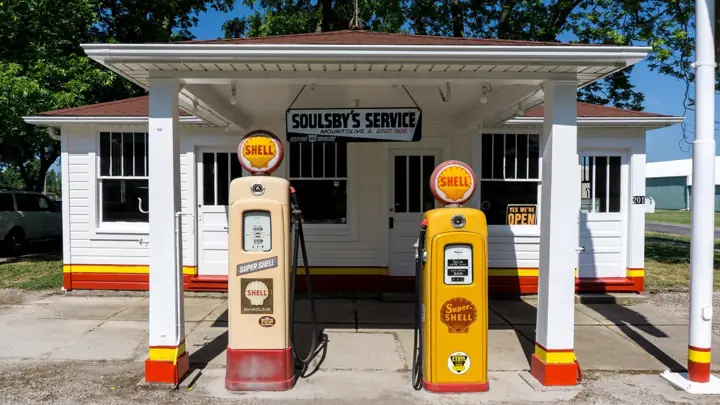
1926 station, beautifully restored as one of the oldest surviving gas stations on Route 66.
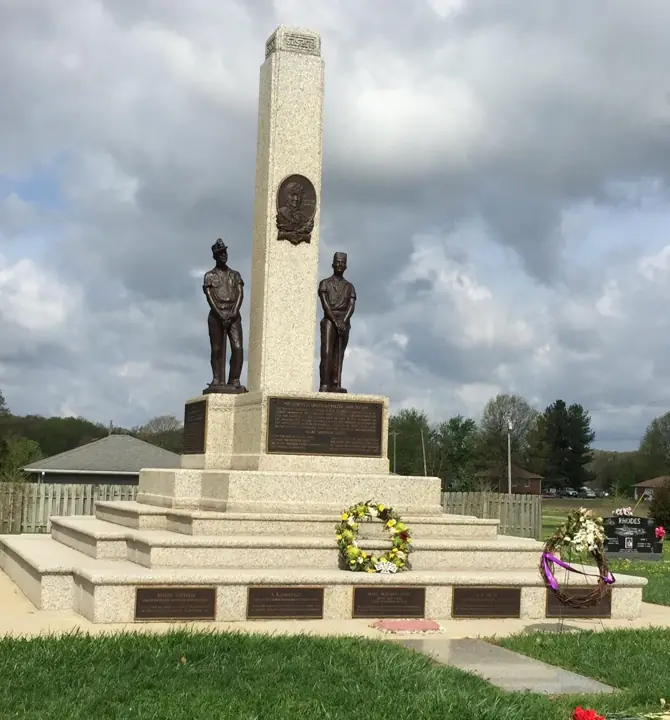
Includes grave of labor martyr Mary Harris "Mother" Jones, honoring the area's coal mining heritage.
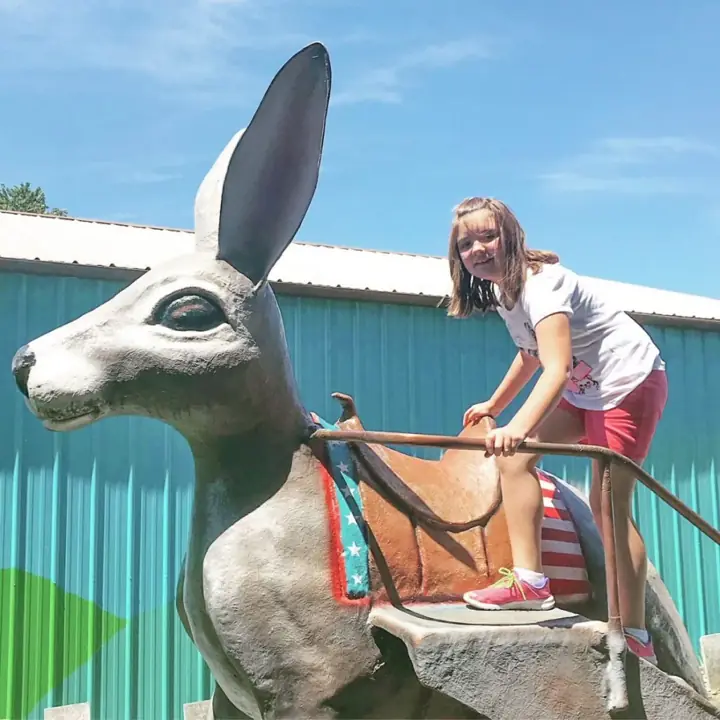
Homage to Route 66 and Volkswagen Rabbits, with real rabbits and quirky automotive memorabilia.
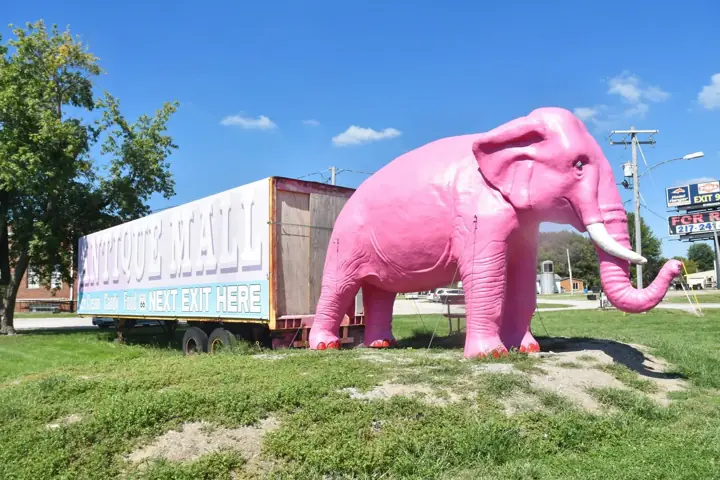
The Pink Elephant Antique Mall is a quirky and beloved Route 66 roadside attraction with 50 antique vendors inside a former high school.
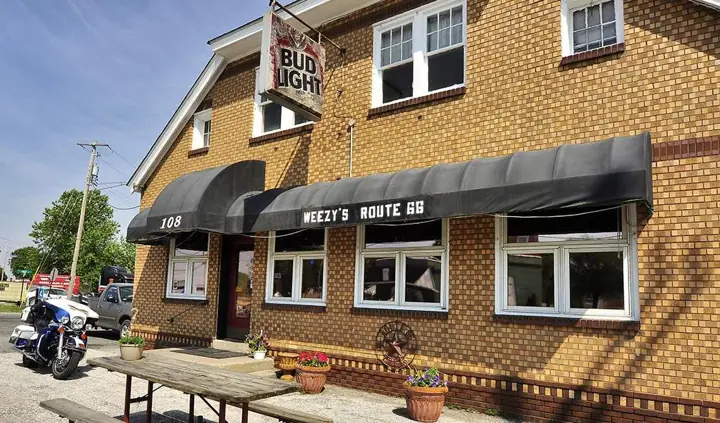
Roadside eatery in a building that opened as the Tourist Haven restaurant in 1938, still serving Route 66 travelers.
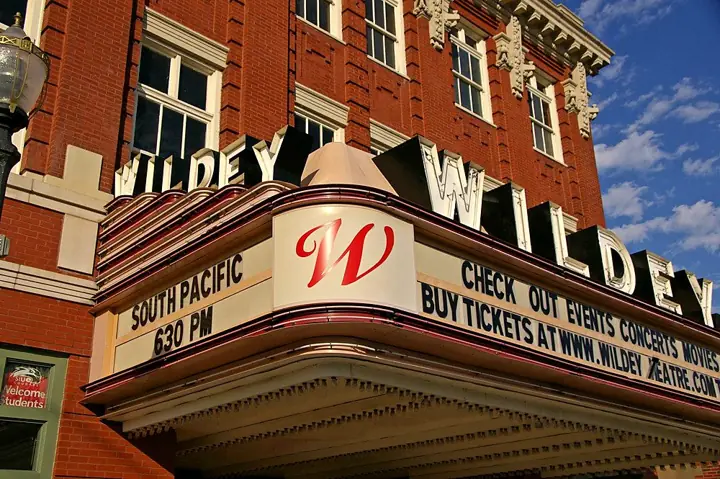
1909 restored vaudeville house presenting live performances in a beautifully preserved historic venue.
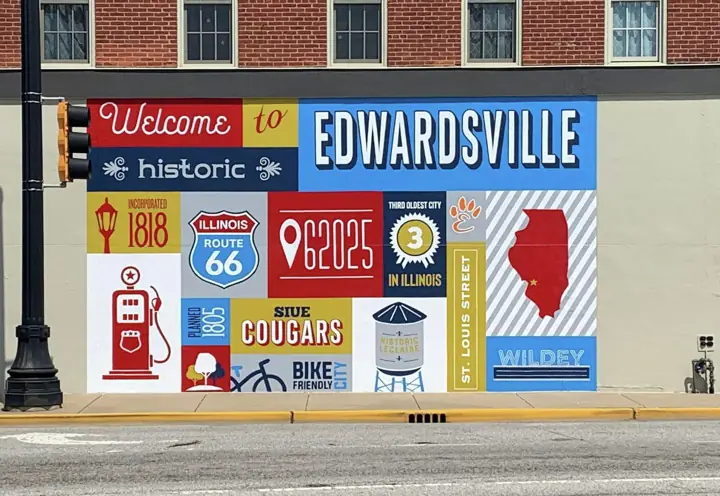
Outdoor public art celebrating the highway's impact on the community and American culture.
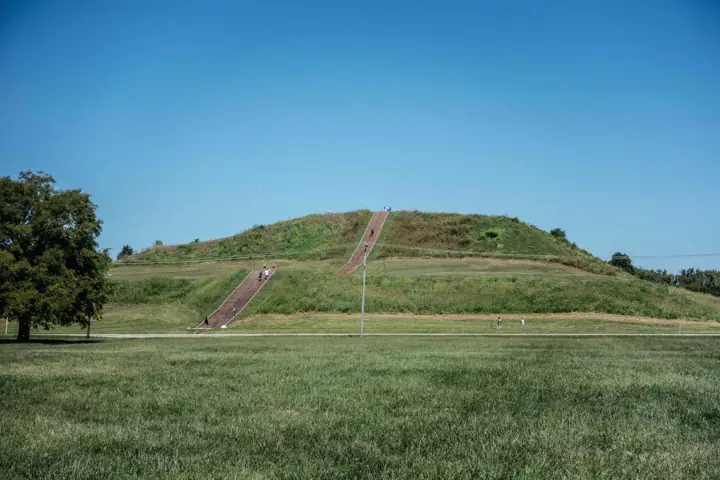
Ancient Native American city, UNESCO World Heritage Site showcasing pre-Columbian civilization.
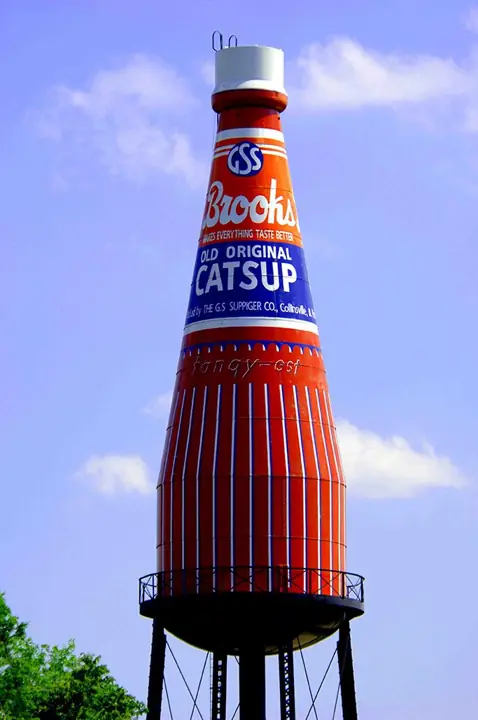
170-ft tall water tower shaped like a ketchup bottle, an iconic roadside landmark since 1949.
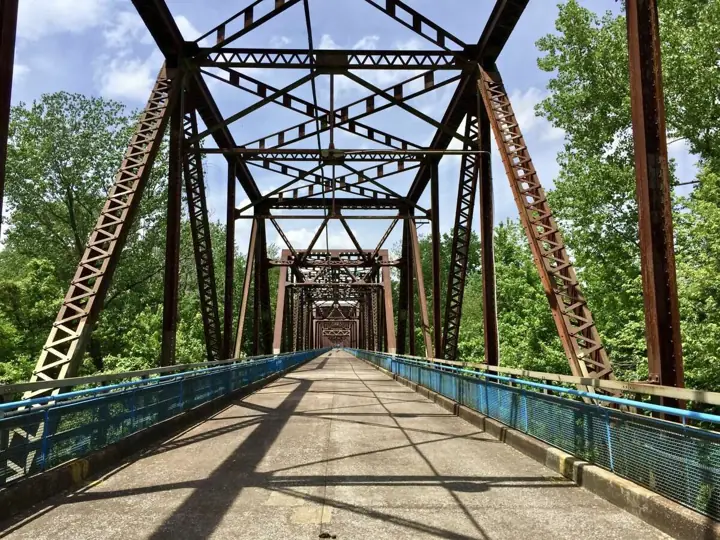
Old Route 66 bridge over the Mississippi with a 30-degree bend mid-river, now a pedestrian walkway with wide river views.
Itineraries, roadside gems, and site updates — no spam.