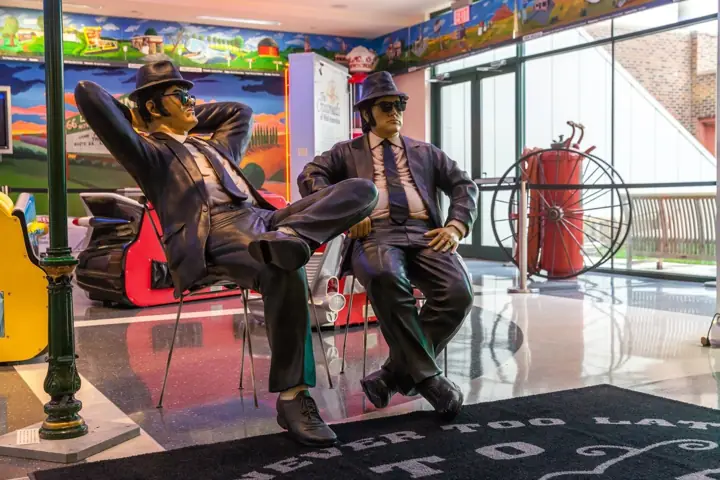
Great starting point with exhibits, maps, and information about Route 66 history and attractions.
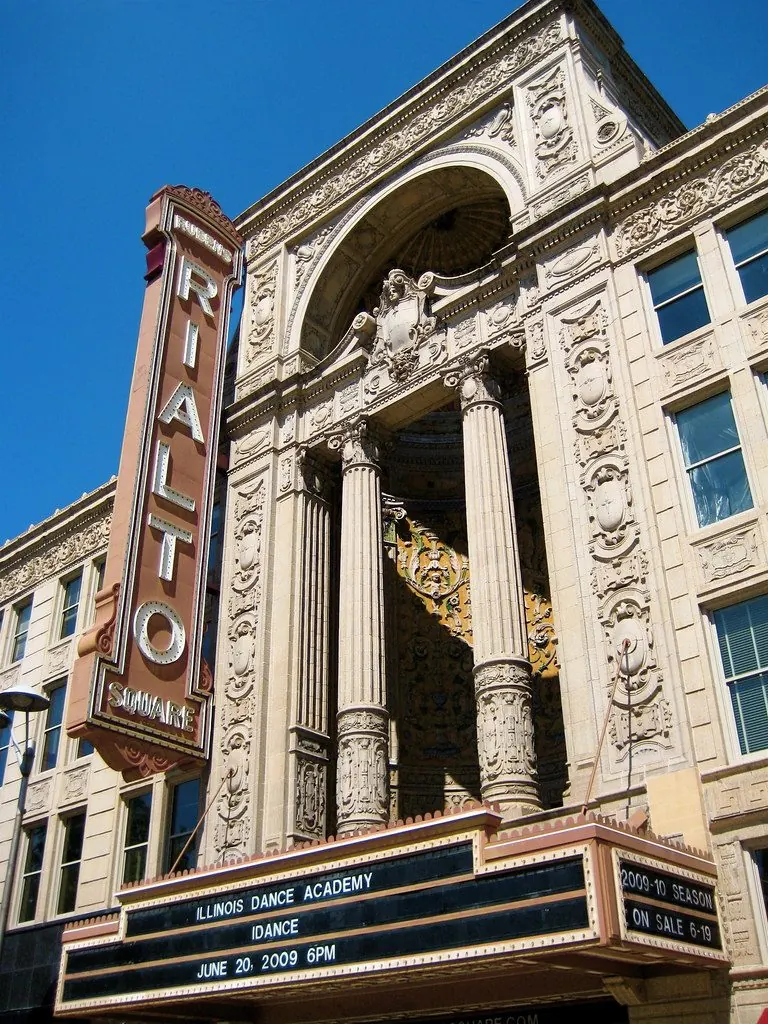
1920s opulent movie palace known as the "Jewel of Joliet," featuring stunning architecture and live performances.
The Rialto opened on May 24, 1926, the same year Route 66 was commissioned, as a vaudeville and movie palace in the middle of downtown Joliet. It was designed by the Chicago theater architects C.W. and George Rapp in a lavish Neo-Baroque style, with marble, scagliola and a domed rotunda. A four-manual Barton theatre organ was part of the original plan and is still in place. The building was added to the National Register of Historic Places in 1978 and underwent a major restoration beginning in 1980. It marks its centennial in 2026 and remains a working performance hall.
From the street you'll see the theater's marquee on Chicago Street. Inside, the lobby leads to a rotunda dominated by a huge chandelier known as the Duchess, and then to the richly decorated auditorium with its marble and scagliola walls. Today the stage hosts concerts, musicals, plays and comedy. The interior is open during performances and on scheduled tours.
Hours, prices and access change. Confirm with the venue before you go. Details last checked October 2026. More Route 66 stops in Joliet, IL.
From people who've been.
The stops on either side of this one, in driving order from Chicago to Santa Monica.
Great starting point with exhibits, maps, and information about Route 66 history and attractions.
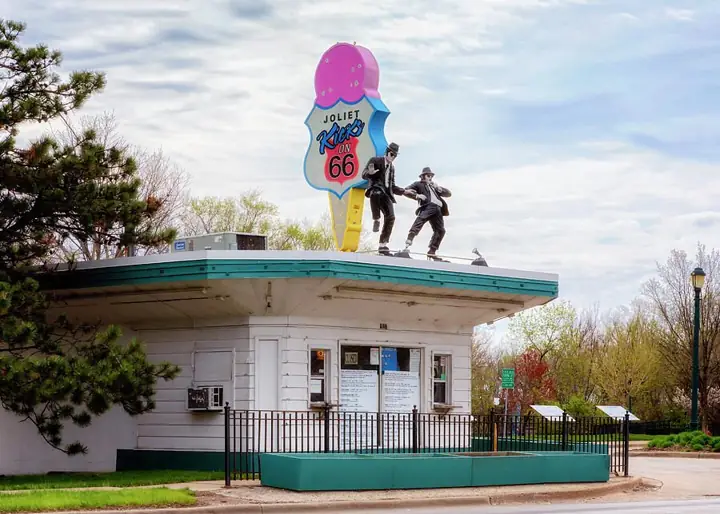
Retro ice cream stand with Blues Brothers statues on the roof, celebrating Joliet's movie fame.
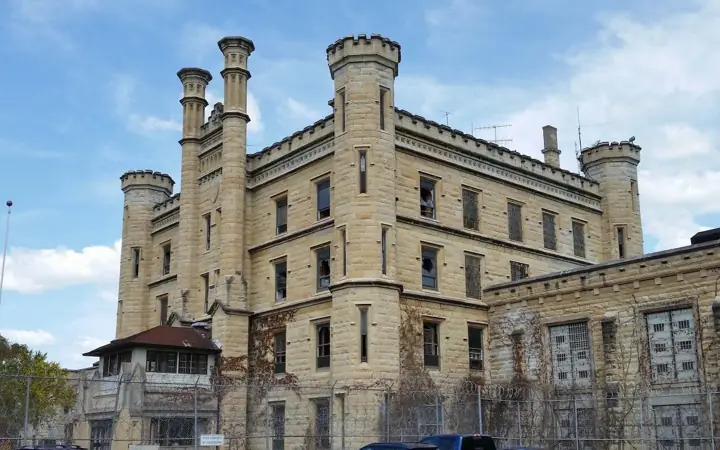
Historic prison featured in The Blues Brothers and other films, offering guided tours of this imposing limestone fortress.
Itineraries, roadside gems, and site updates — no spam.