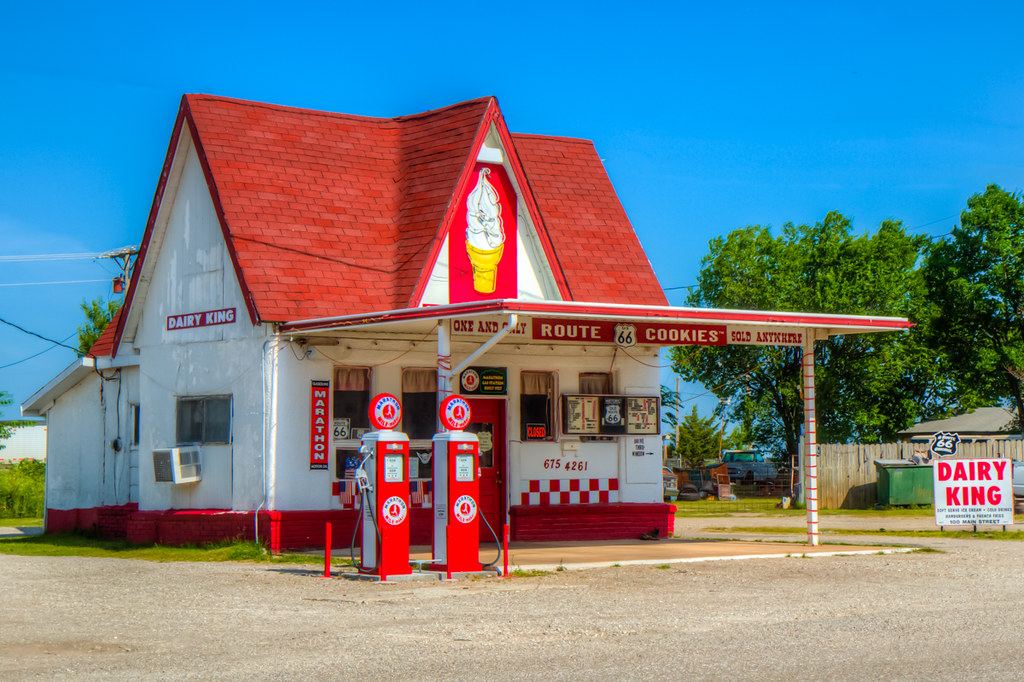
1927 cottage-style station turned into a diner, serving classic American comfort food with vintage charm.
The state with the longest driveable stretch of Route 66, full of authentic roadside culture.
1927 cottage-style station turned into a diner, serving classic American comfort food with vintage charm.
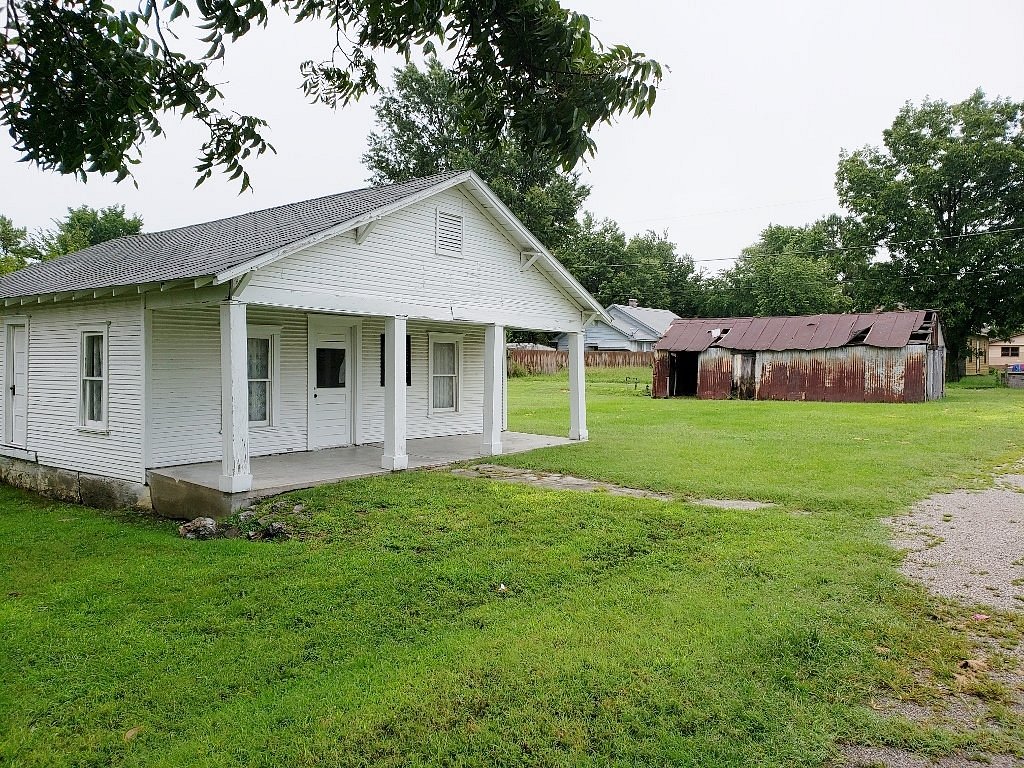
Birthplace of the baseball legend, now a museum celebrating the life of the Yankees Hall of Famer.
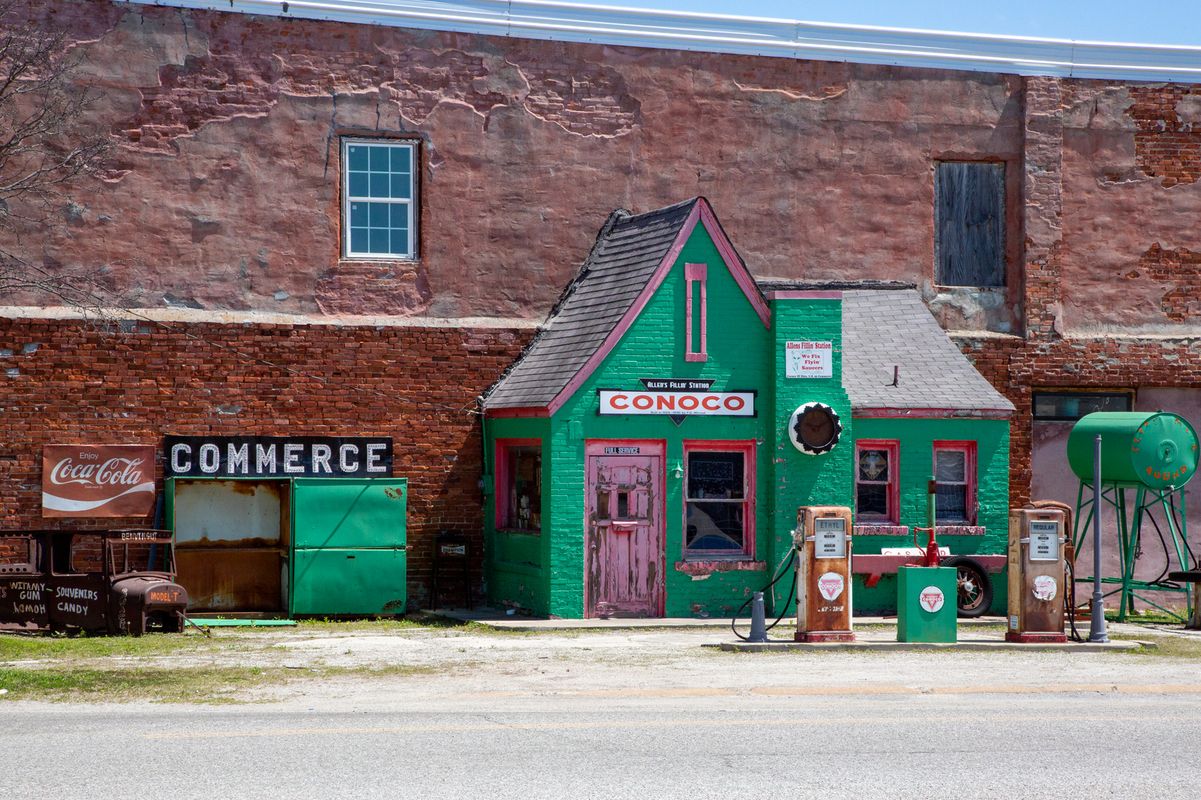
Photogenic Route 66 stop with vintage architecture and classic roadside appeal.
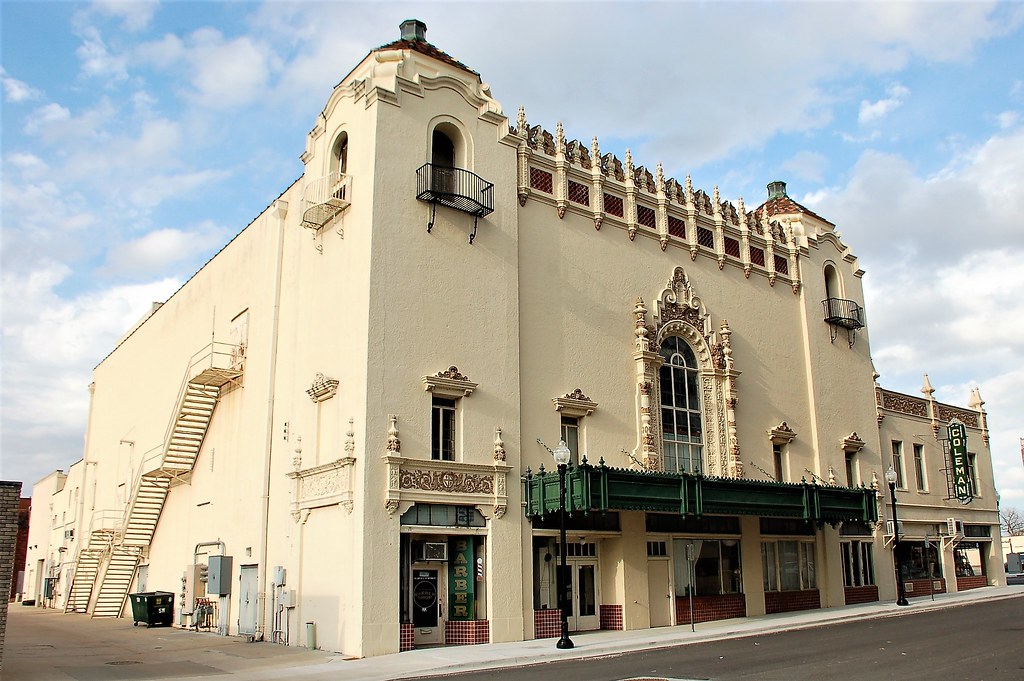
Lavish 1929 vaudeville palace, still active with live performances in a beautifully restored venue.
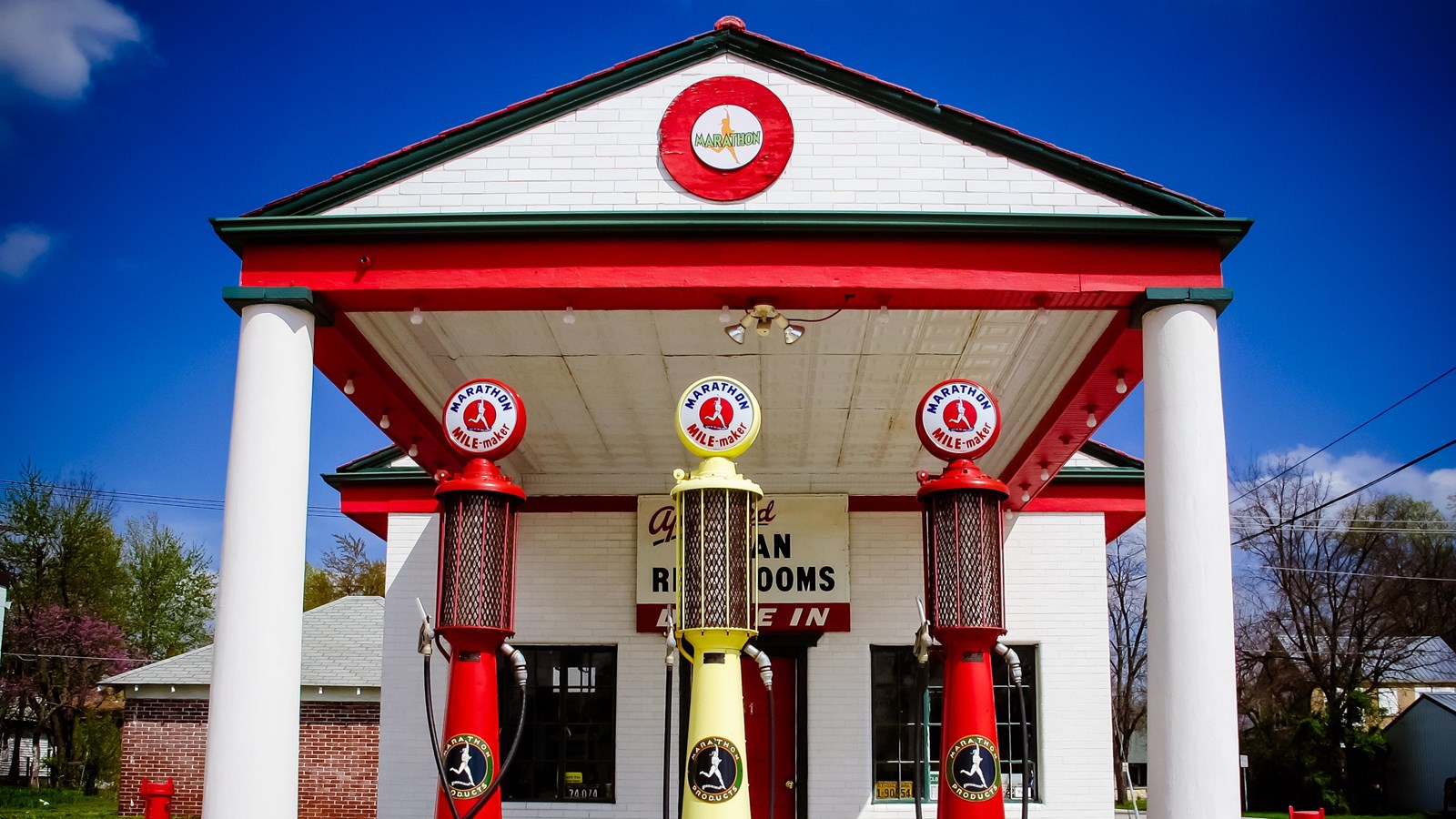
Originally a Transcontinental Oil service station opened in 1929, visit "a Greek temple with motor oil on the floor."
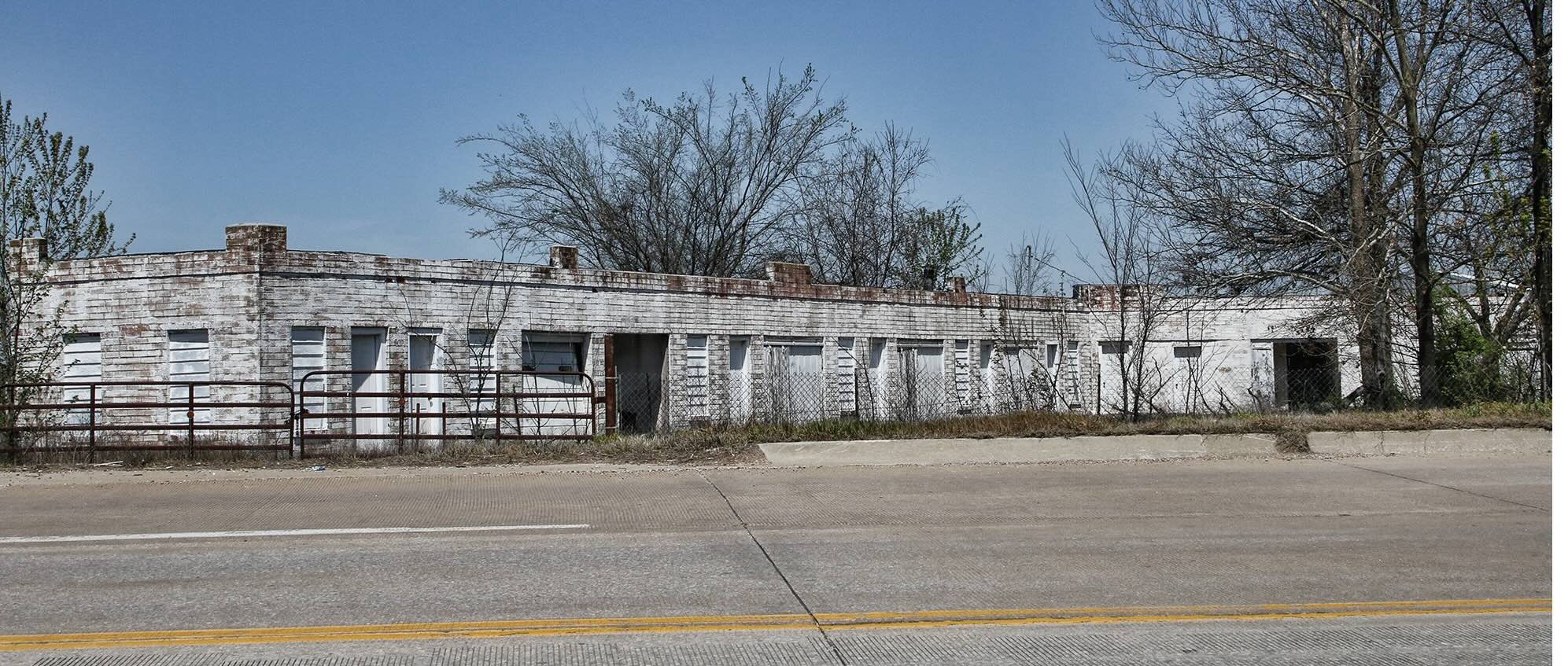
Retro feel of the "Gateway to Oklahoma" with classic neon signs and vintage motor courts.
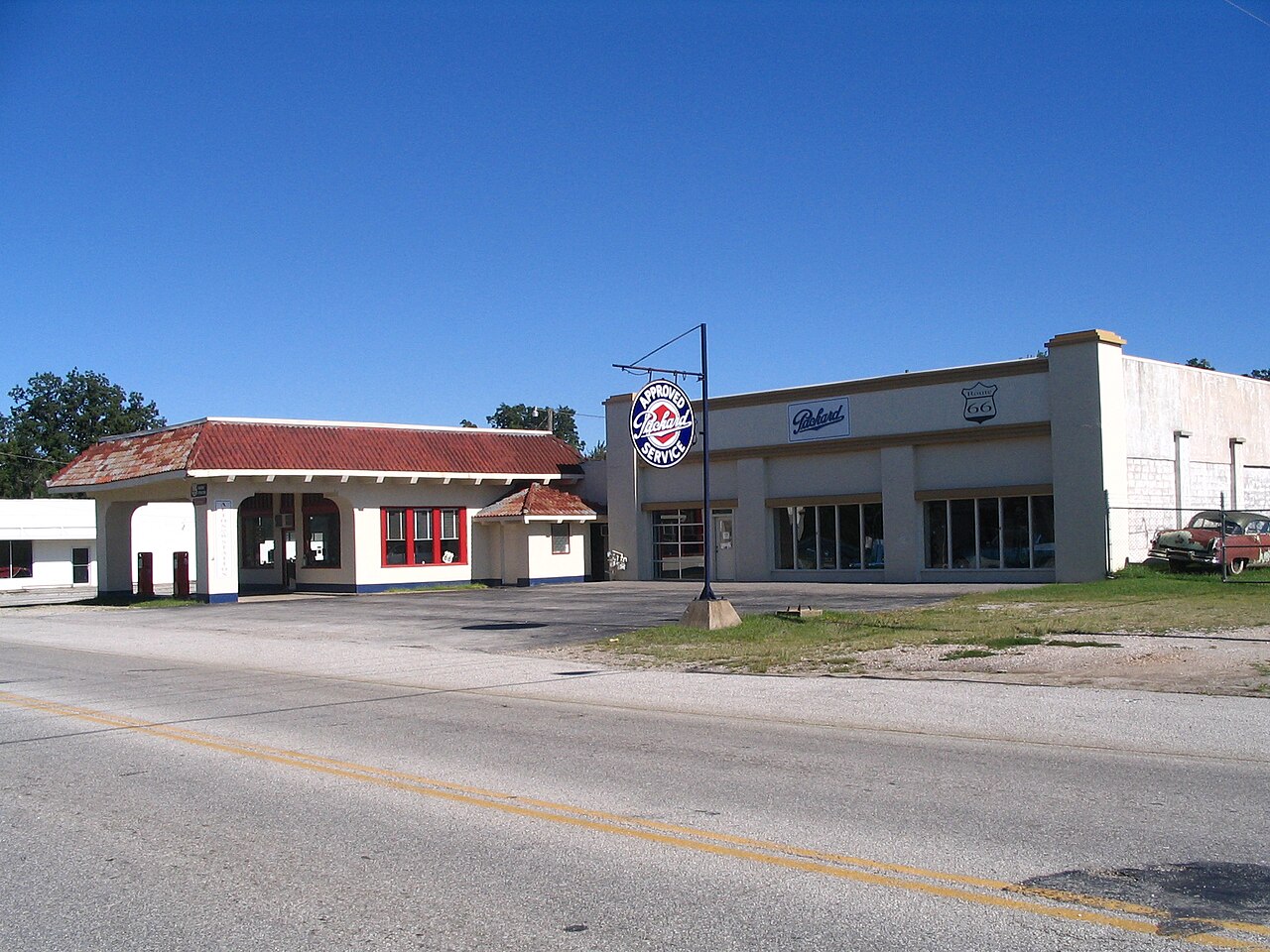
Abandoned service station that used to house a classic car museum.
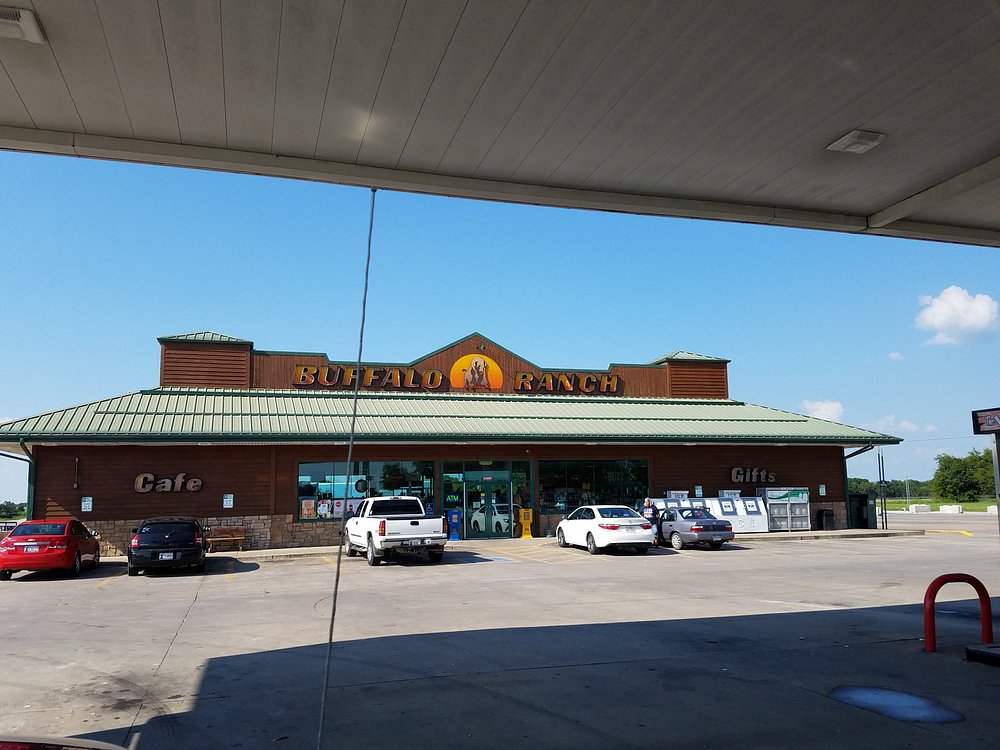
Large roadside souvenir stop with fiberglass buffalo and animals, a classic Route 66 tourist attraction.
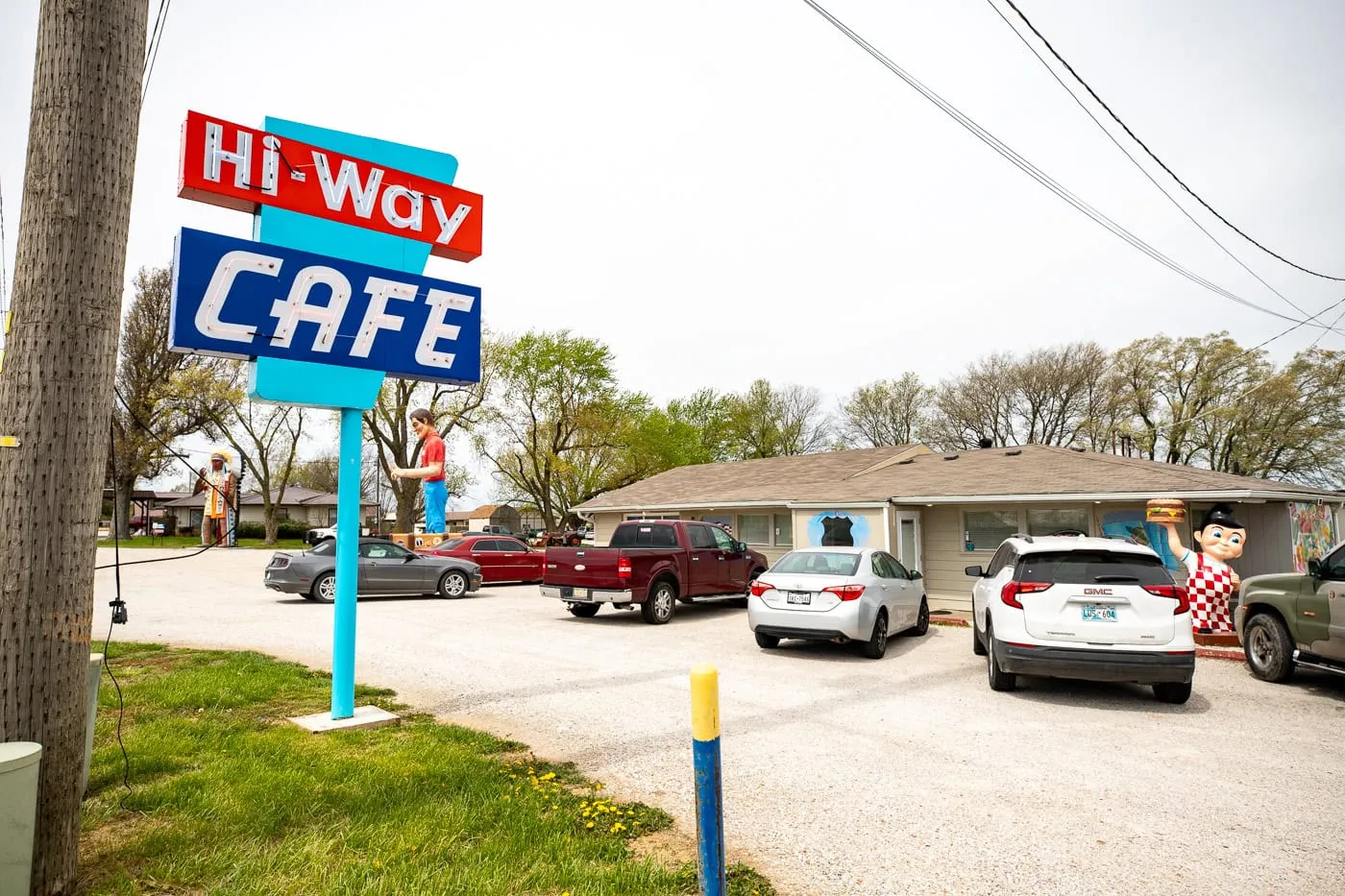
Featuring a number of giants, this classic American diner on Route 66 has a tasty menu and a great atmosphere.
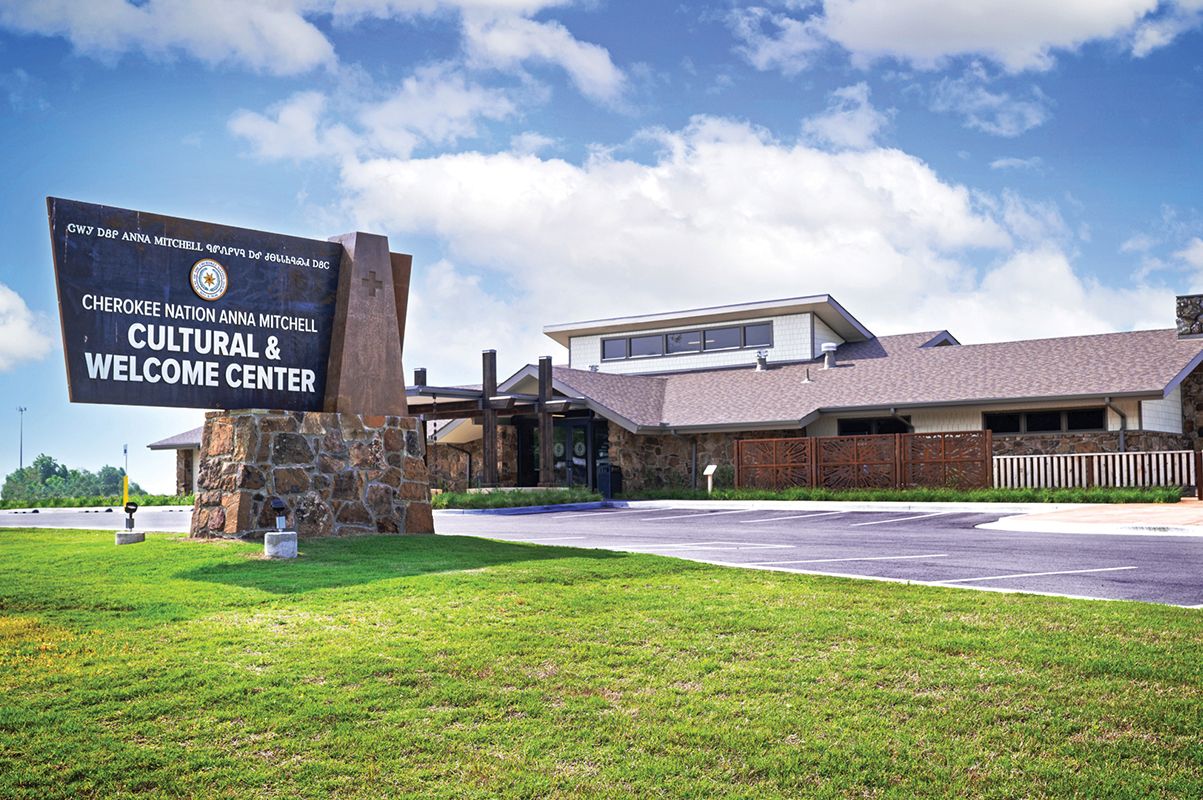
Cultural exhibits and visitor info showcasing Cherokee heritage and history in northeastern Oklahoma.
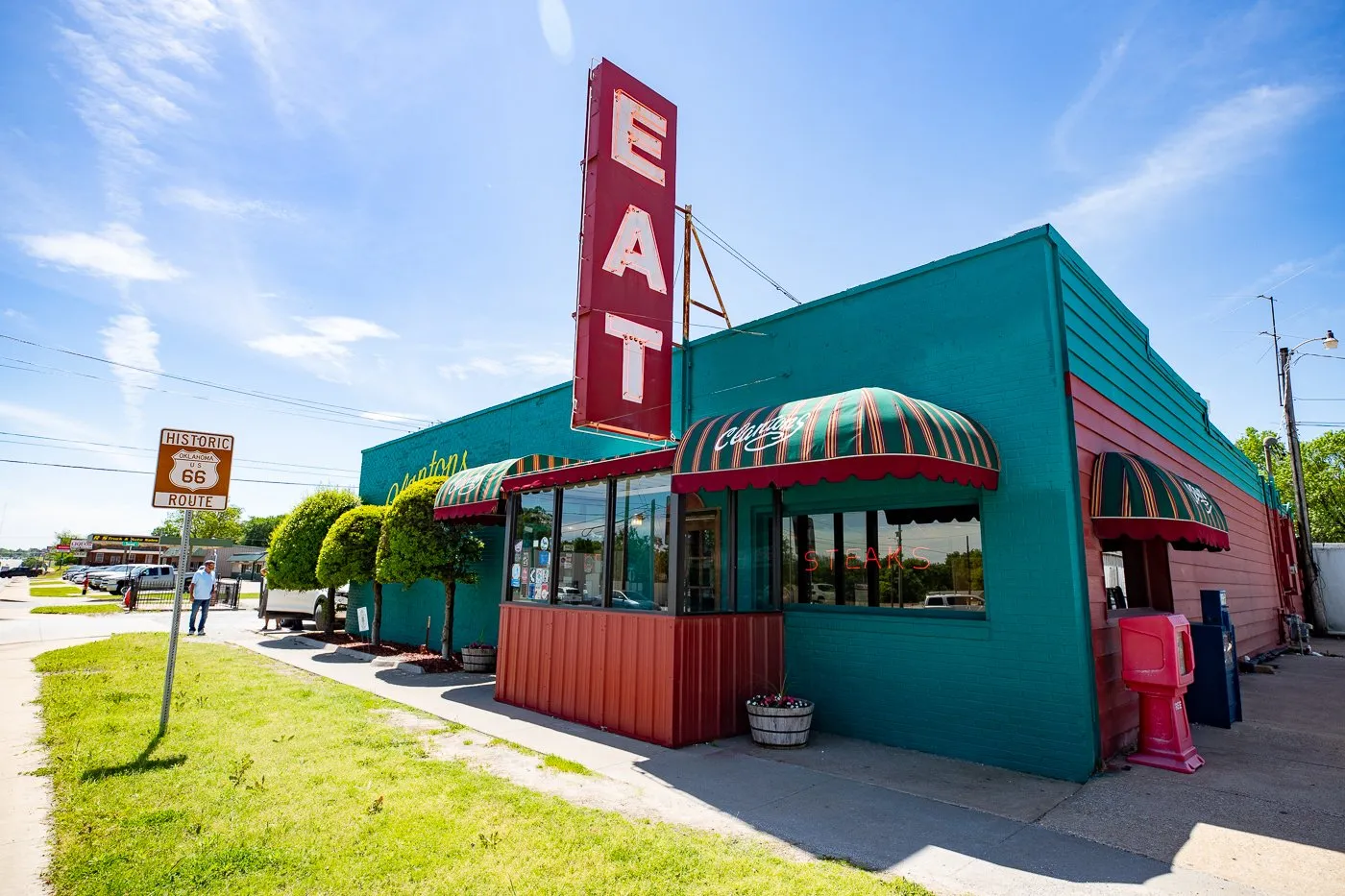
Open since 1927, one of the oldest restaurants on Route 66, serving traditional American fare.
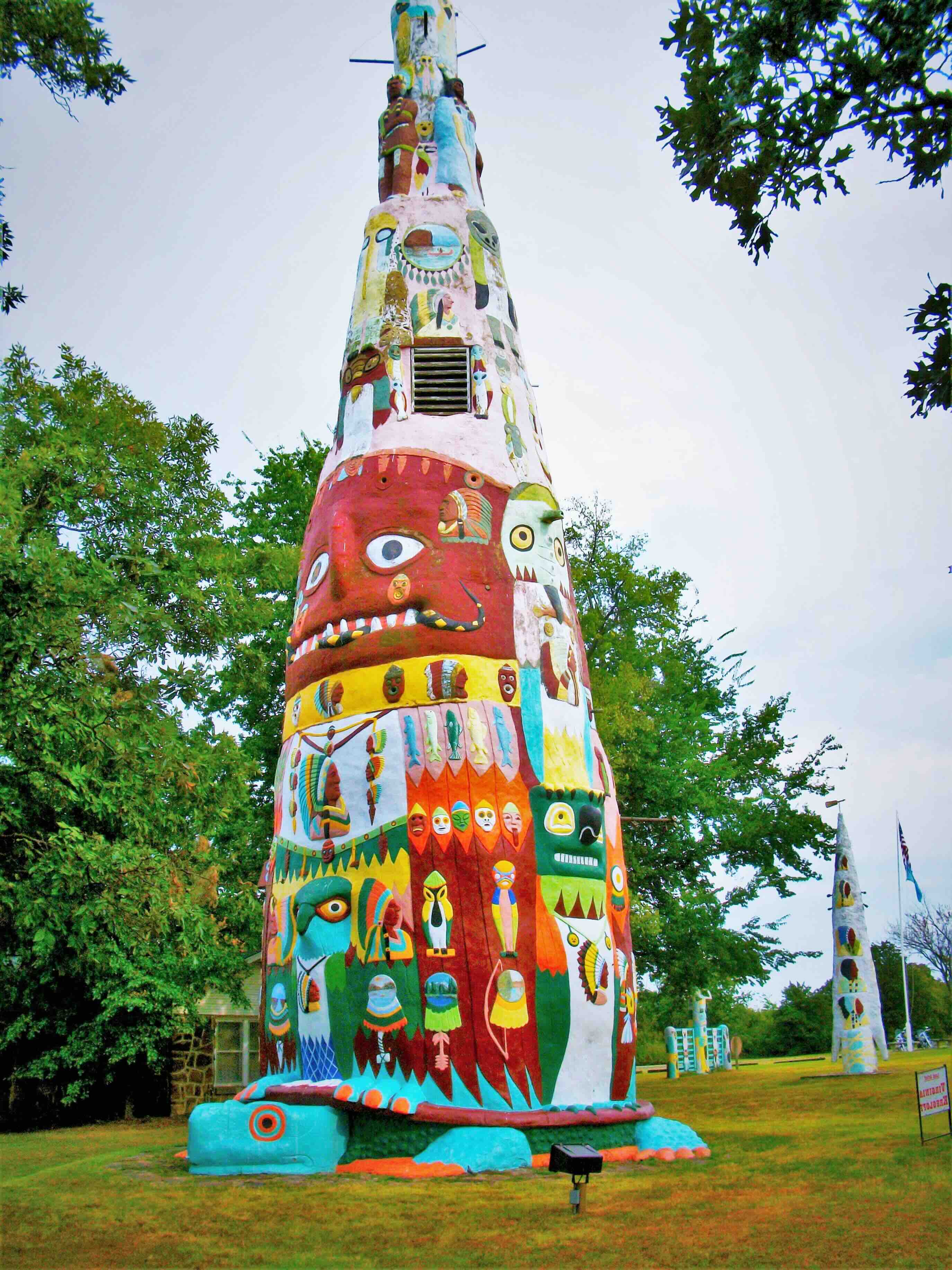
Features the world's largest concrete totem pole, built by Ed Galloway, a unique folk art masterpiece.
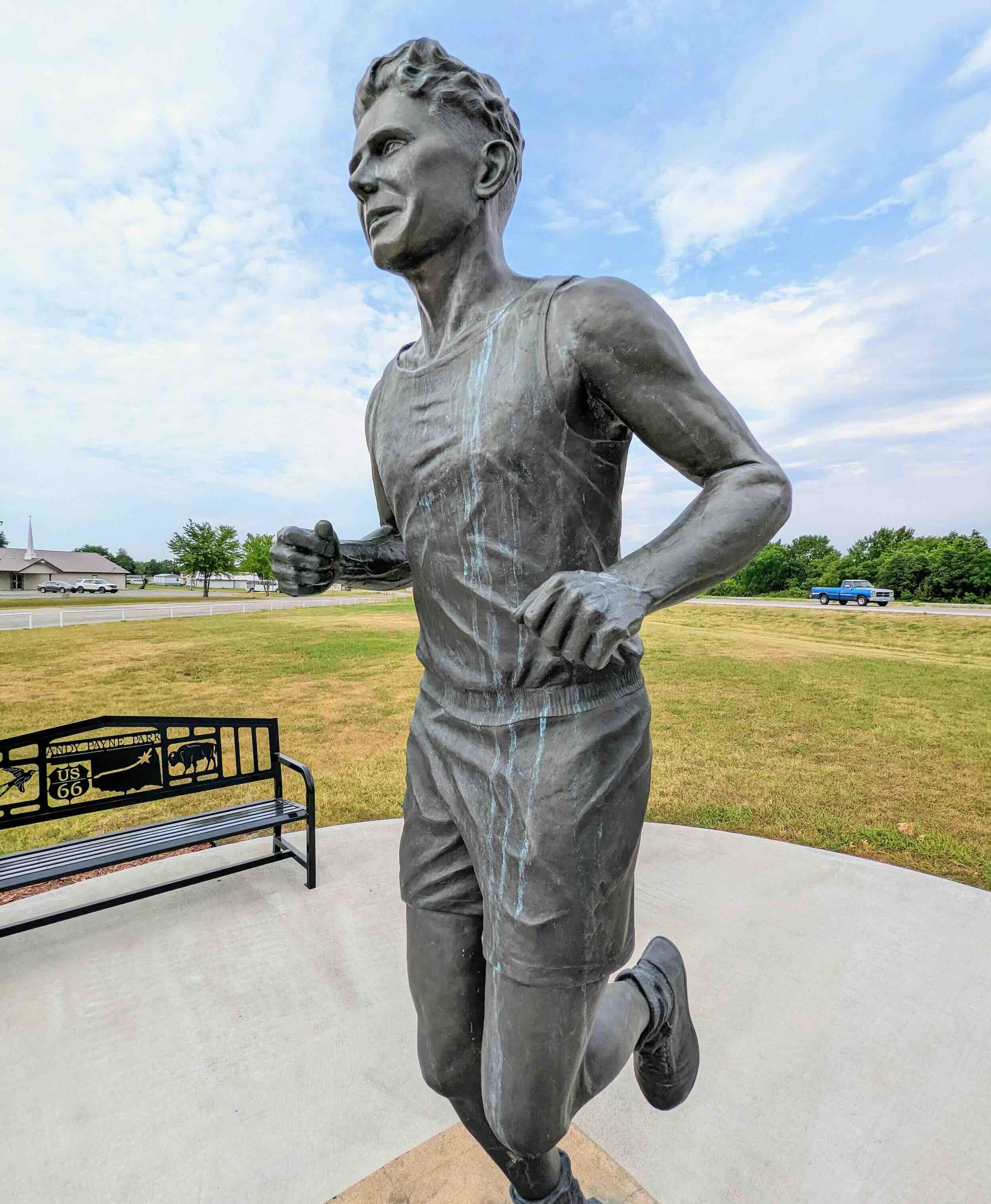
Commemorates the 1928 transcontinental footrace winner, celebrating this remarkable athletic achievement.
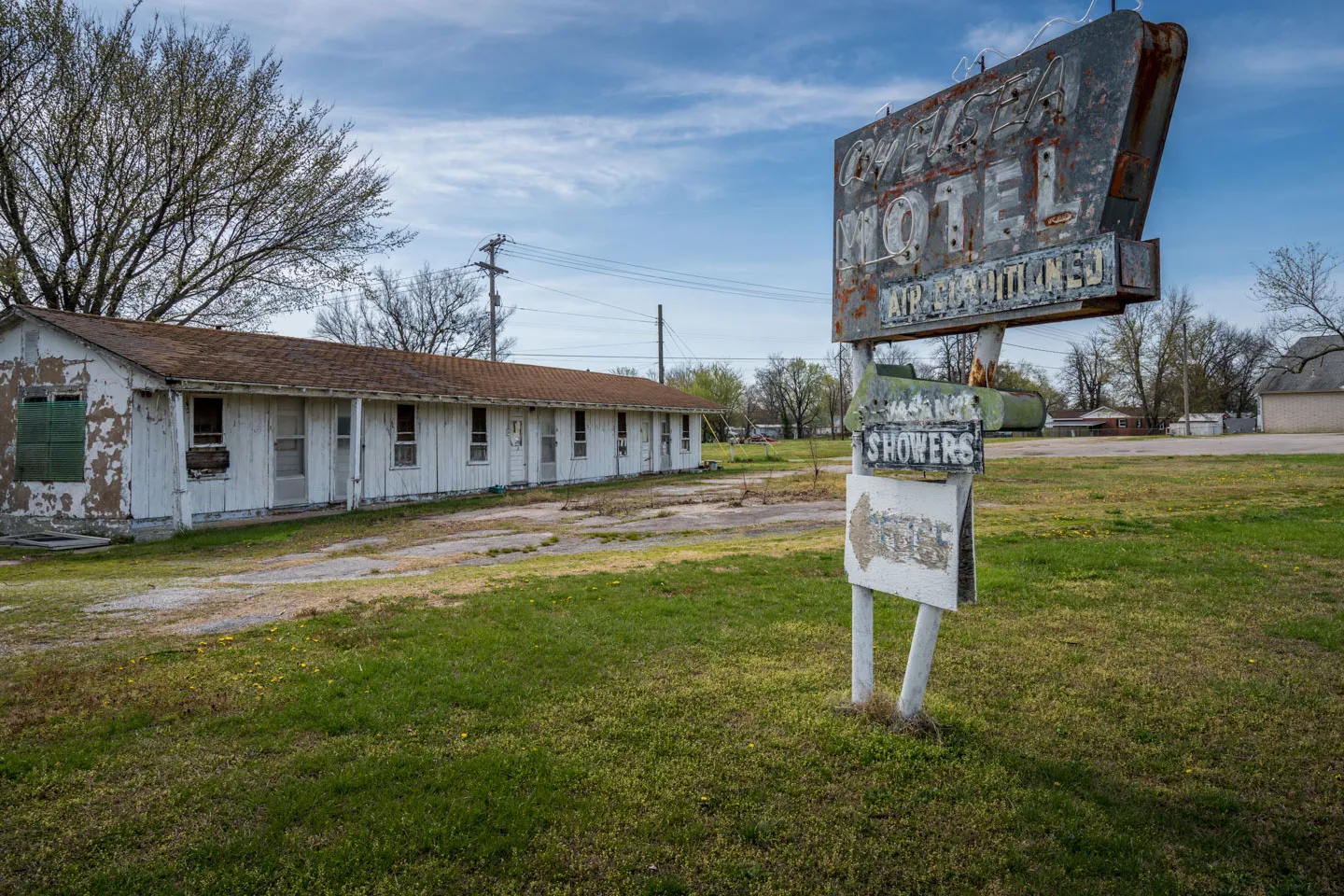
Remnants of Route 66's golden age, offering a glimpse into the highway's storied past.
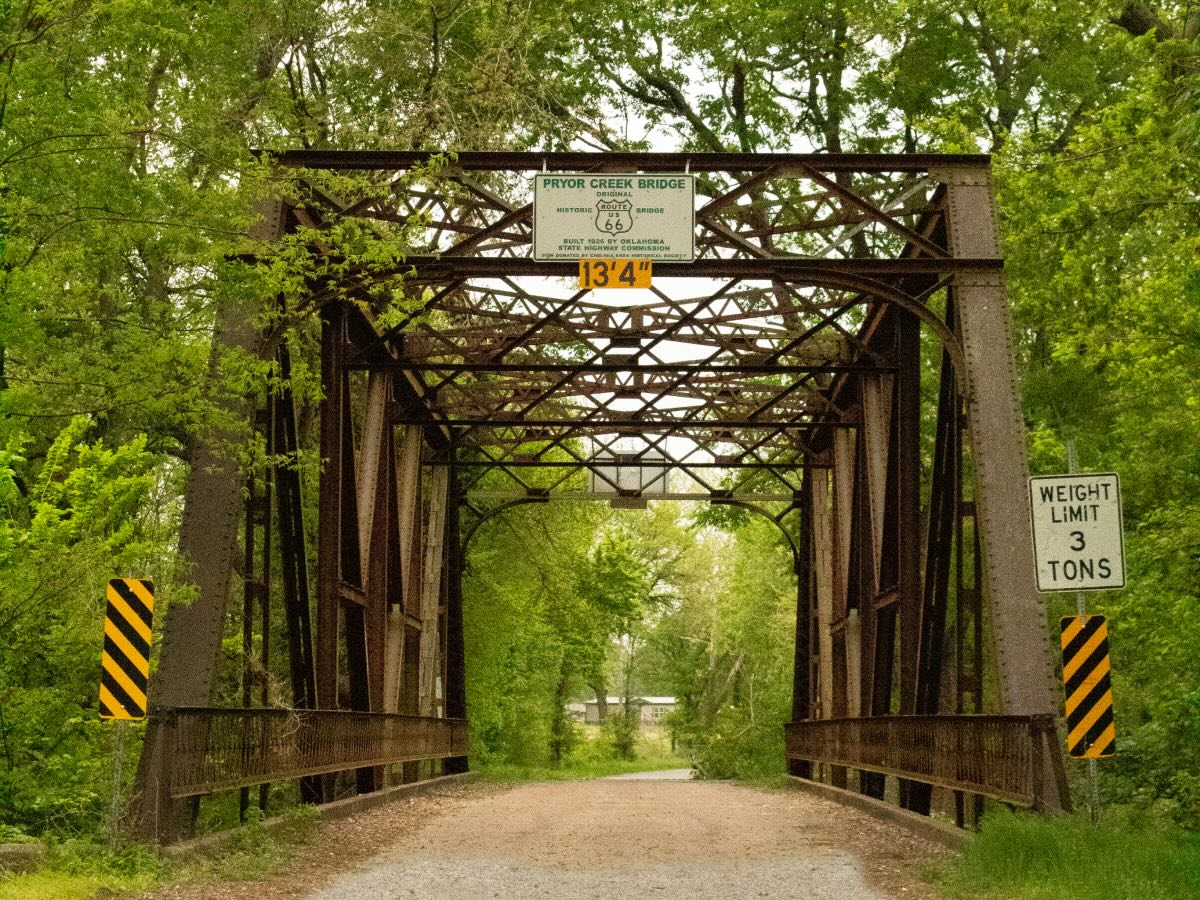
Historic steel bridge with original 1926 construction, representing early Route 66 infrastructure.
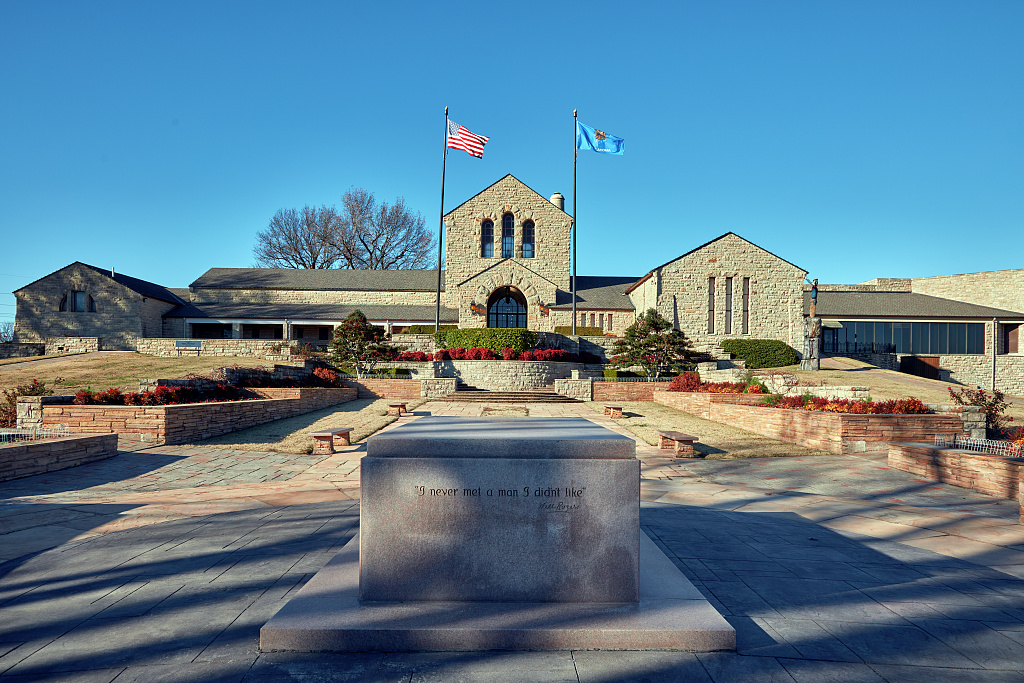
Tribute to the cowboy-philosopher, showcasing the life and legacy of America's beloved humorist.
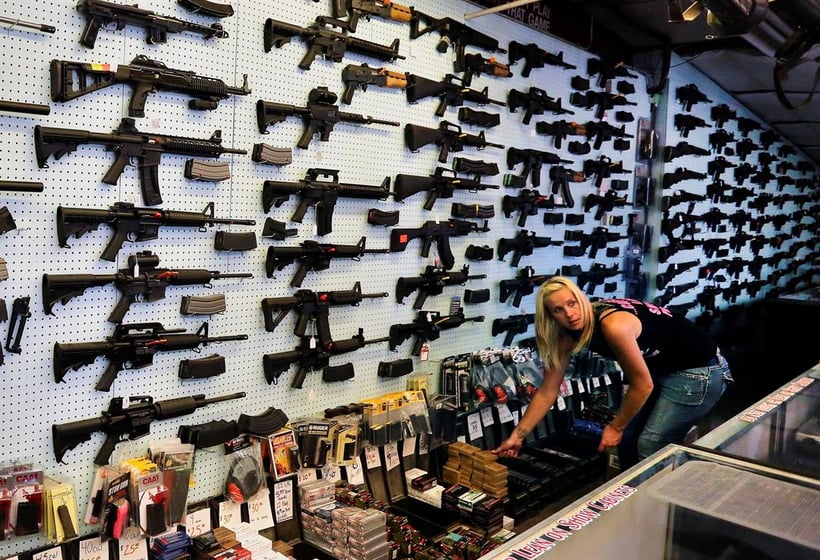
Massive private gun collection with over 20,000 firearms and historical artifacts.
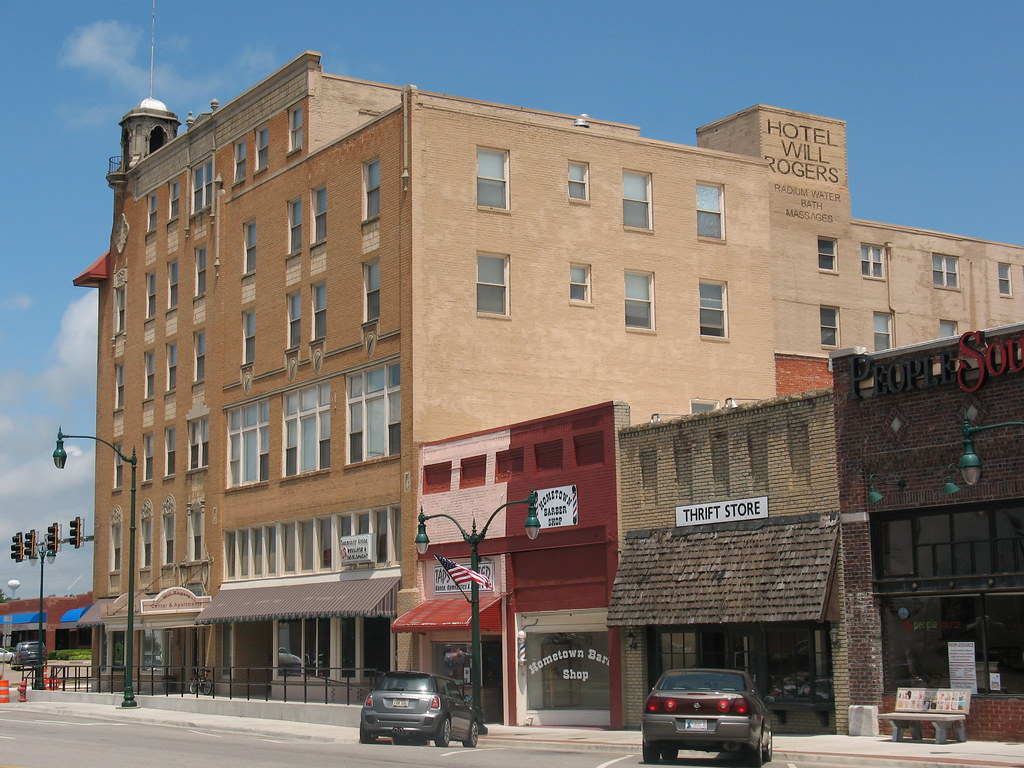
Historic Will Rogers Hotel was originally built in 1930 with a Spanish Mission style and a prominent bell tower.
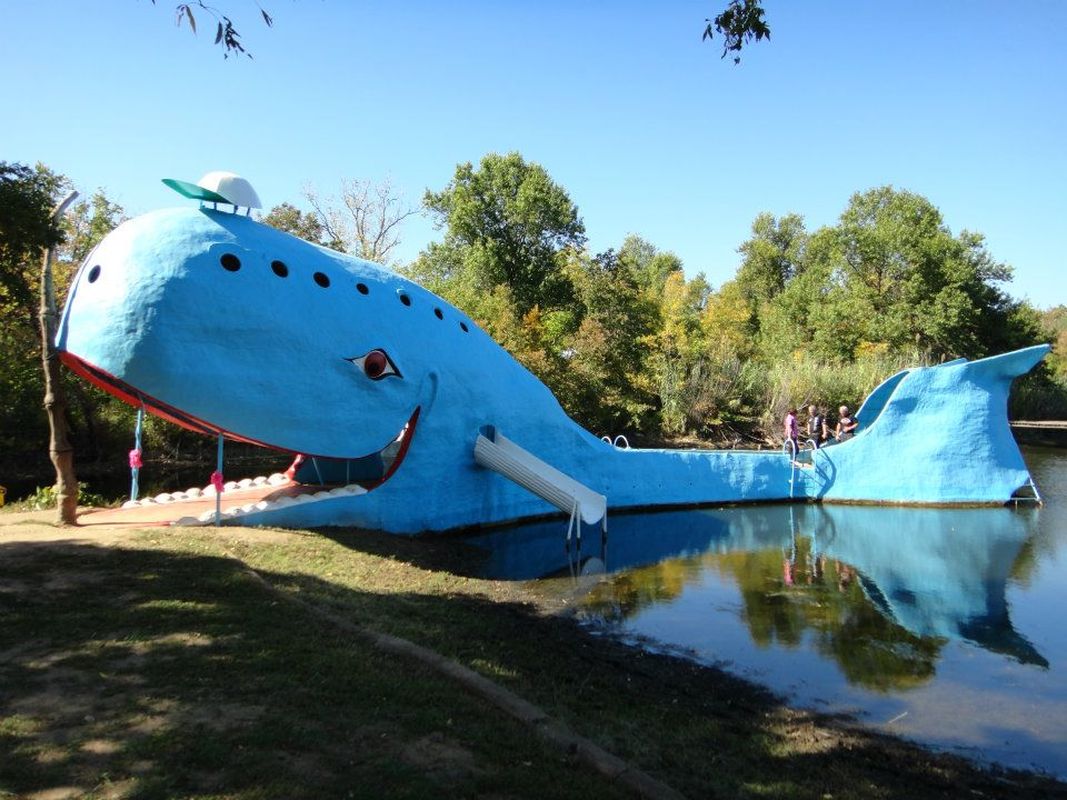
One of Route 66's most iconic photo stops, a giant blue whale sculpture built in the 1970s.
Classic roadside stop from the 50s, now atmospheric ruins that evoke Route 66's golden era.
Restored neon sign on a brick base, representing classic Route 66 advertising and roadside culture.
Replica oil derrick, train car, depot, and more showcasing Oklahoma's oil boom and Route 66 heritage.
Modern food hall with 66-themed art, celebrating contemporary Route 66 culture and local cuisine.
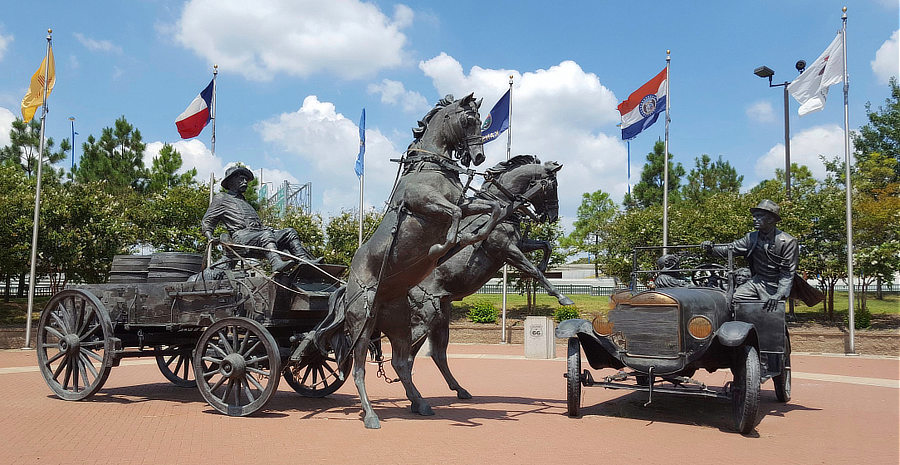
Named for the "Father of Route 66," featuring monuments and exhibits honoring the highway's creation.
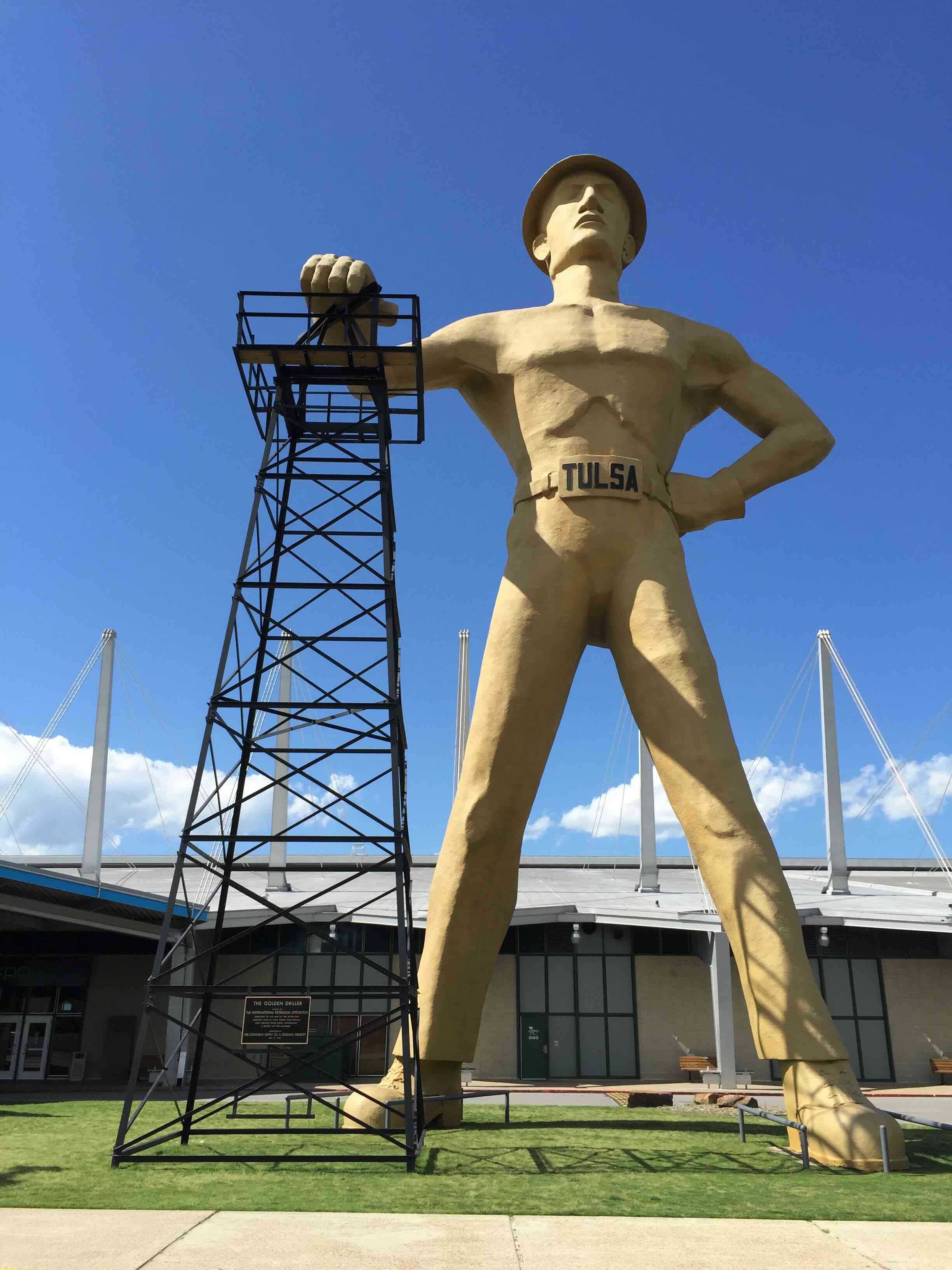
Giant statue of an oil worker, symbolizing Tulsa's role as the "Oil Capital of the World."
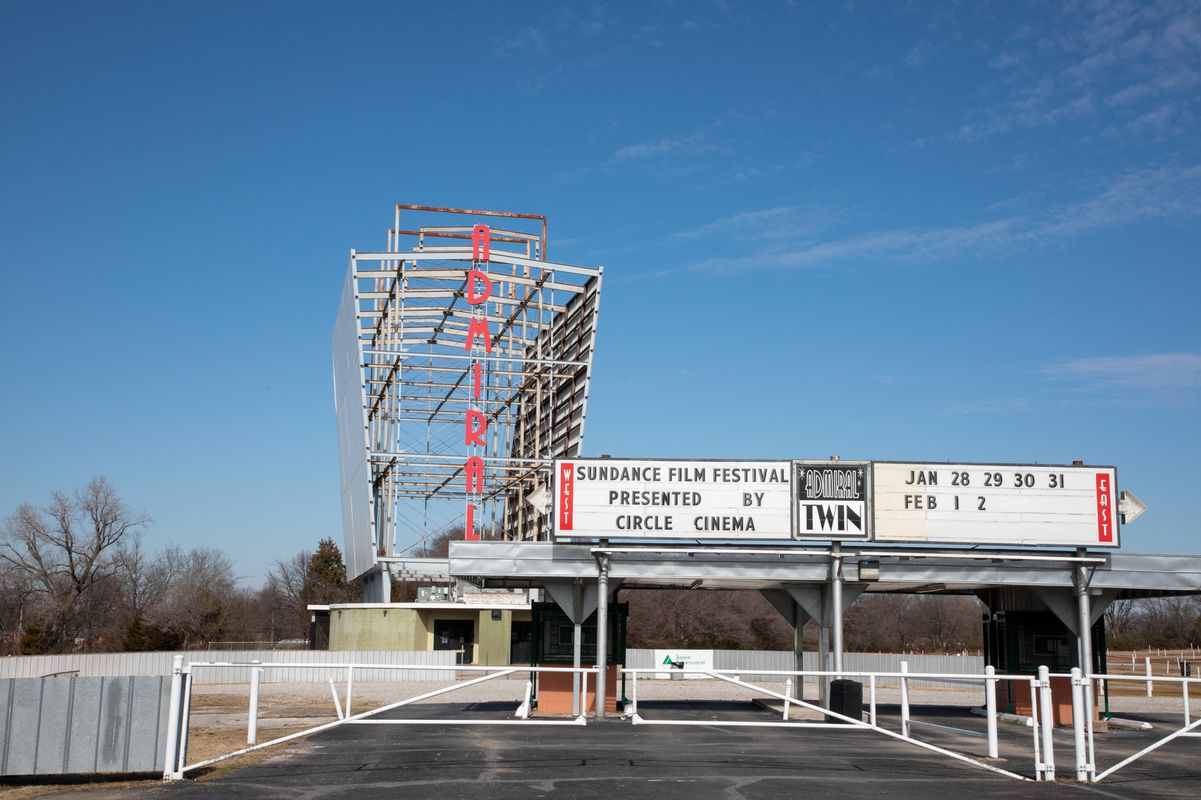
Open-air movie experience from 1951, offering classic drive-in entertainment under the stars.
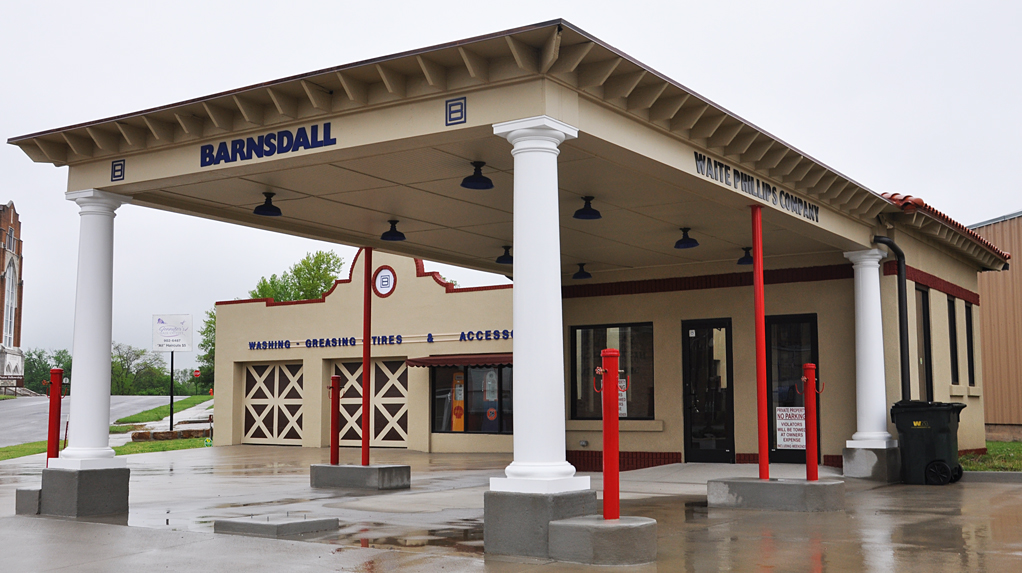
Restored 1920s station showcasing early automotive service and Phillips Petroleum history.
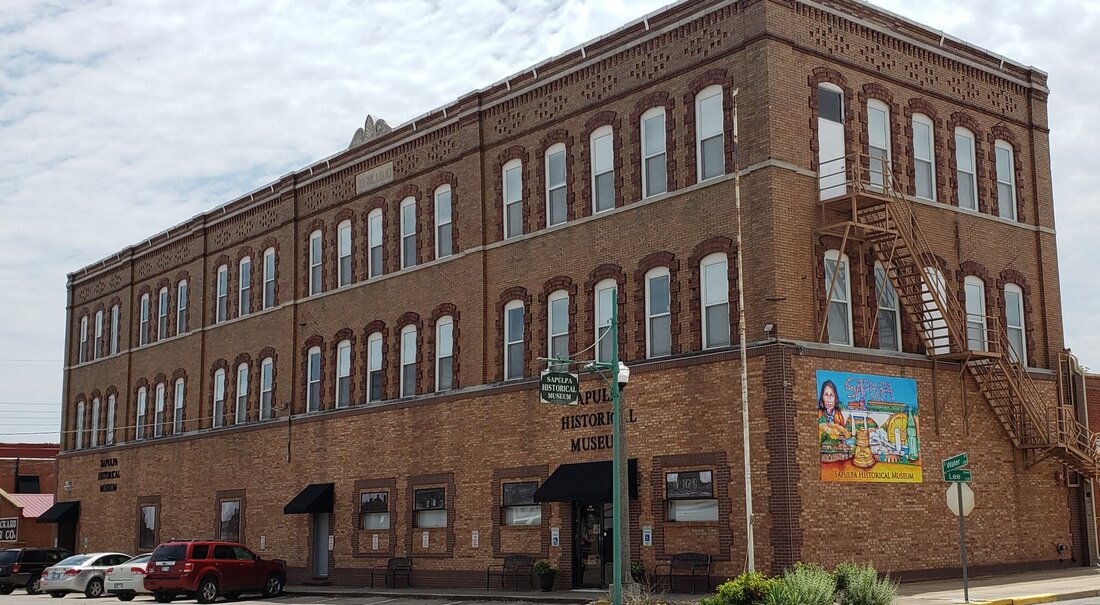
Includes Route 66 artifacts and documents chronicling the highway's impact on the community.
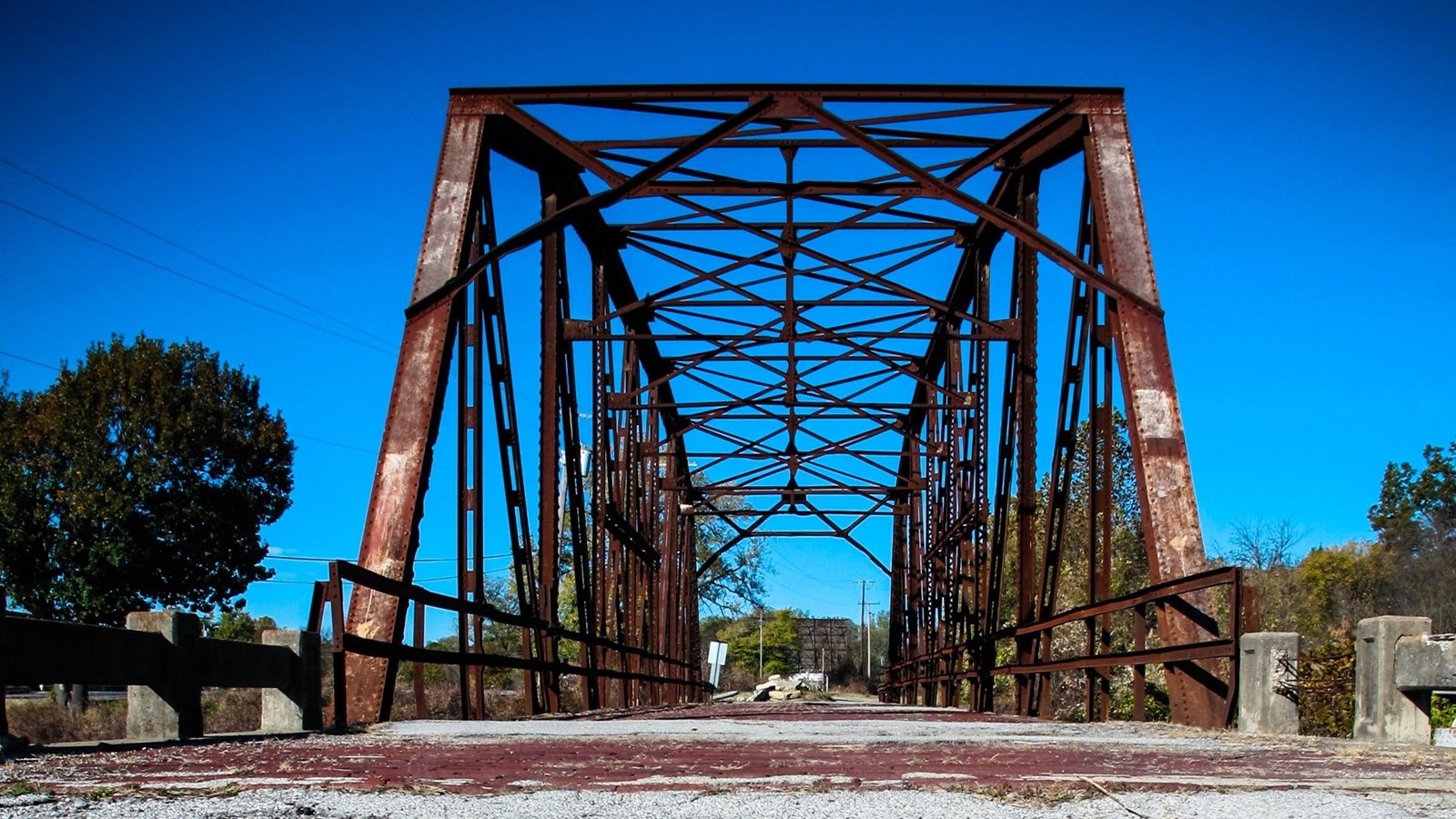
1921 bridge used by early Route 66 traffic, representing the highway's original infrastructure.
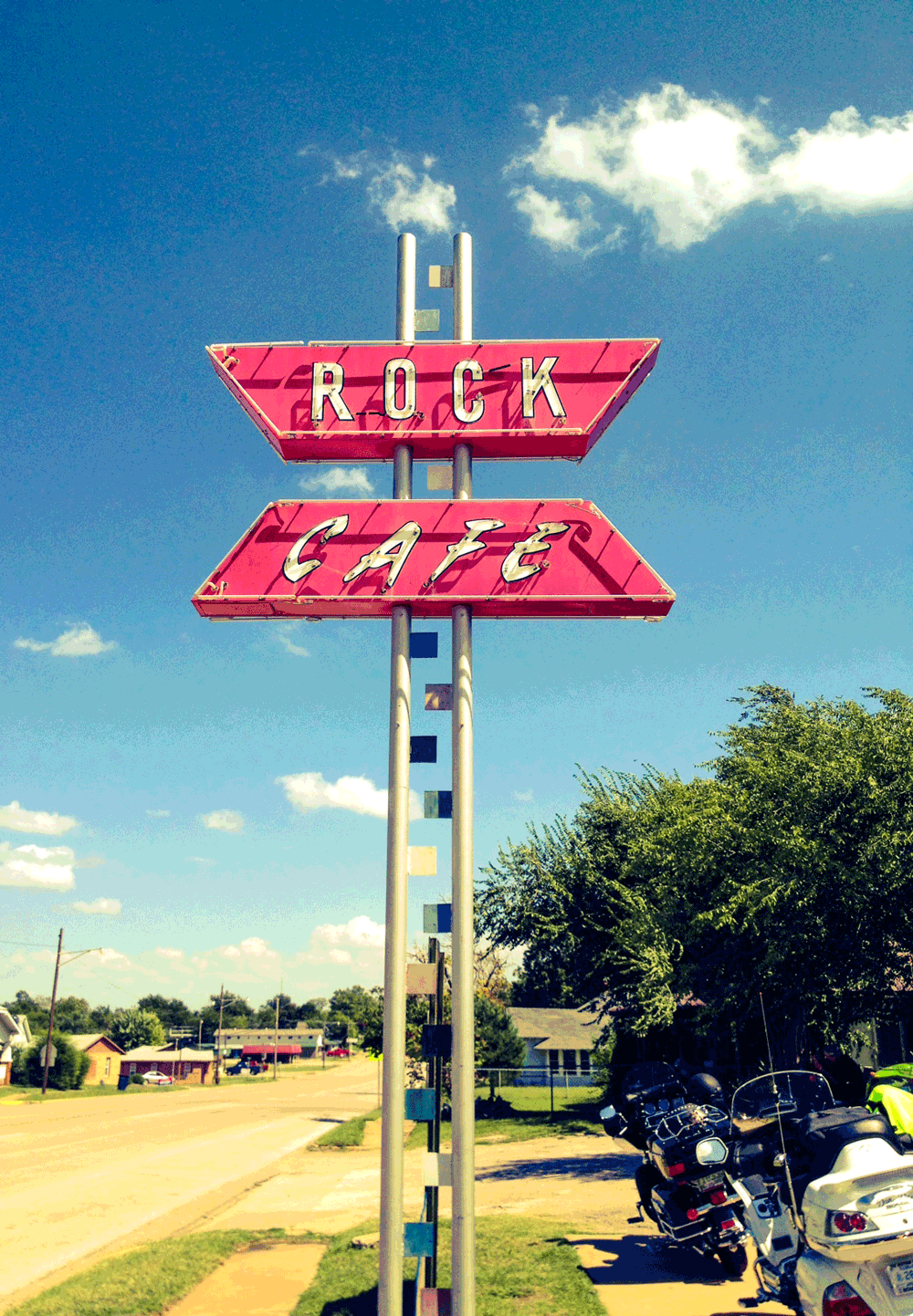
Historic 1939 diner rebuilt after a 2008 fire; inspiration for Sally in Pixar's Cars movie.
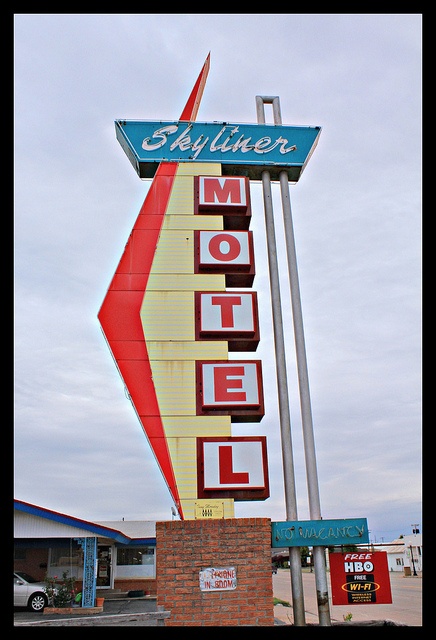
Classic neon roadside lodging representing the golden age of Route 66 motor courts.
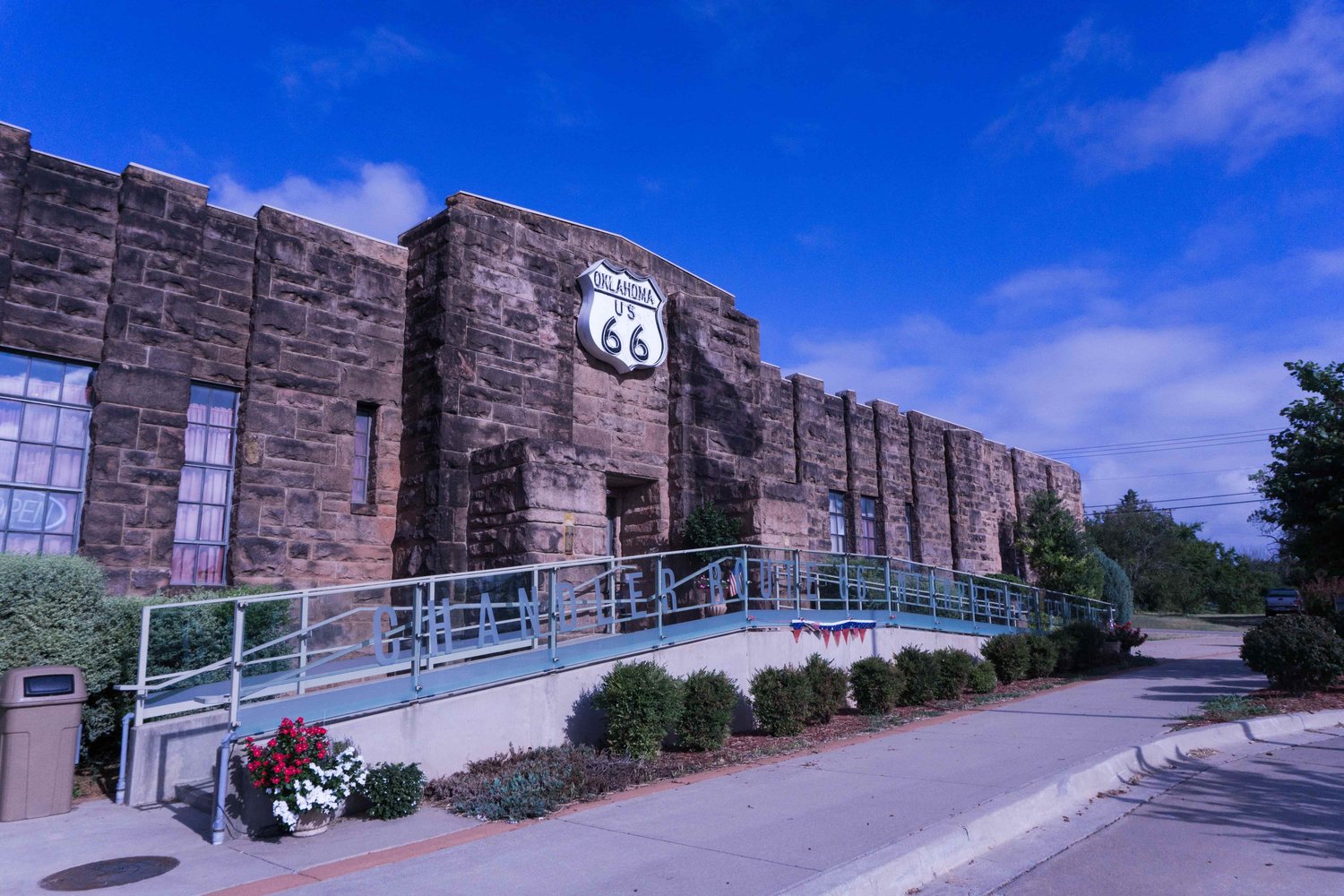
Interactive exhibits with music, cars, and history celebrating the Mother Road's cultural impact.
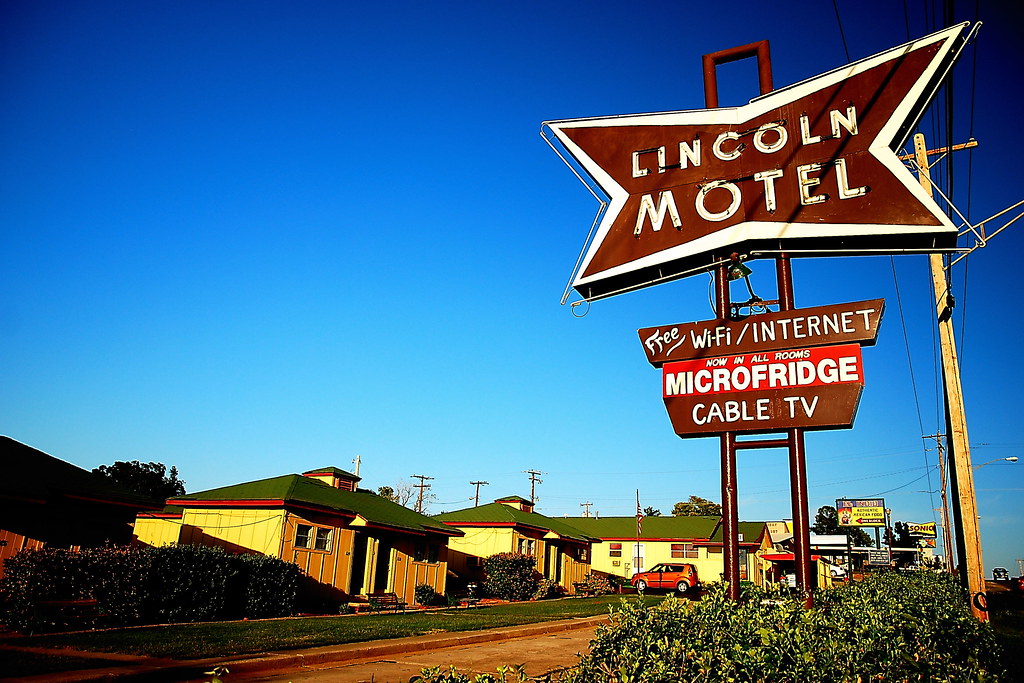
Neon-lit, mid-century stopover preserving the classic Route 66 motor court experience.
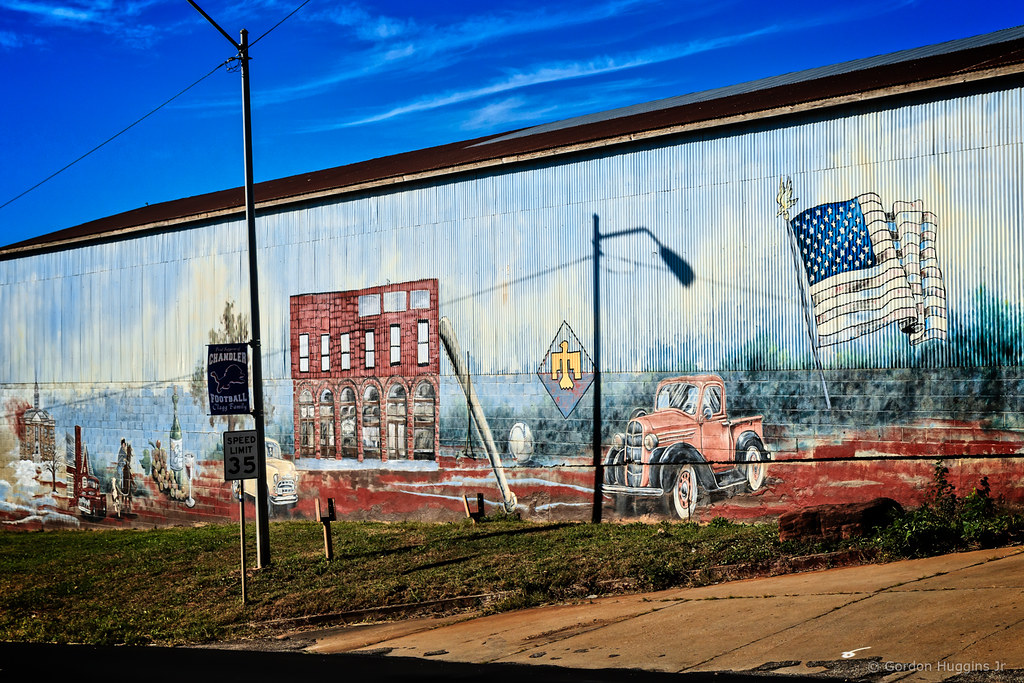
Celebrates Route 66 heritage with colorful public art and preserved historic buildings.
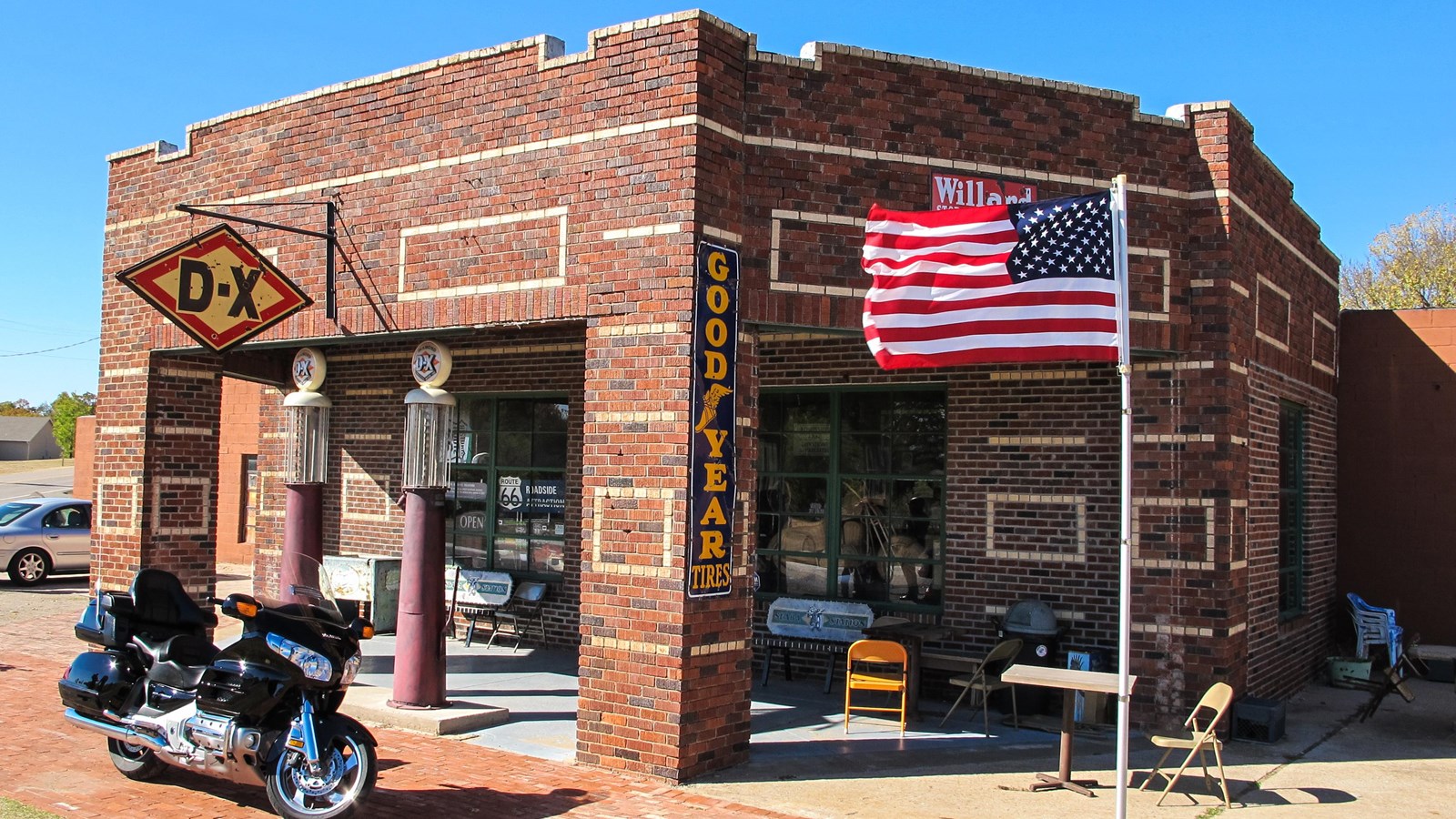
Old service station turned into a vintage motorcycle museum showcasing classic bikes and memorabilia.
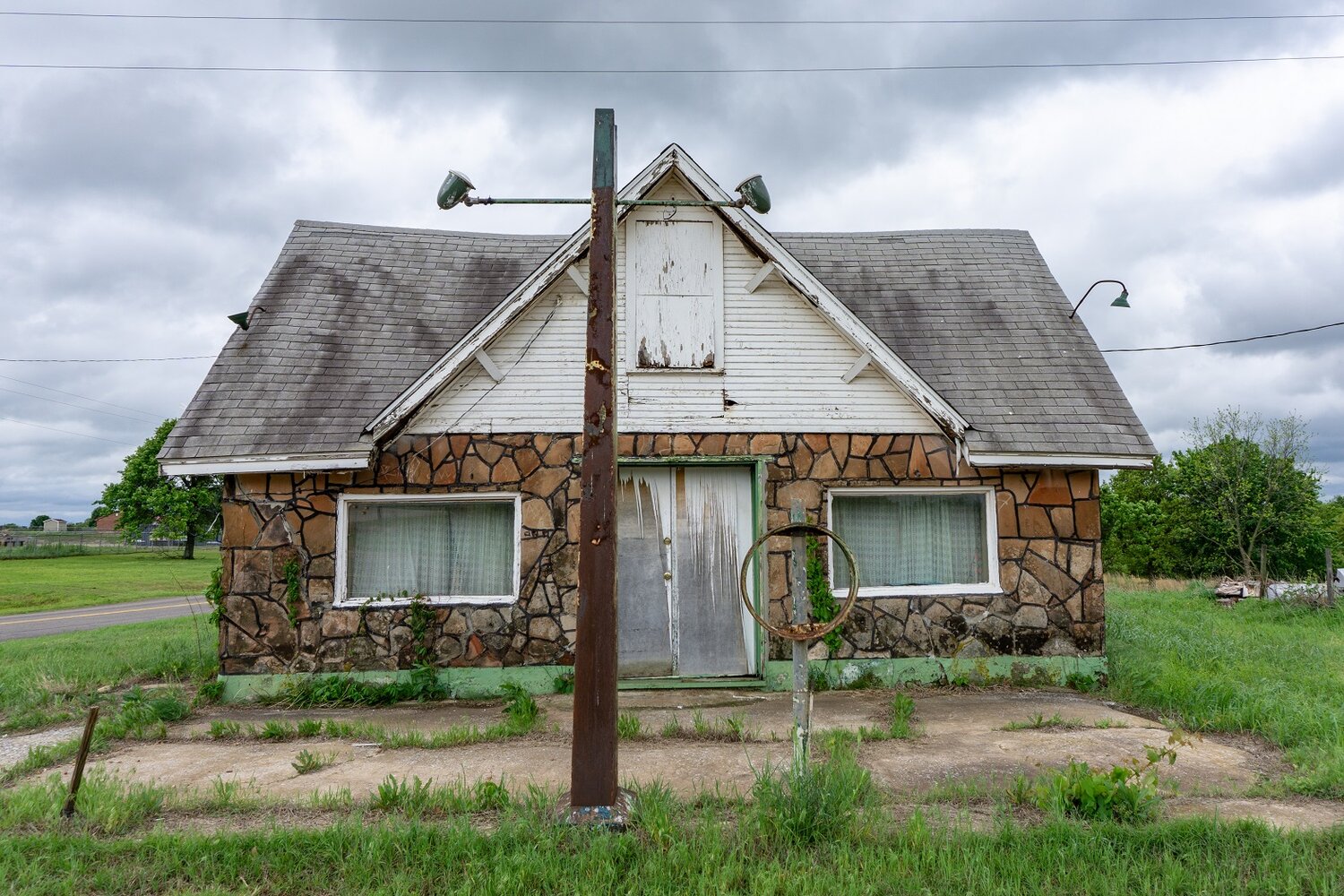
One of the first Black-owned businesses along Route 66, representing important civil rights history.
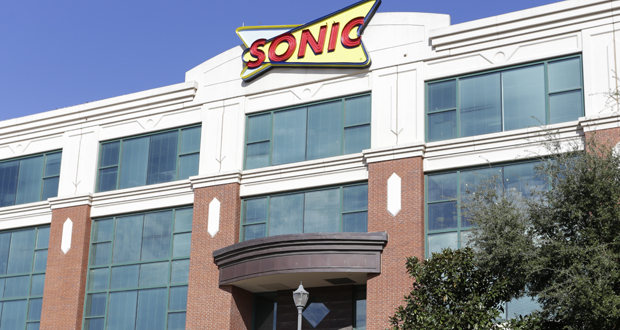
Nearby modern nod to American car culture, representing the evolution of roadside dining.
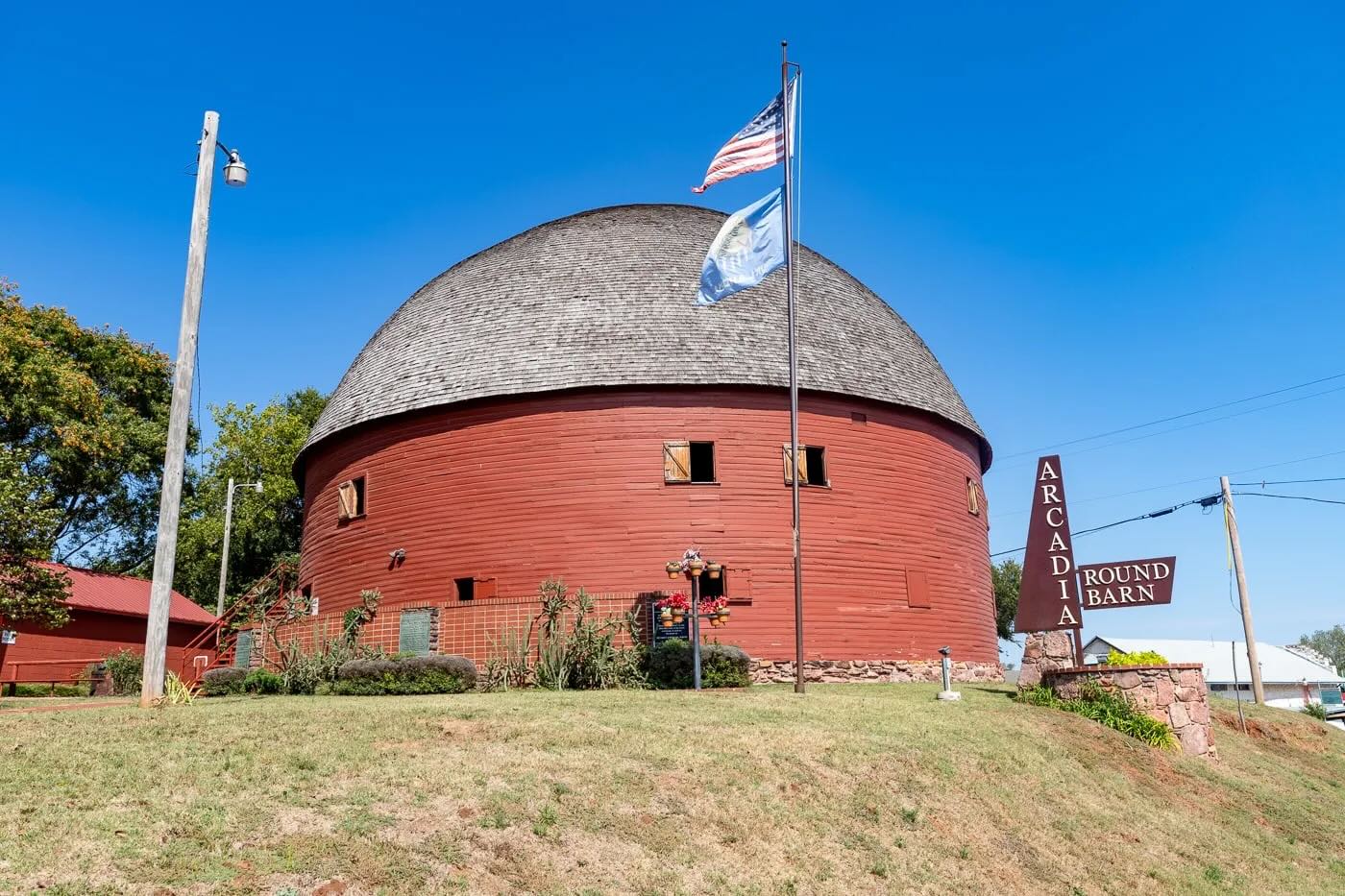
1898 round barn restored and filled with exhibits, now a Route 66 interpretive center.
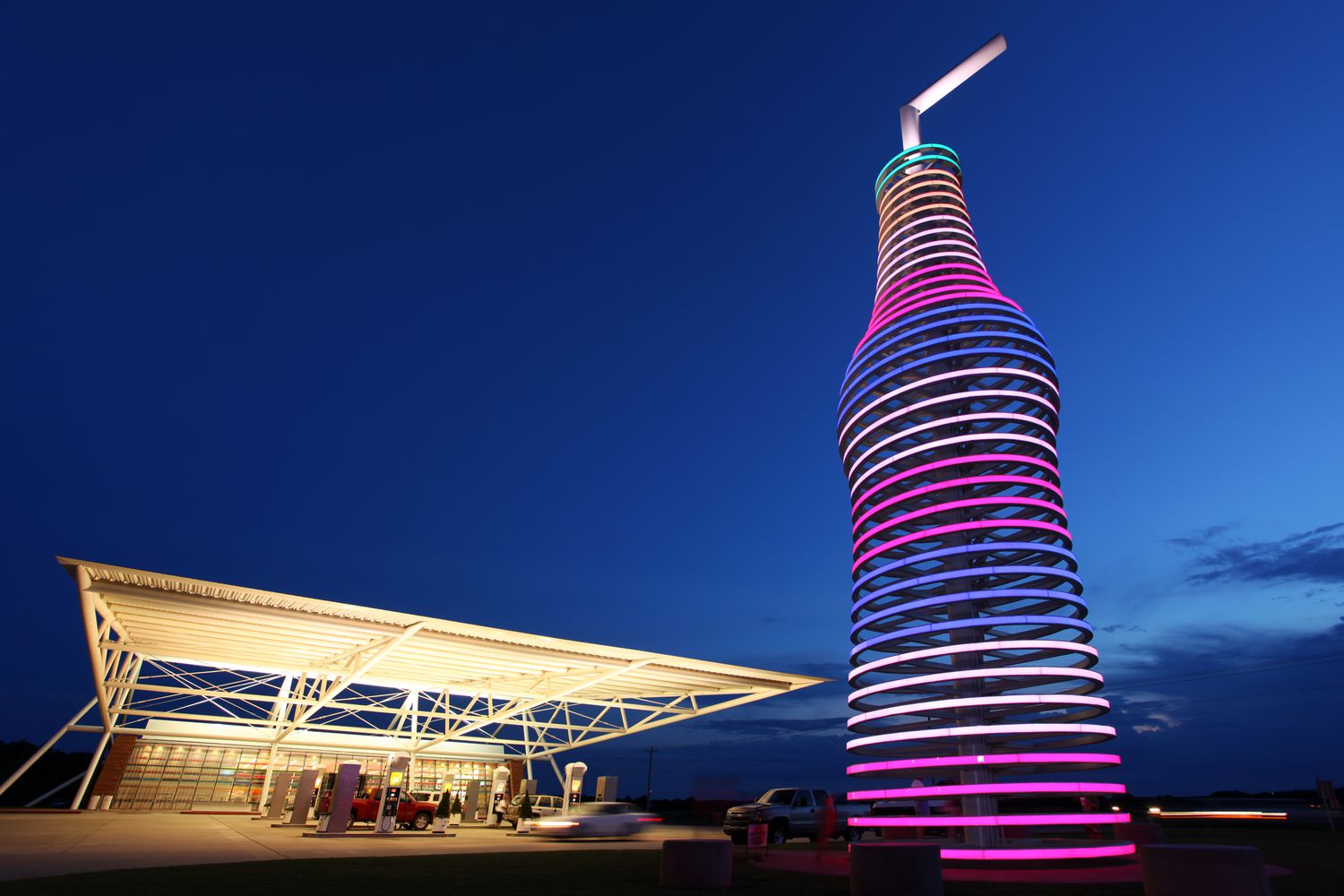
Giant soda bottle sculpture and over 700 kinds of pop, a modern roadside attraction celebrating American soda culture.
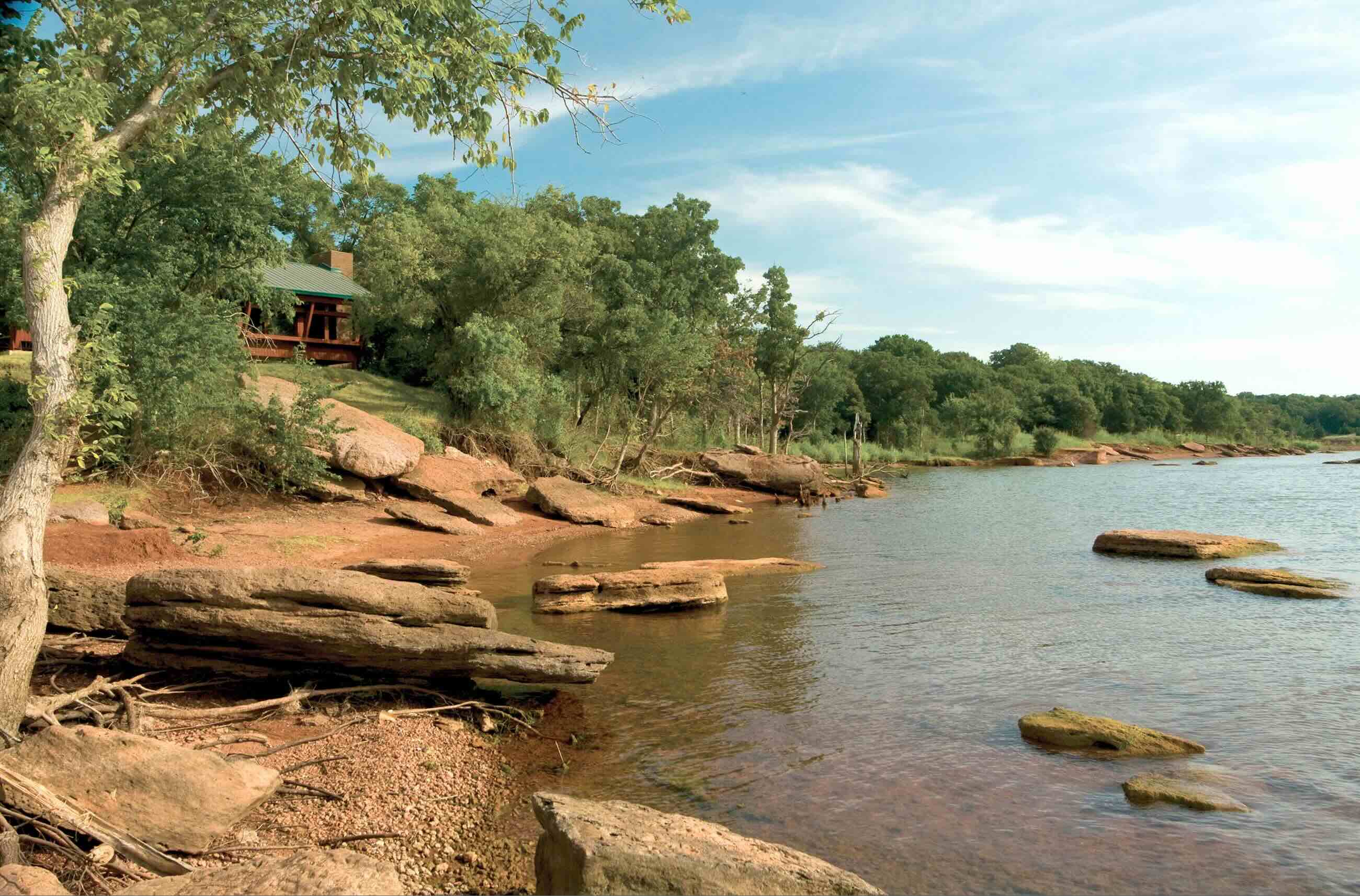
Scenic detour offering natural beauty and recreational opportunities near Route 66.
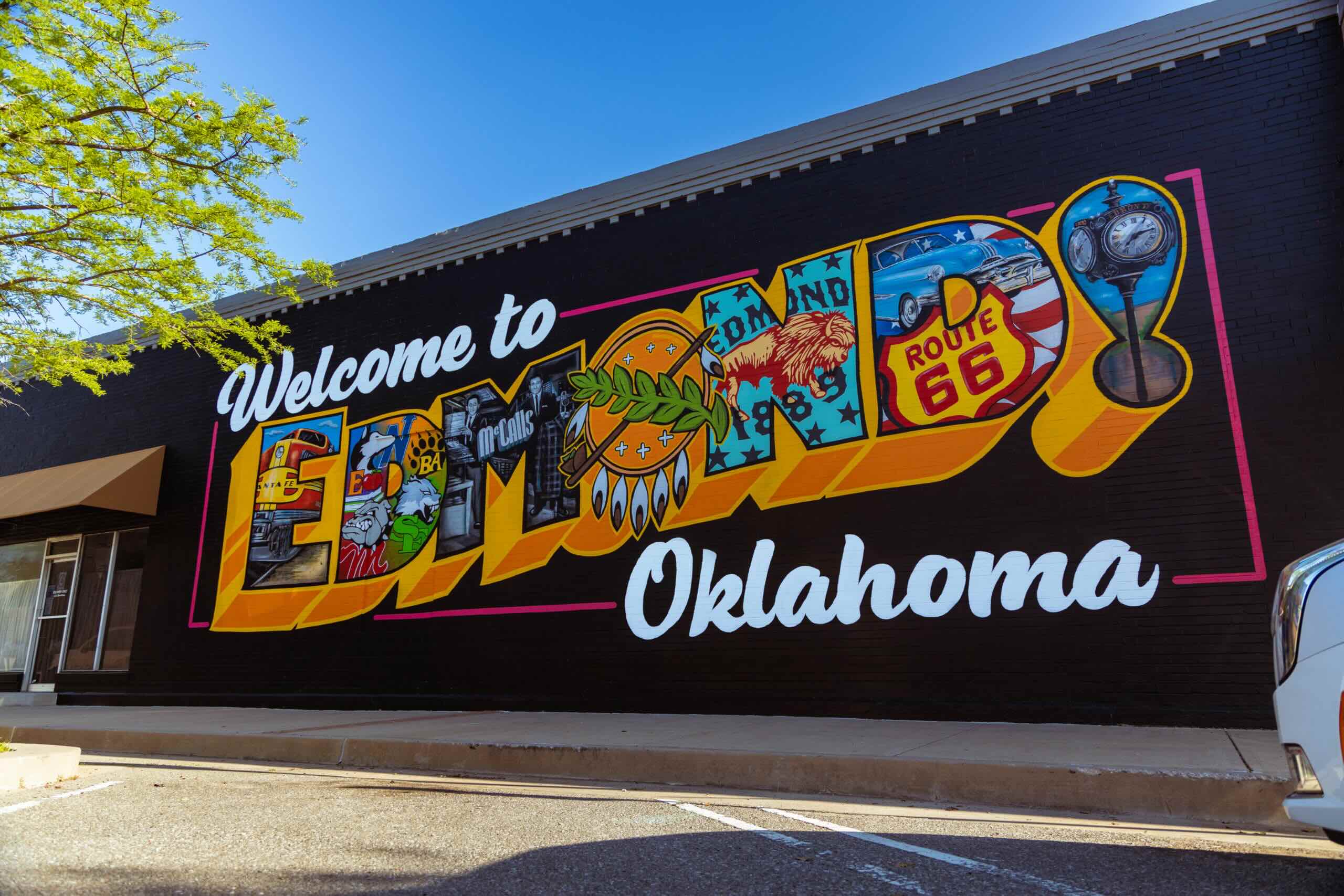
Honor Route 66 and oil history with public art and classic dining establishments.
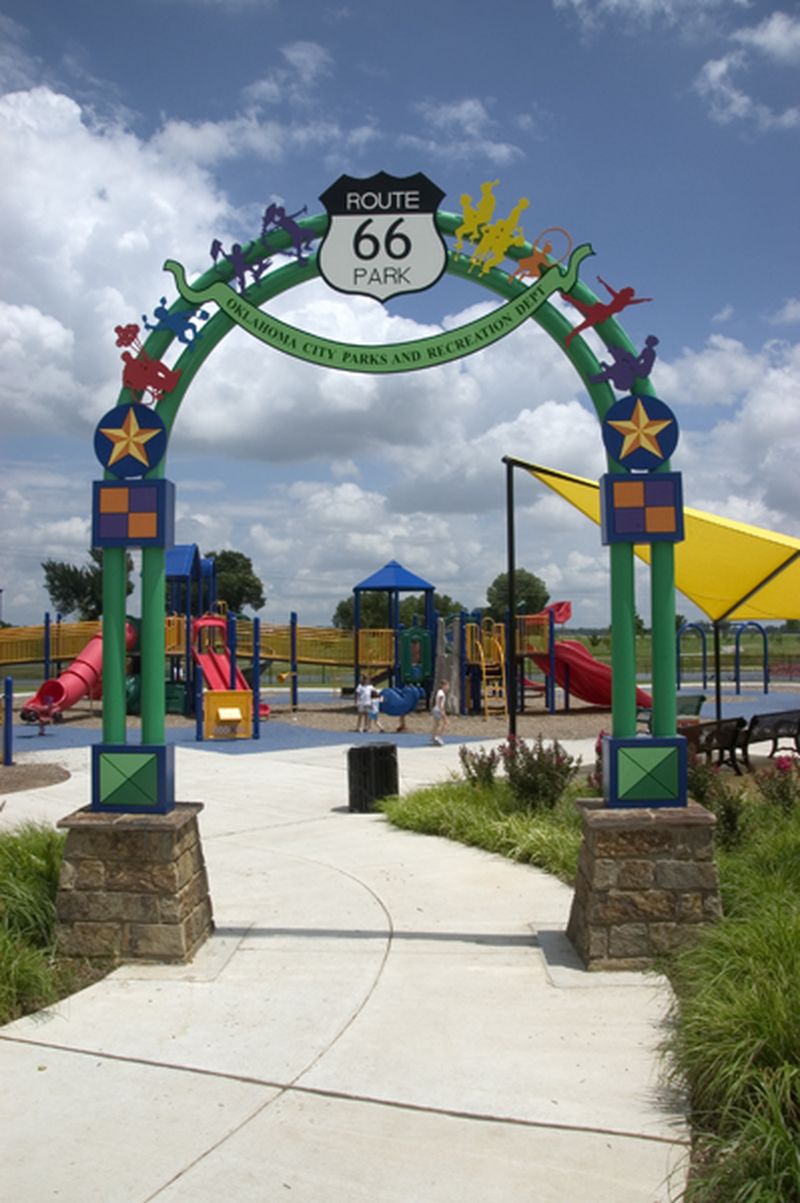
Walkway, plaza, and overlook celebrating the Mother Road with interpretive displays and monuments.
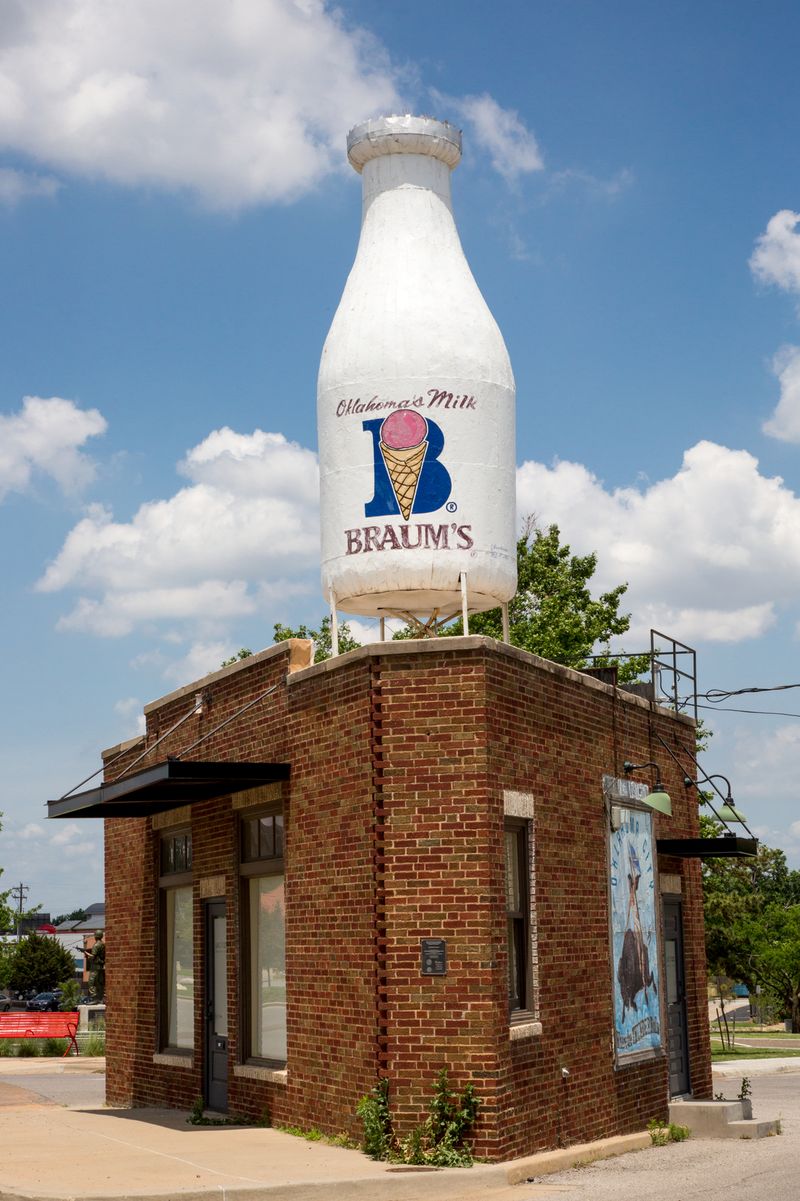
Tiny wedge-shaped building with a giant milk bottle on top, an iconic piece of roadside architecture.
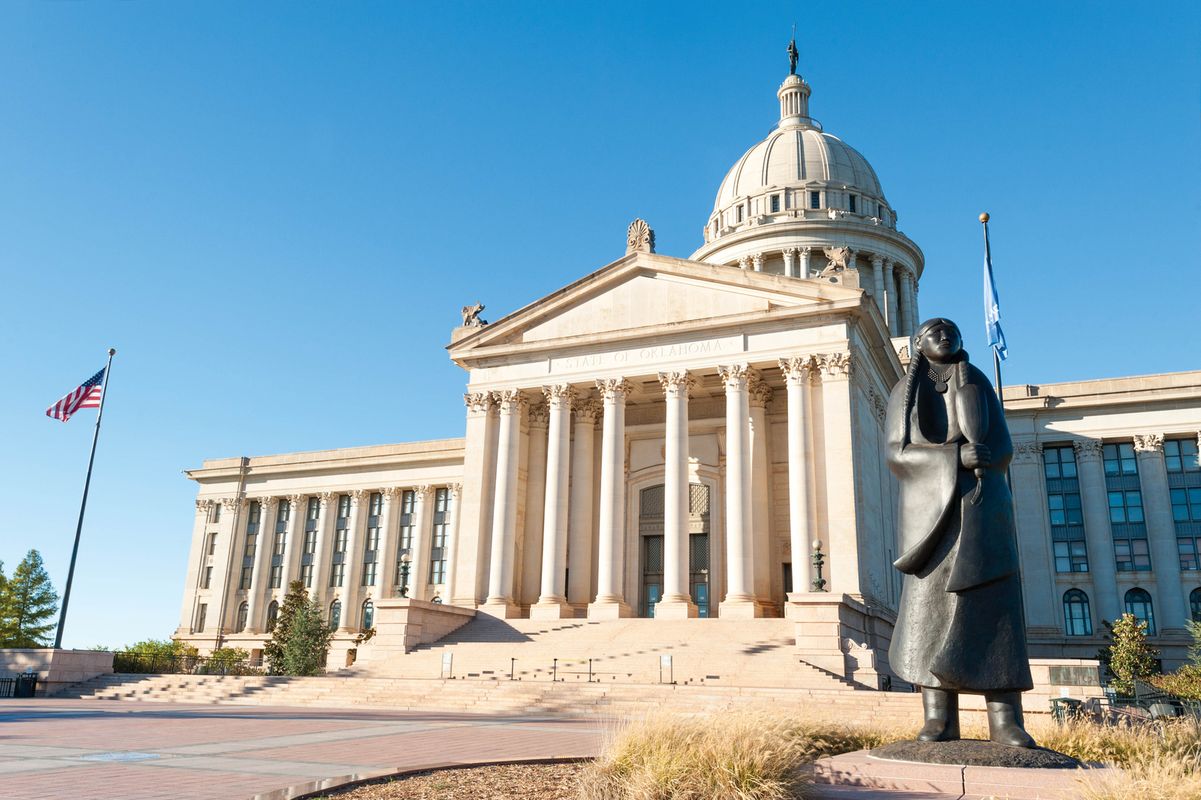
Accessible via 66 bypass, featuring the only state capitol with working oil wells on its grounds.
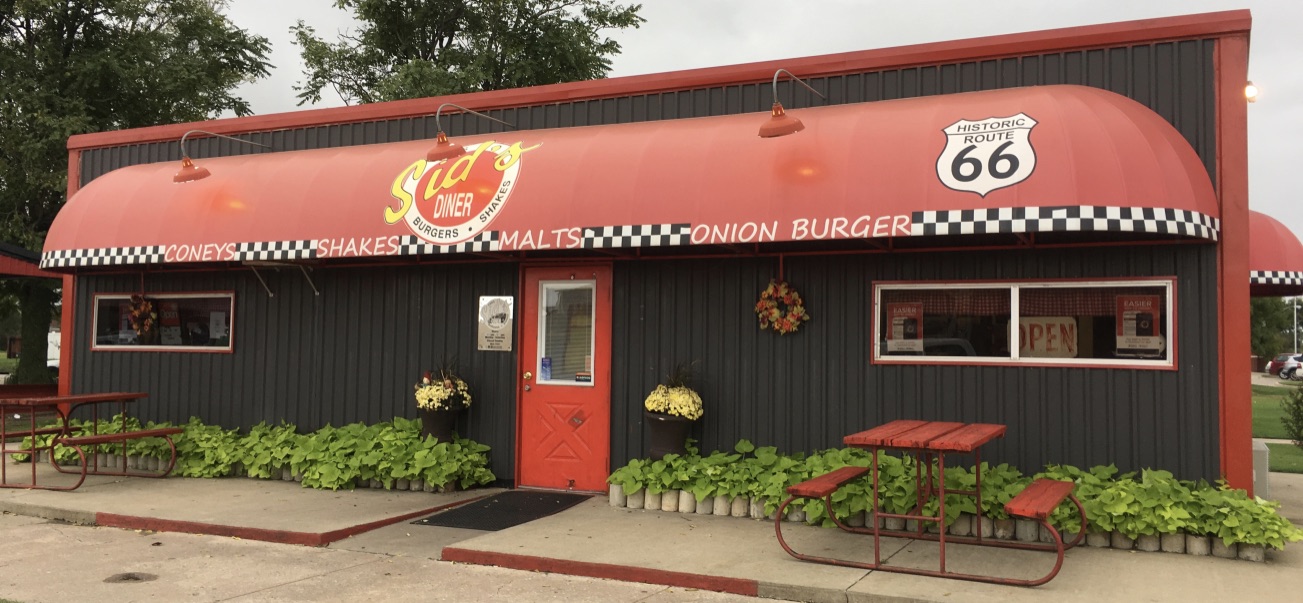
Home of the fried-onion burger, a local culinary tradition that started during the Great Depression.
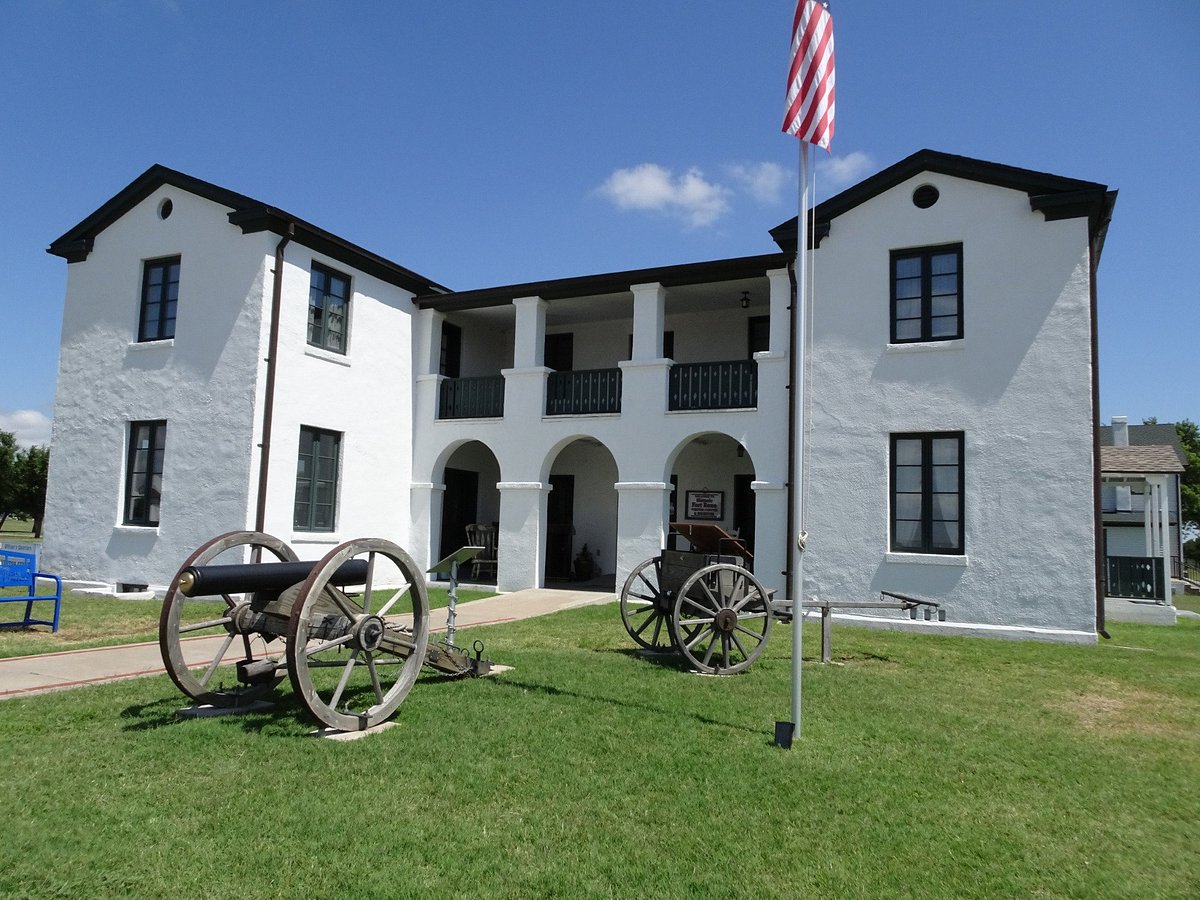
Historic Army post and cemetery with WWII German POW camp, showcasing military history.
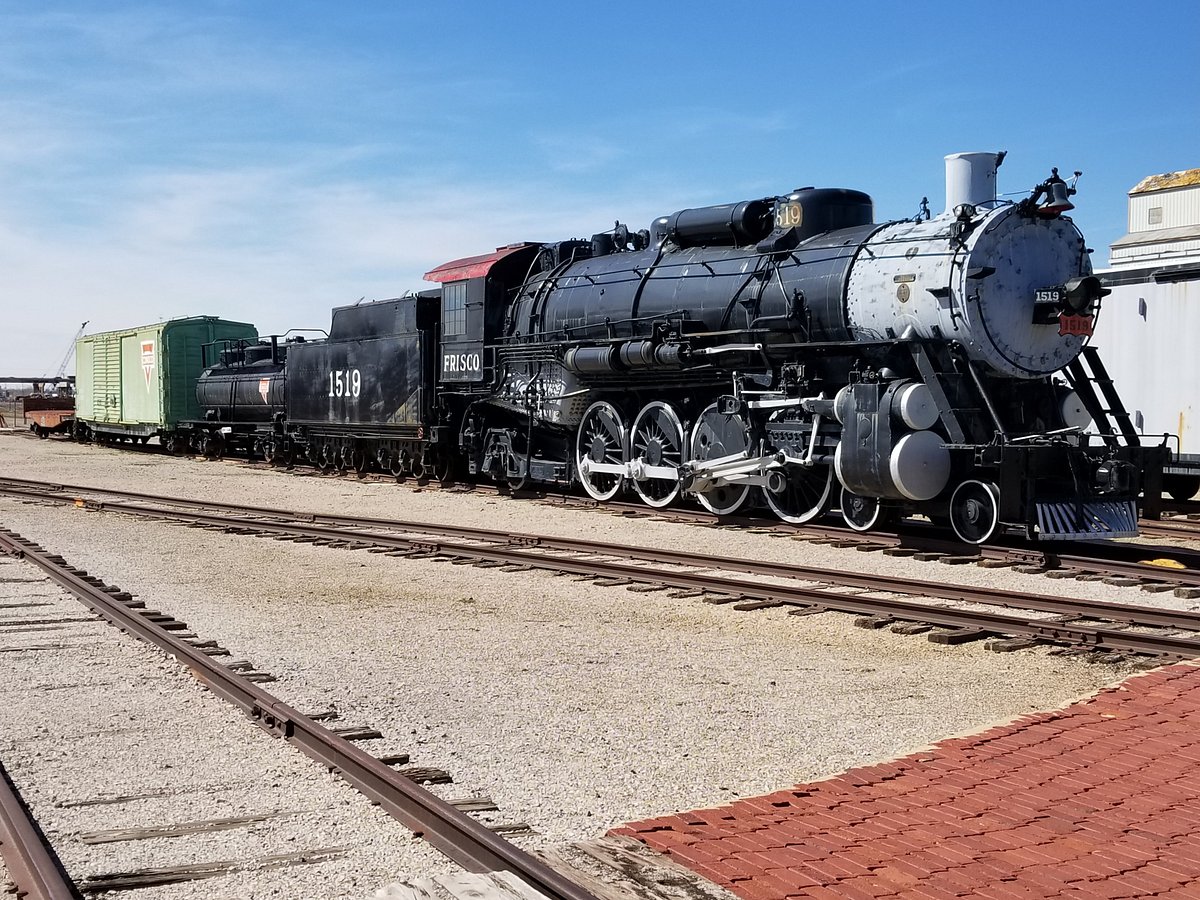
Showcasing the railroad heritage that preceded the automobile age along this transportation corridor.
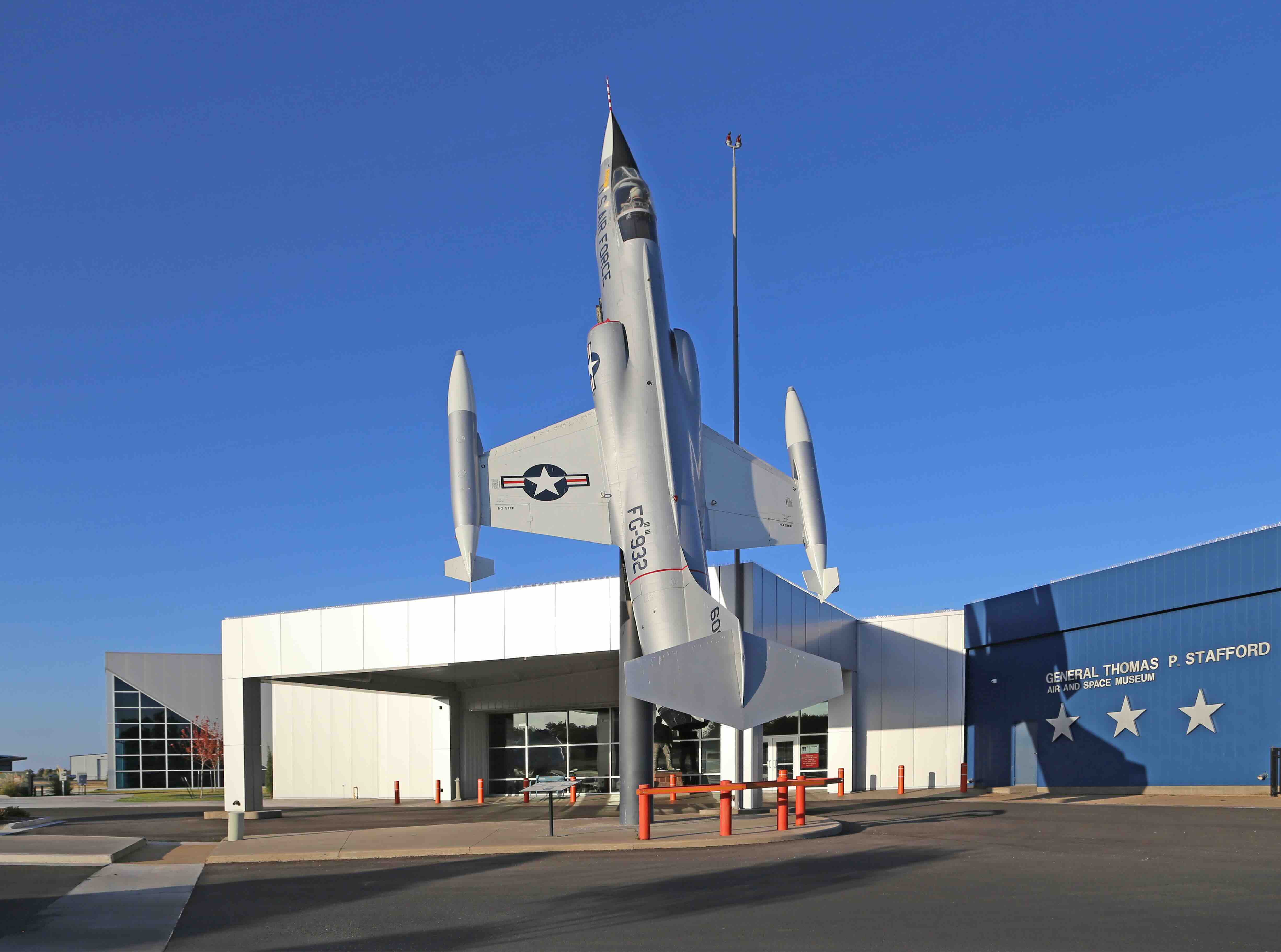
Named after astronaut Thomas Stafford, featuring aerospace exhibits and Oklahoma's space heritage.
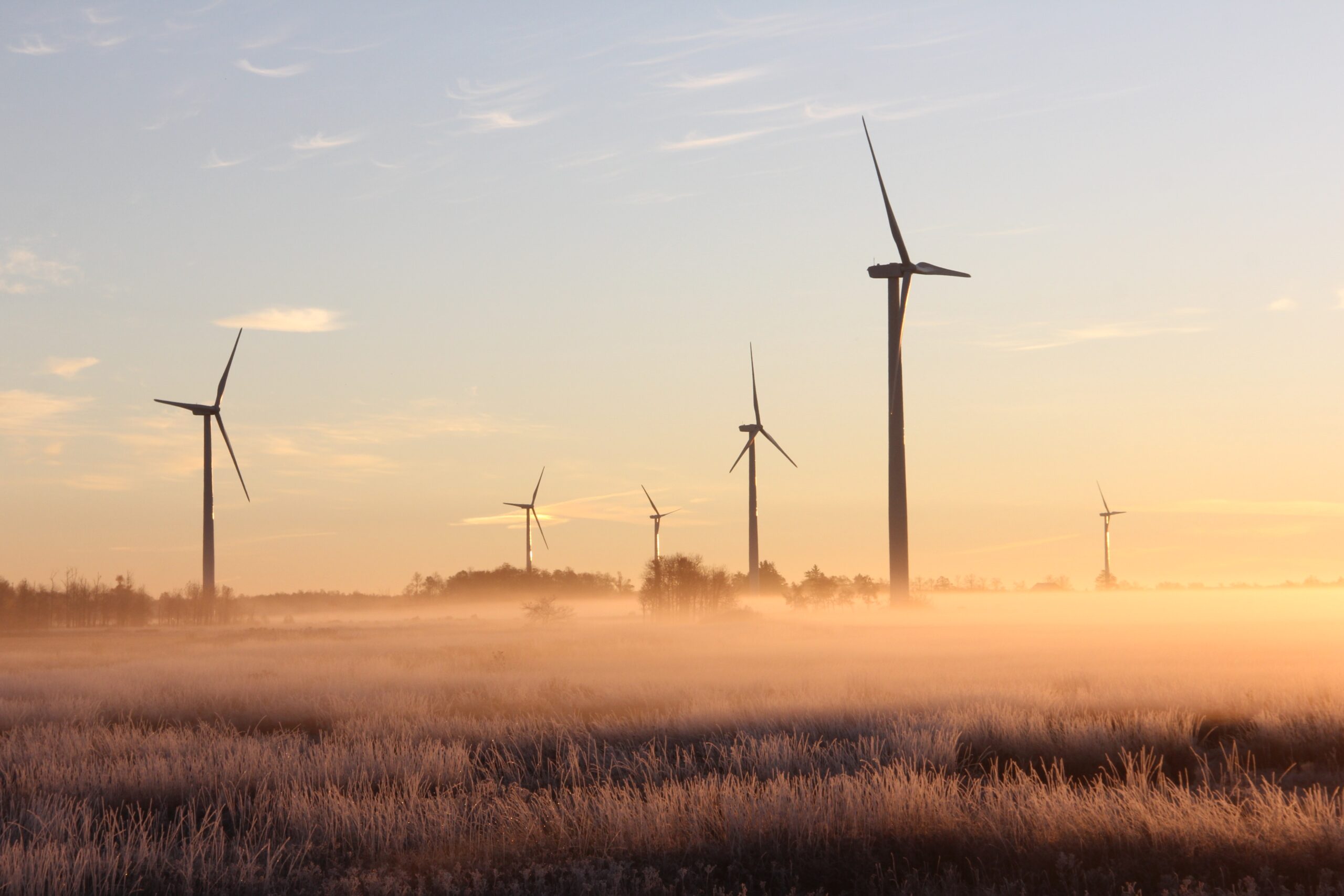
Giant turbine display showcasing Oklahoma's leadership in renewable energy production.
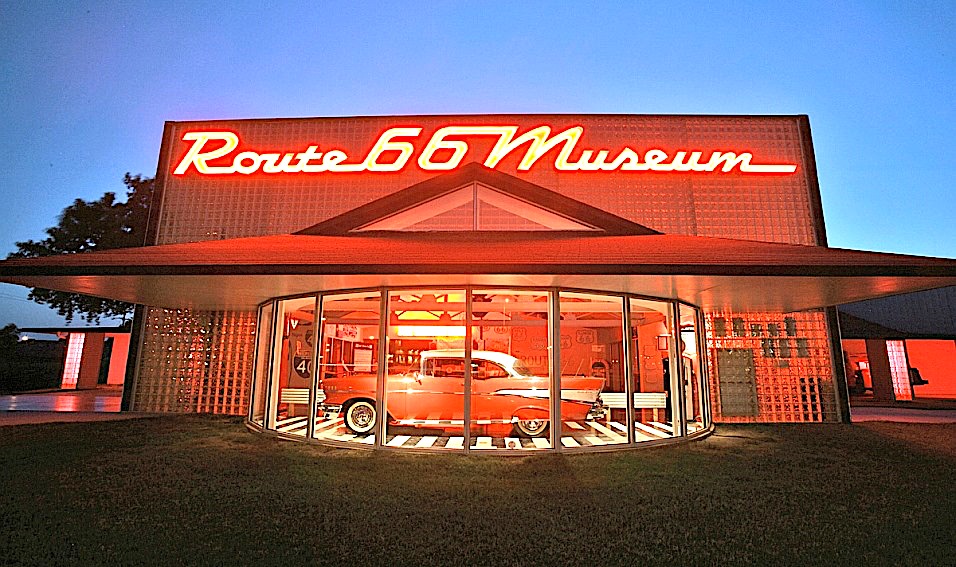
One of the most extensive Route 66 museums, chronicling the highway's complete history and cultural impact.
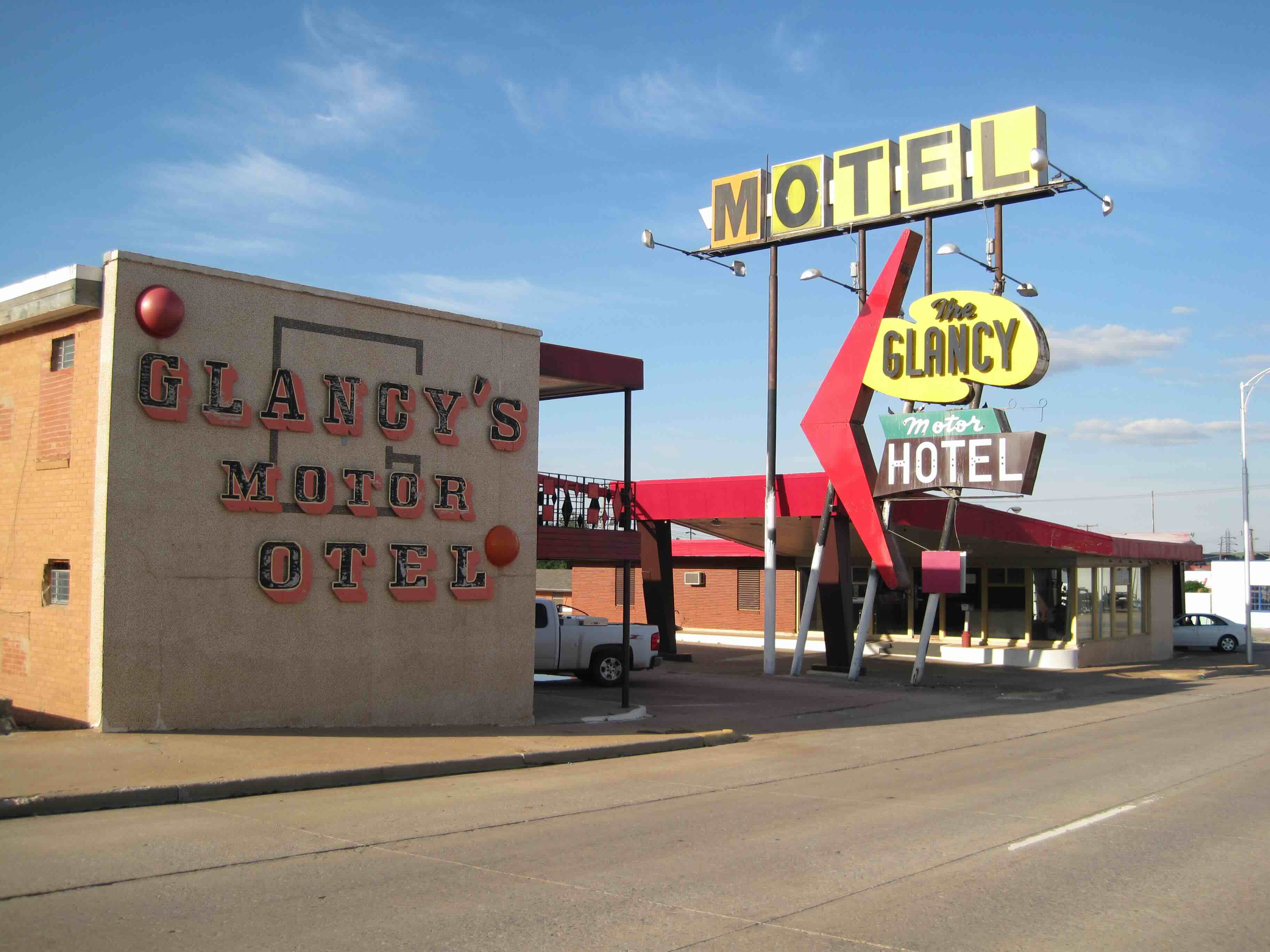
Classic Route 66 accommodations and dining establishments preserving mid-century roadside culture.
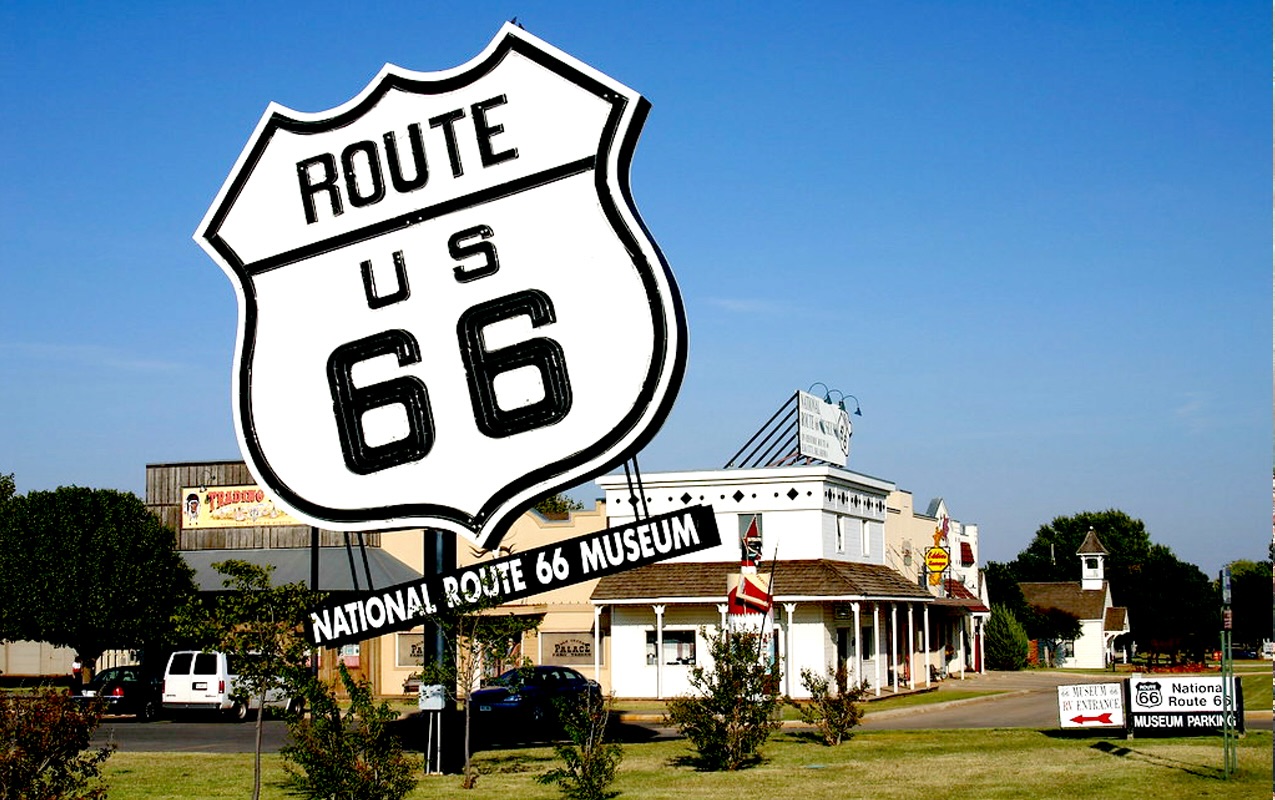
Life-size old town streetscape and exhibits recreating the Route 66 experience through multiple eras.
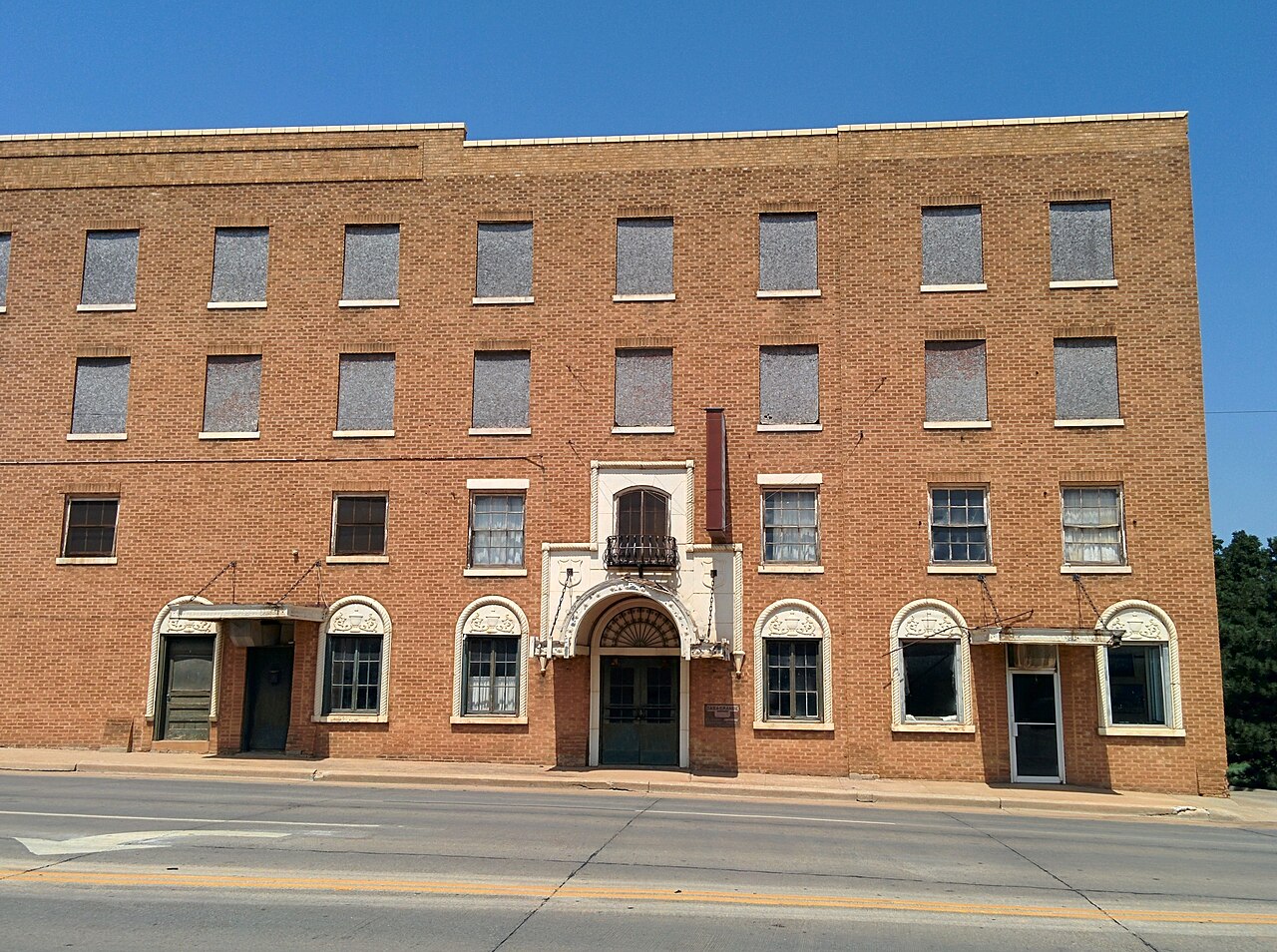
The only high rise hotel on Route 66 between Oklahoma City and Amarillo.
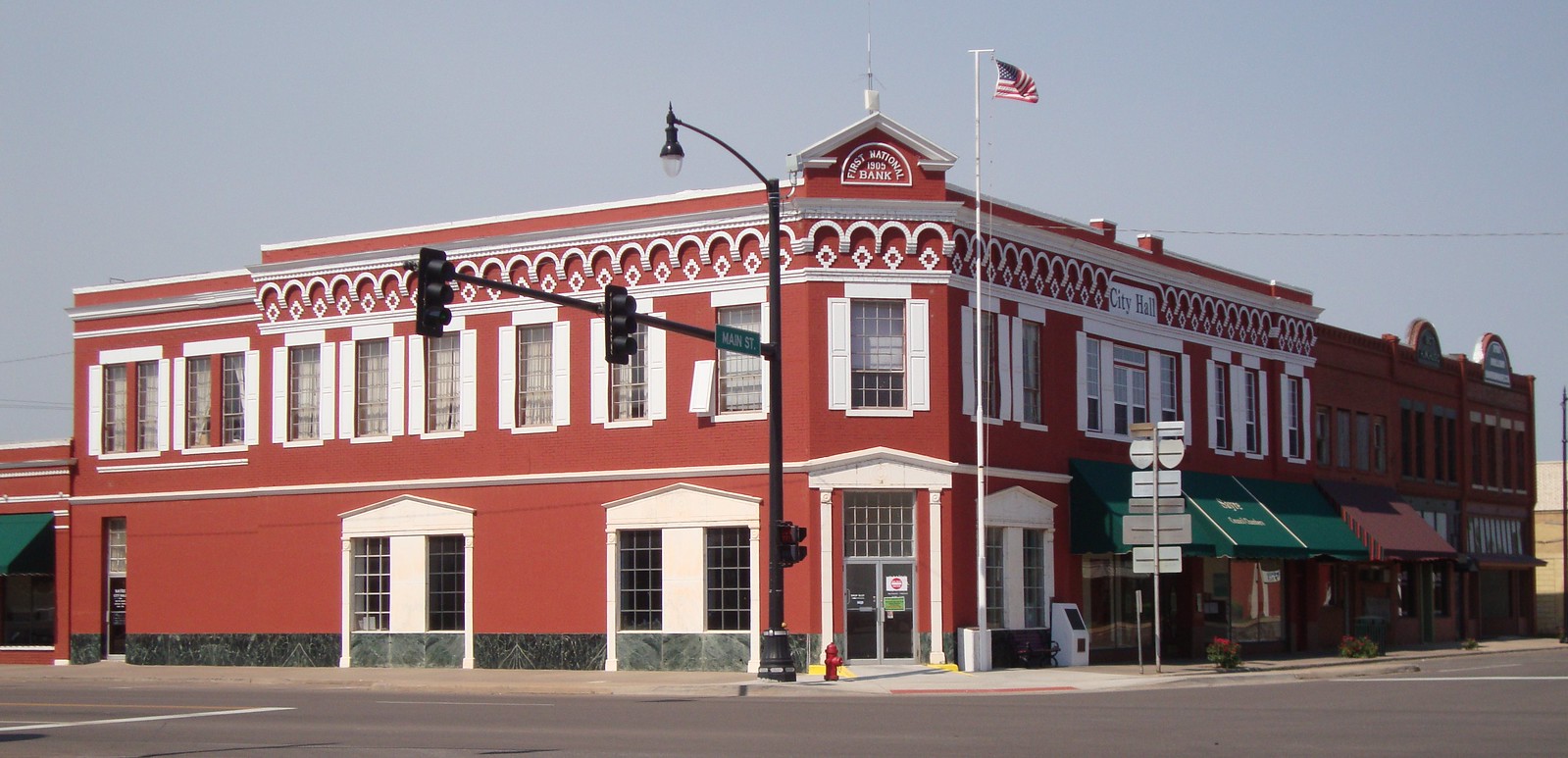
Featured in The Grapes of Wrath film, representing Depression-era architecture and Dust Bowl history.
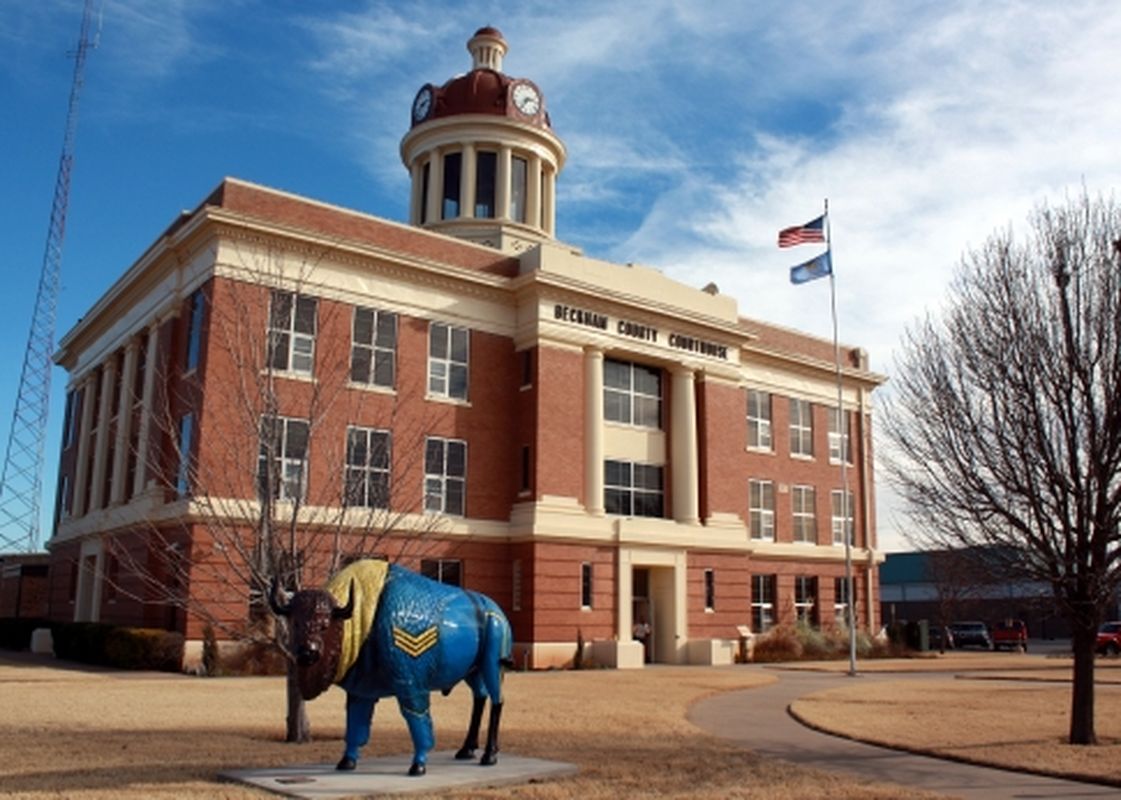
Beautiful example of early 20th-century courthouse architecture in western Oklahoma.
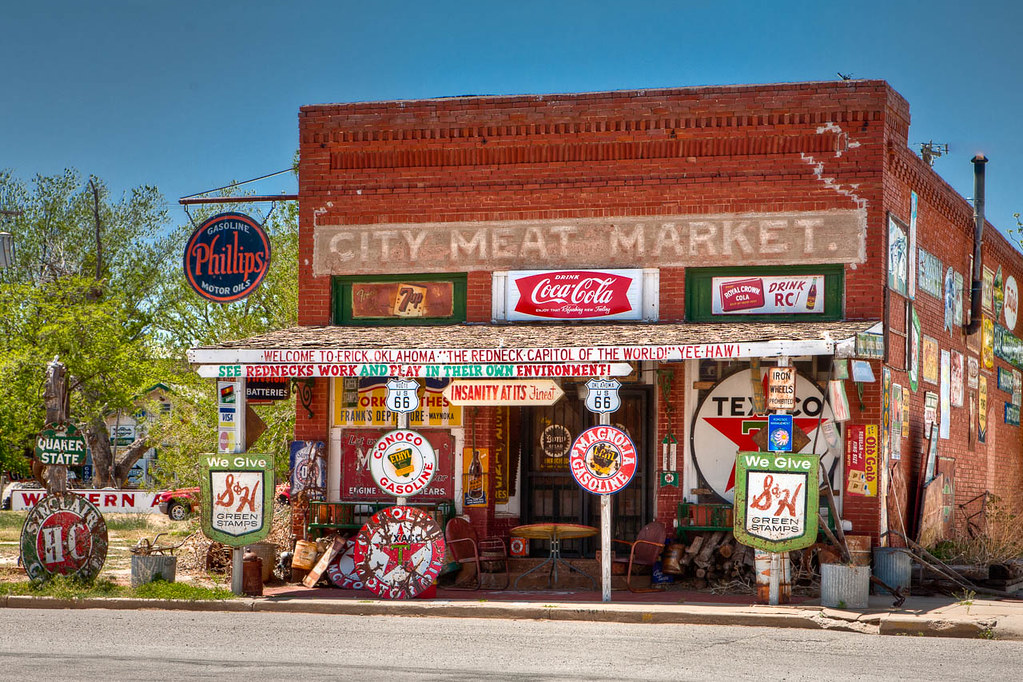
A vibrant roadside attraction housed in Erick’s oldest brick building, previously a meat market, now packed with vintage signs and eccentric treasures
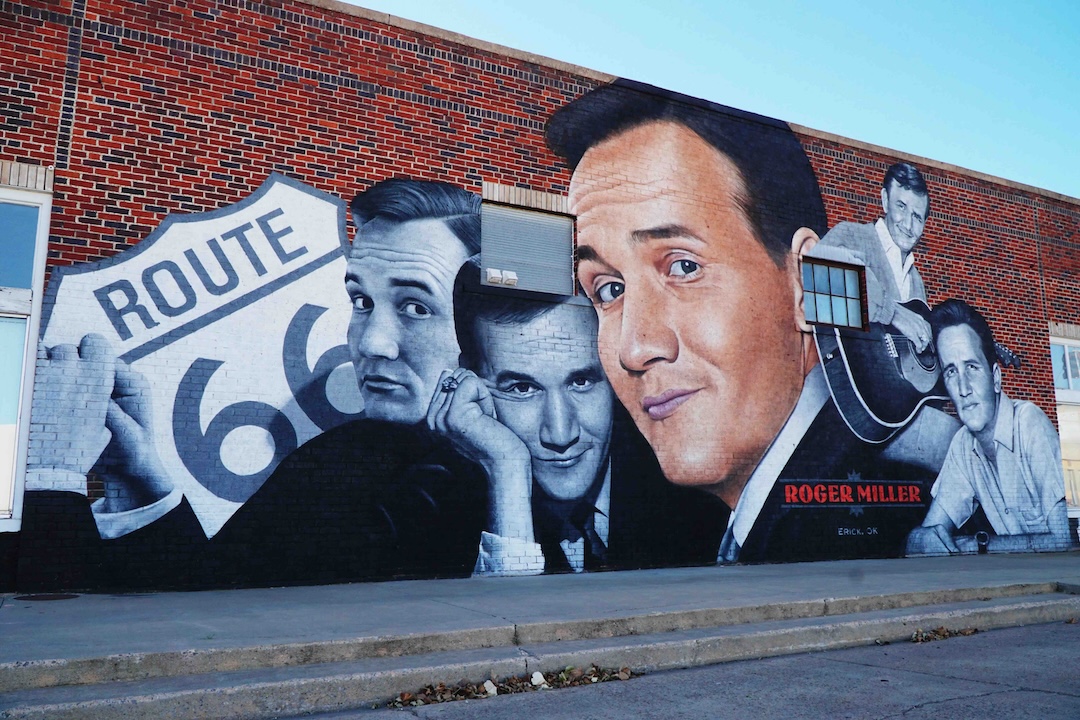
Celebrating the town's Route 66 heritage and western Oklahoma culture with colorful public art.
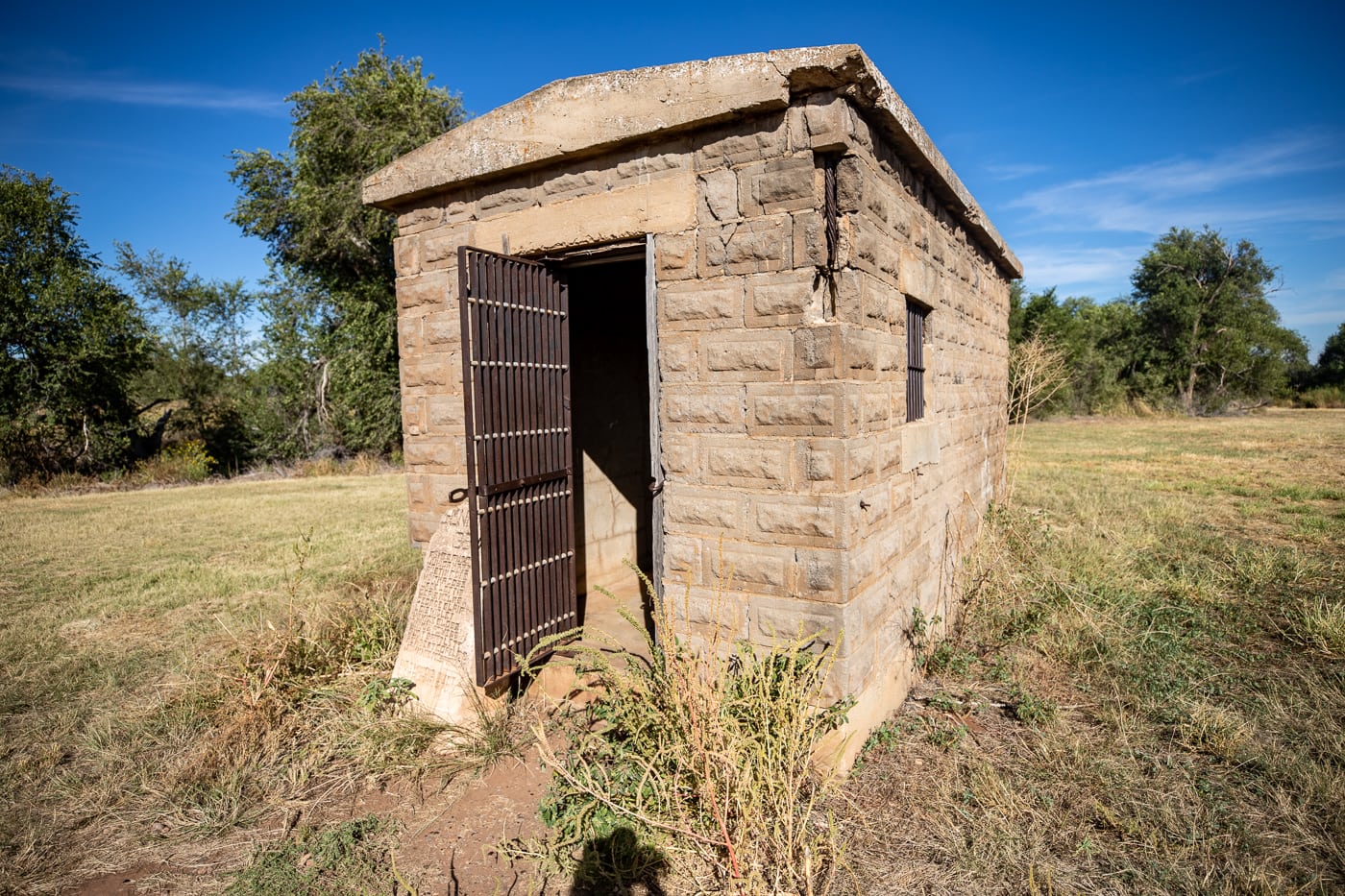
Tiny old lockup on the edge of town, representing frontier justice in this border community.
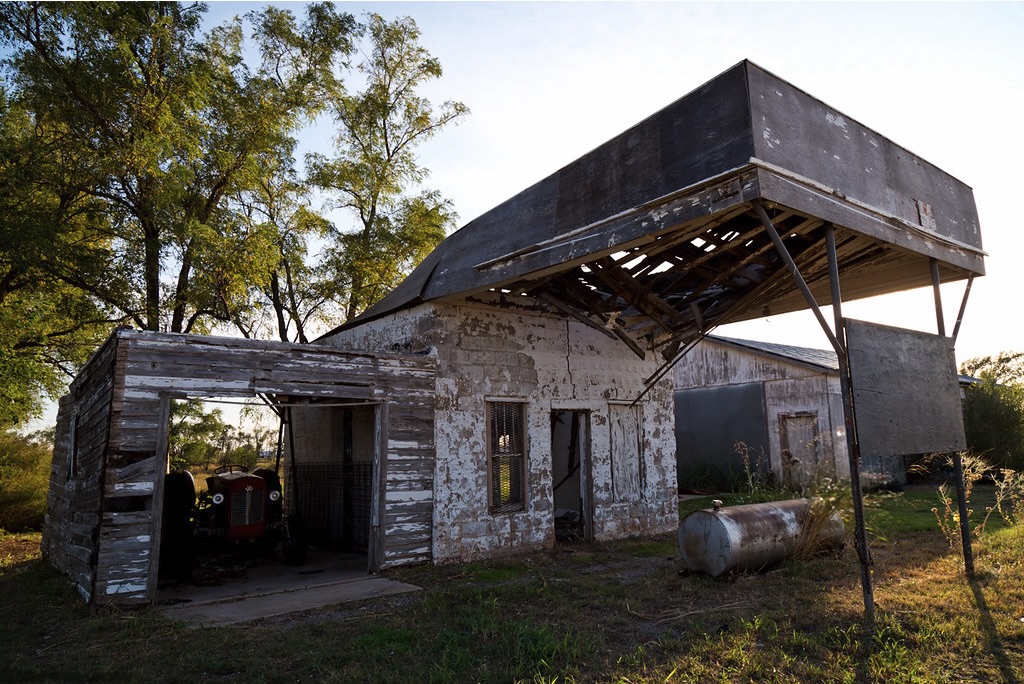
Rustic building just before the Texas border, marking the end of Oklahoma's Route 66 journey.