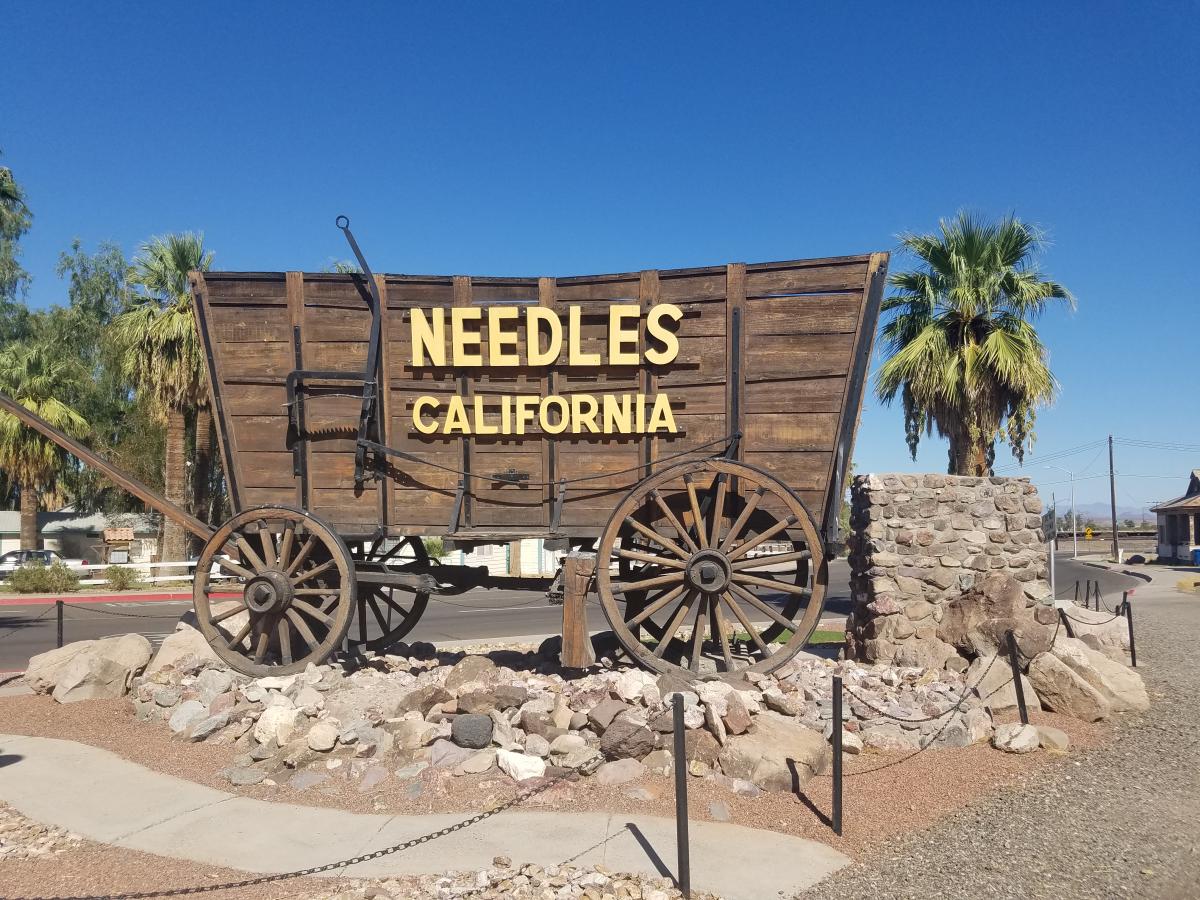
This sign marks the welcoming point into California along Route 66 and is considered one of the most iconic gateways on the Mother Road.
The final destination where Route 66 ends at the Pacific Ocean in Santa Monica.
This sign marks the welcoming point into California along Route 66 and is considered one of the most iconic gateways on the Mother Road.
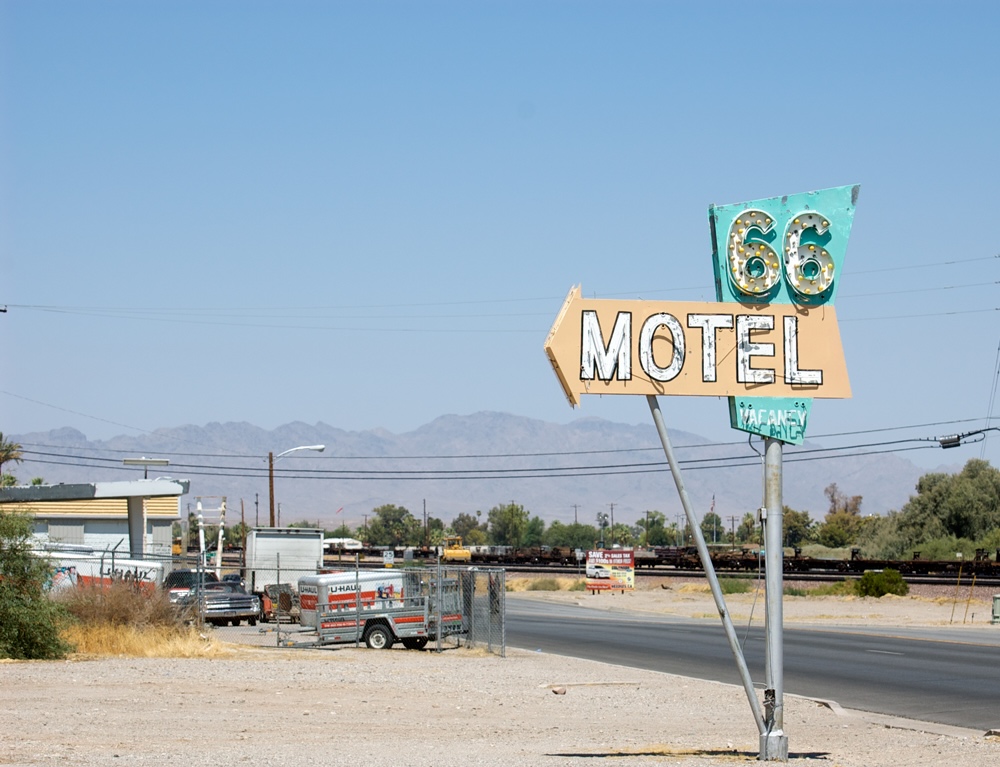
Classic neon landmark representing the golden age of Route 66 motor courts and roadside hospitality.
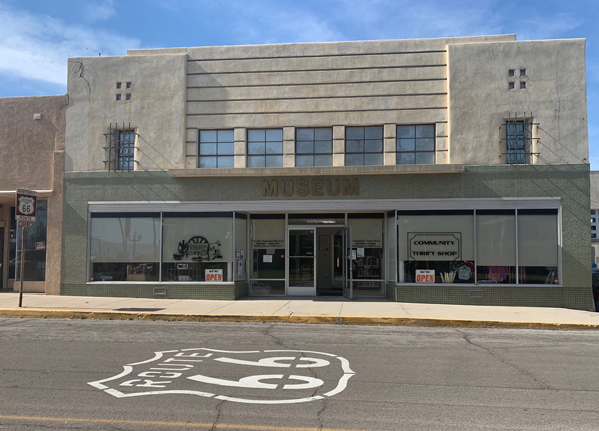
Route 66 and railroad exhibits chronicling the town's role as a desert transportation hub.
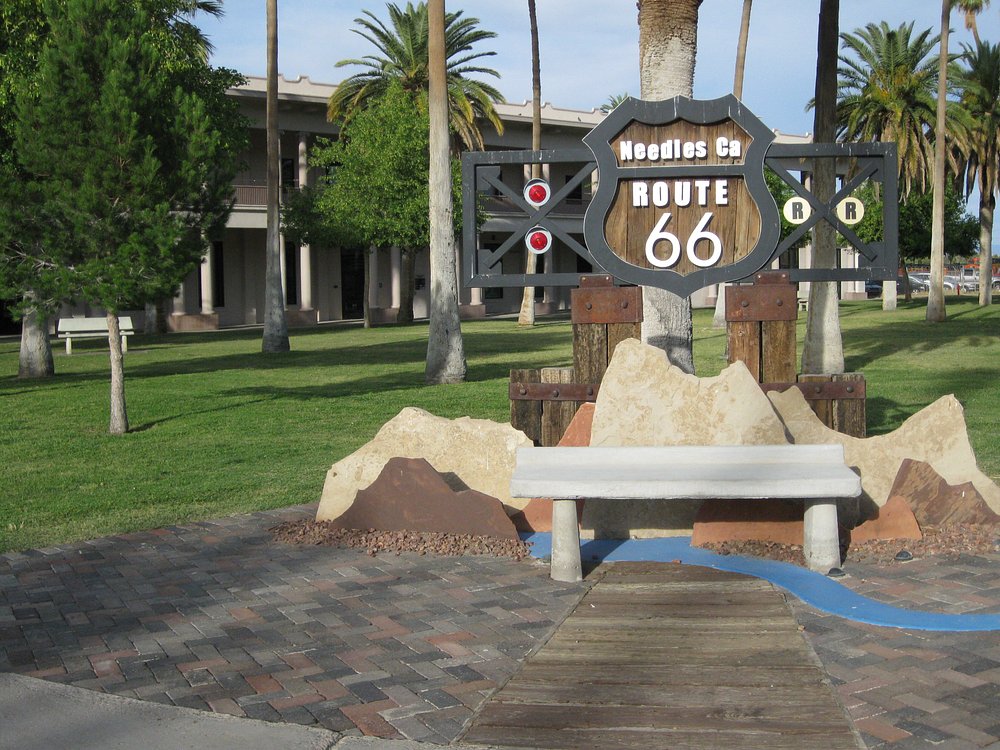
Restored Harvey House building showcasing the elegant era of railroad travel and hospitality.
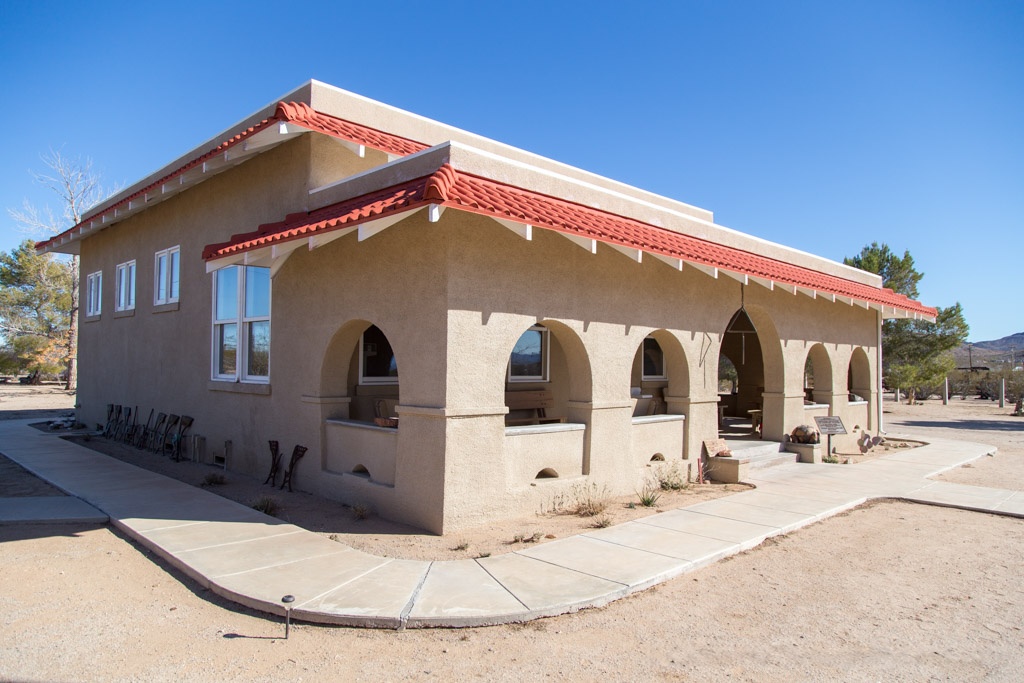
Restored 1914 schoolhouse with mining and Route 66 exhibits showcasing Mojave Desert history.
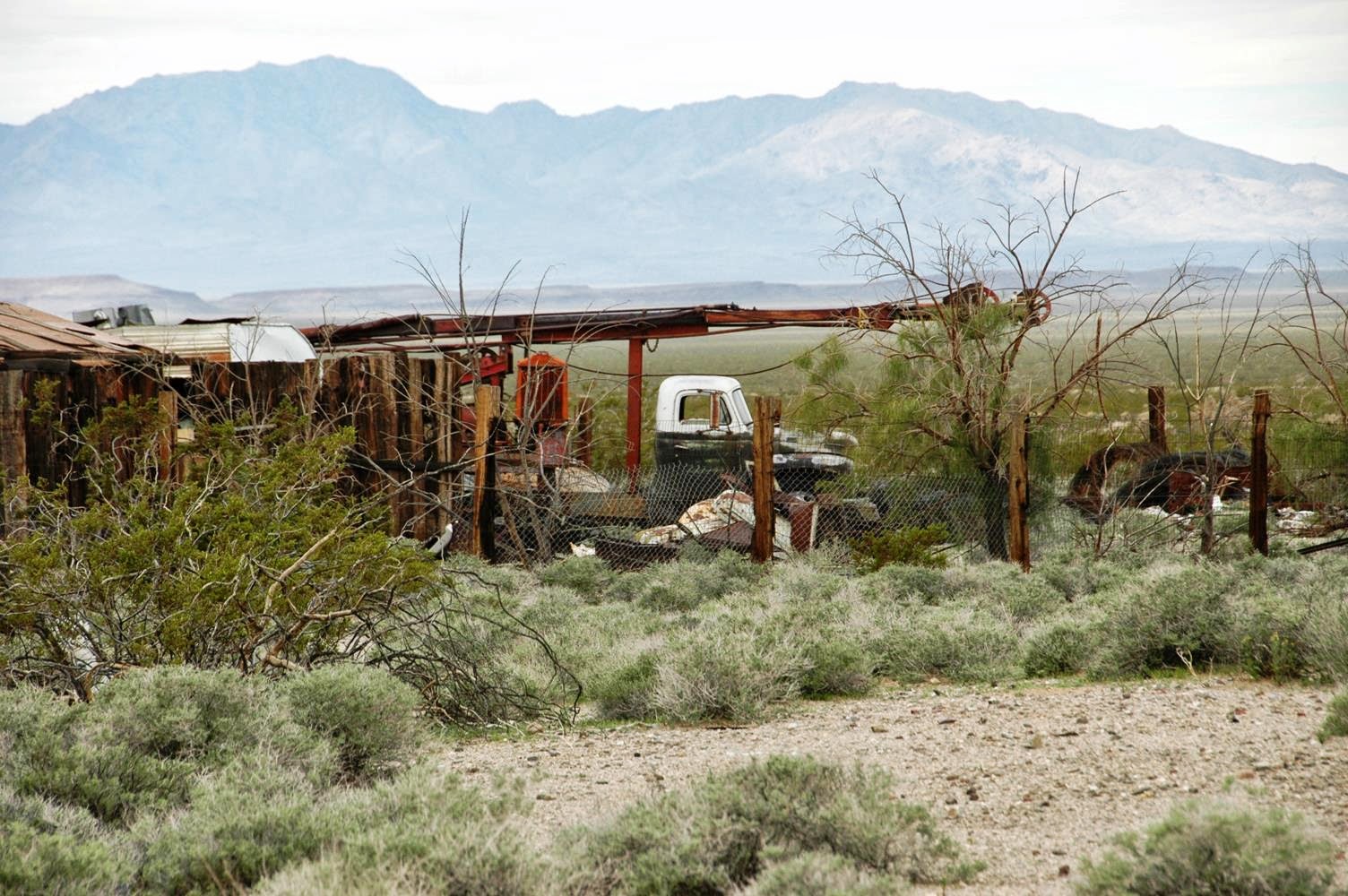
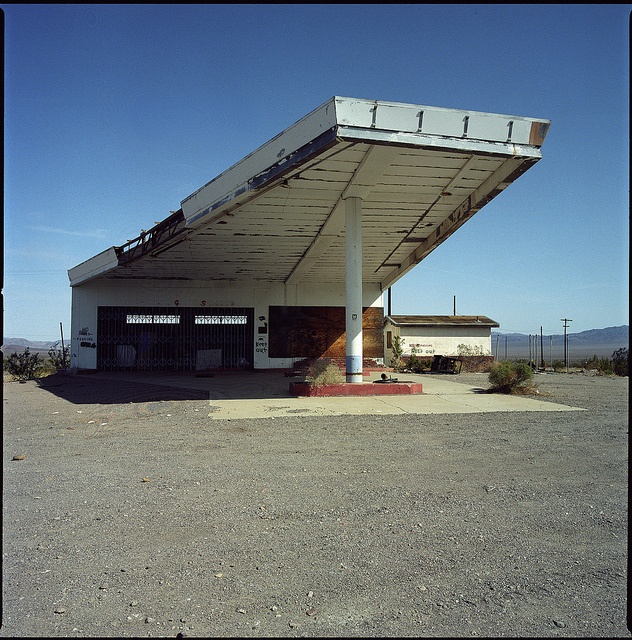
Abandoned cafes, gas stations, and motels from Route 66's heyday, evoking the romance of the open road.
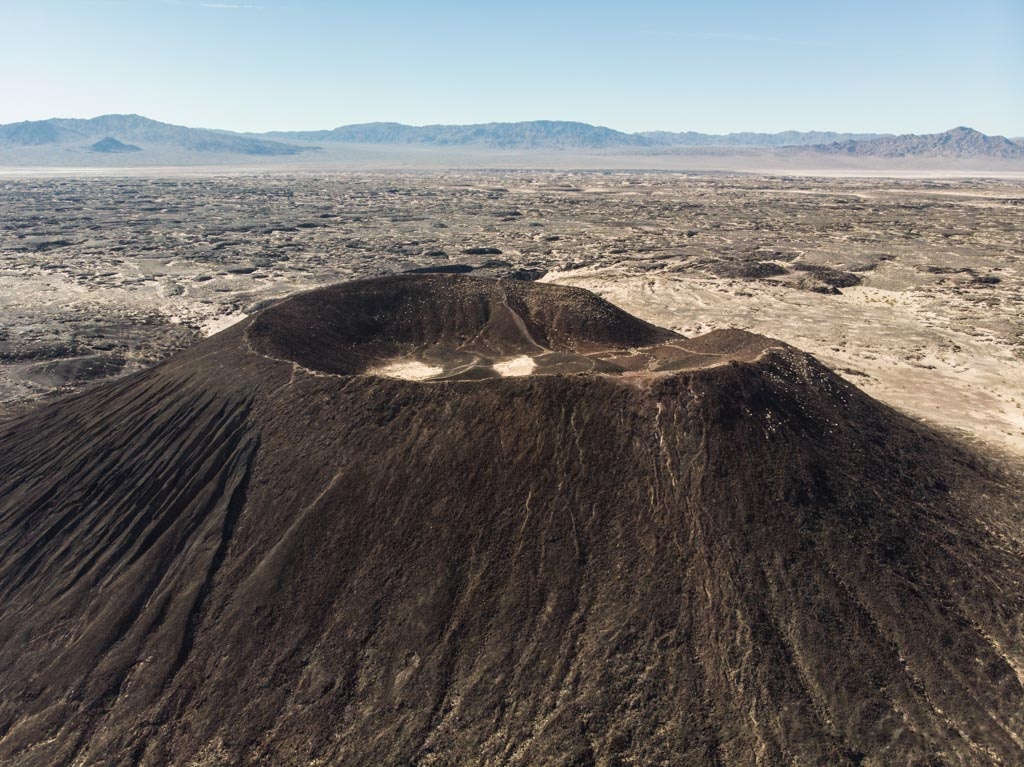
Extinct volcanic cinder cone offering hiking and spectacular photo opportunities in the Mojave Desert.
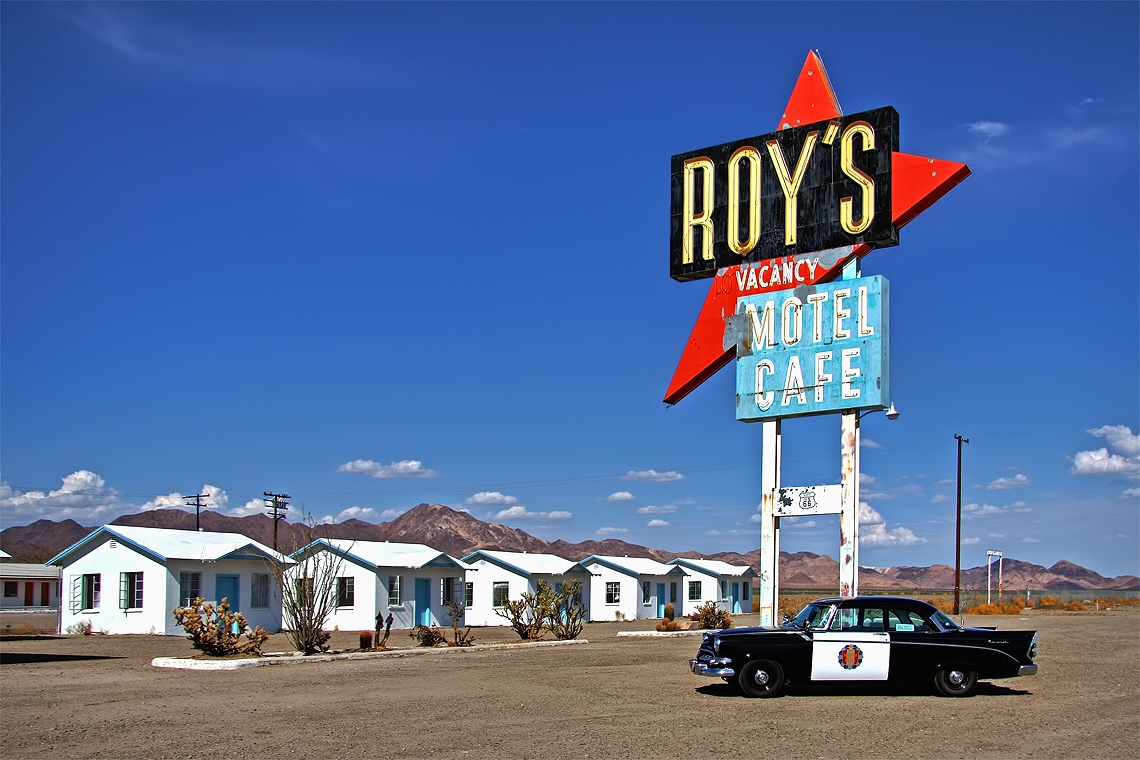
One of the most iconic signs and mid-century modern buildings on the entire route, a true Route 66 legend.
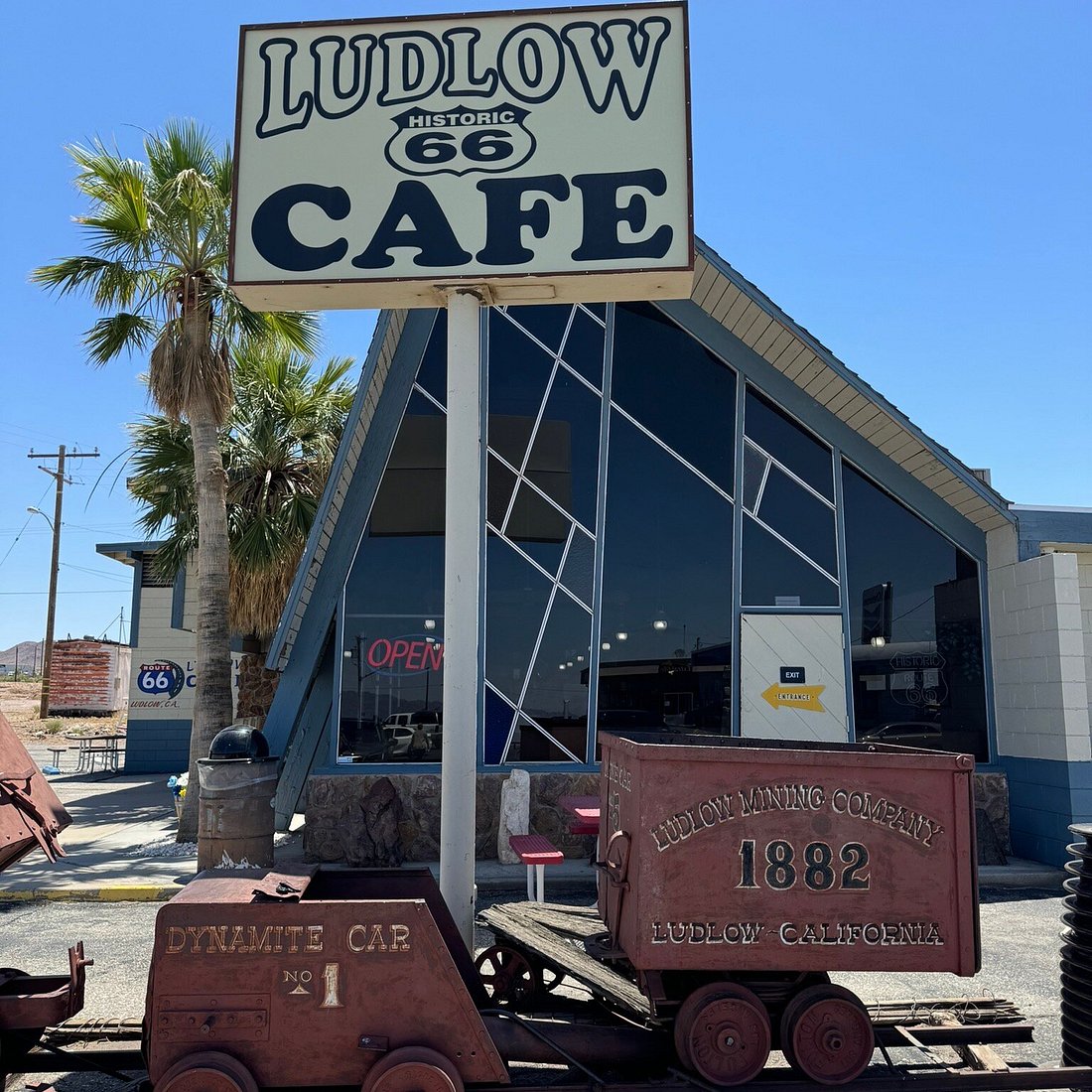
Vintage highway stop representing the classic Route 66 roadside experience in the Mojave Desert.
Route 66 decay and photography gold, showcasing the abandoned infrastructure of America's Mother Road.
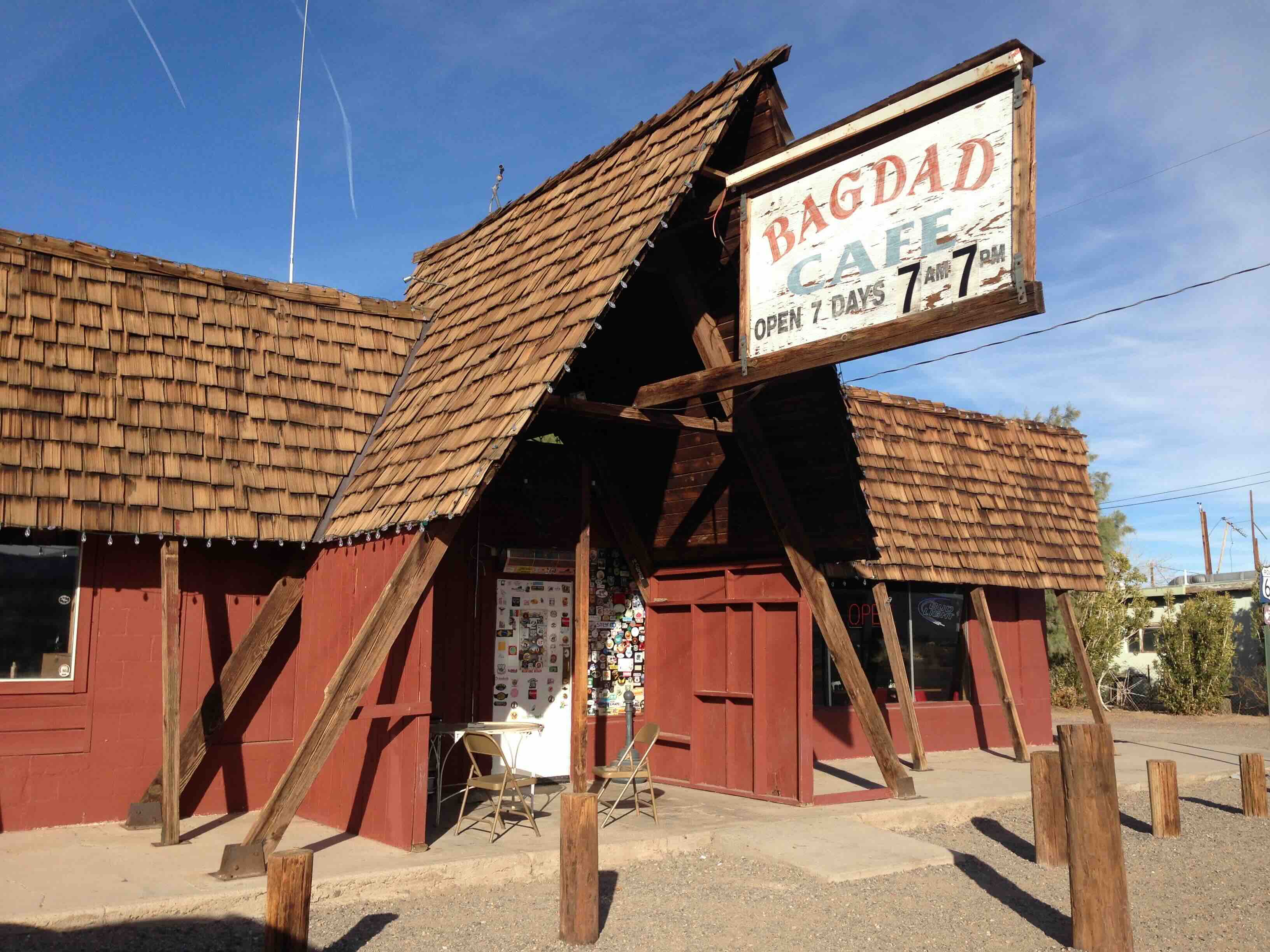
Filming location of the 1987 cult movie; still serving Route 66 travelers with desert hospitality.
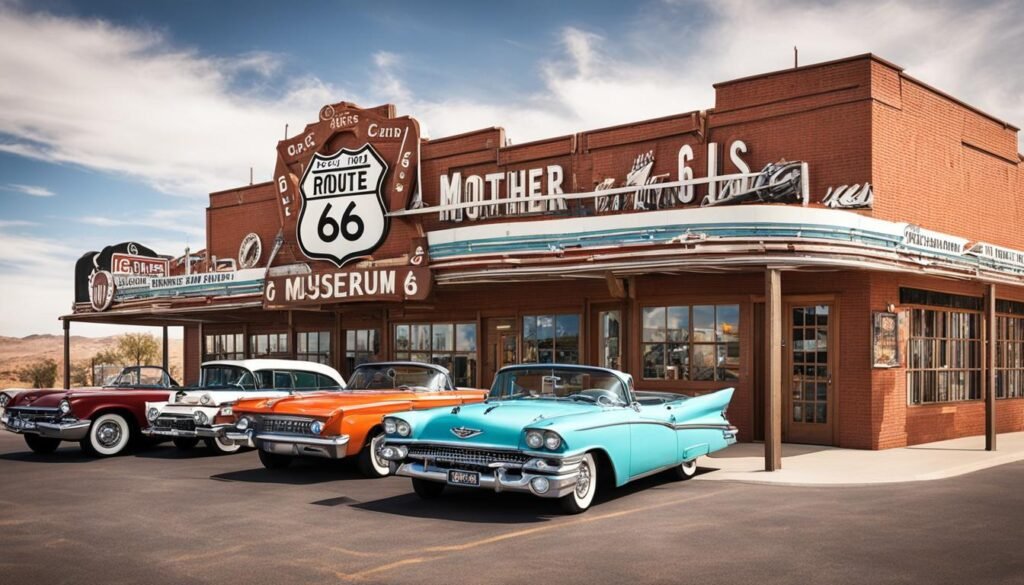
Located in the historic Casa del Desierto Harvey House, comprehensive Route 66 exhibits and memorabilia.
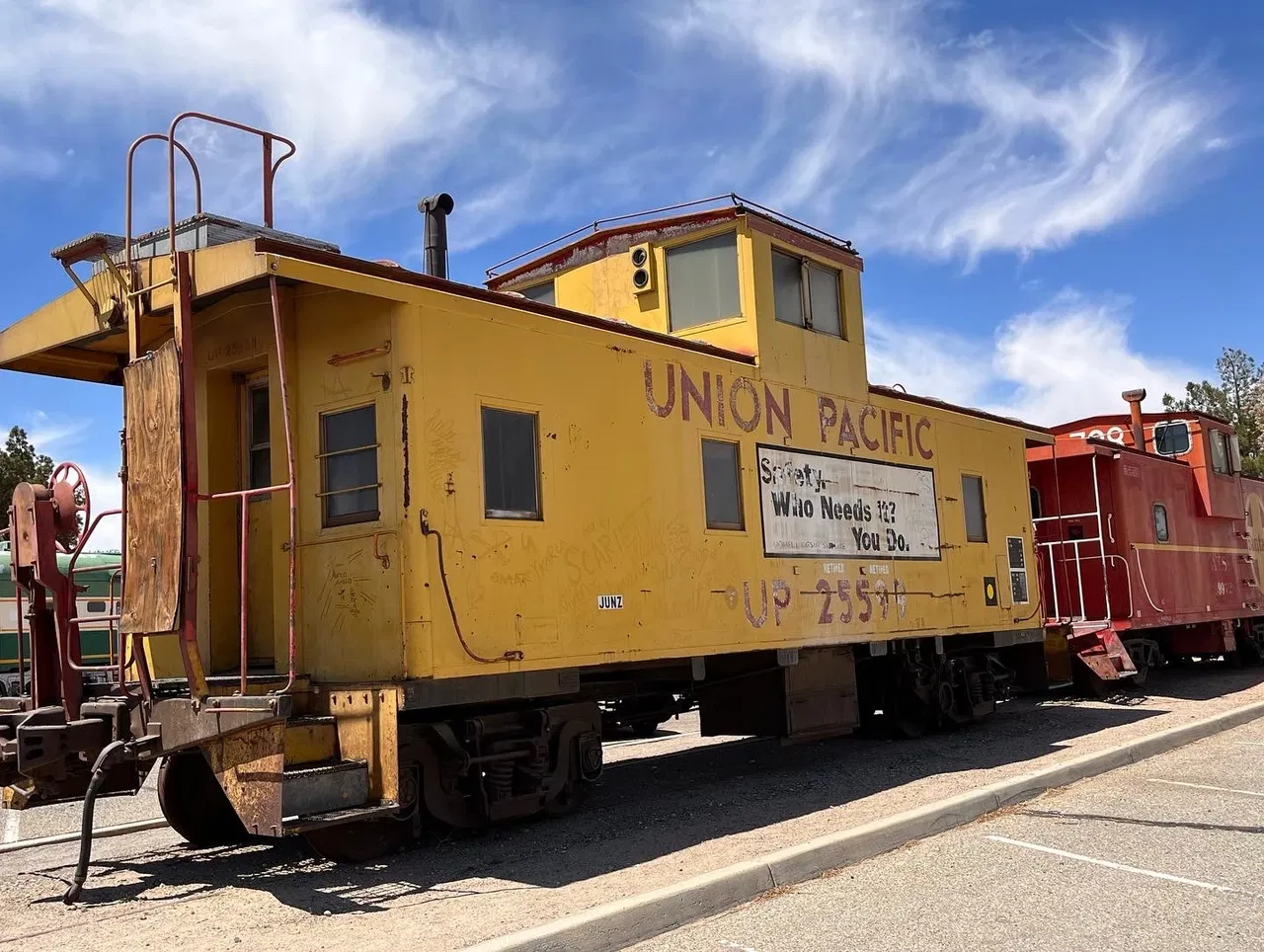
Next to the Route 66 museum, showcasing the railroad heritage that preceded the automobile age.
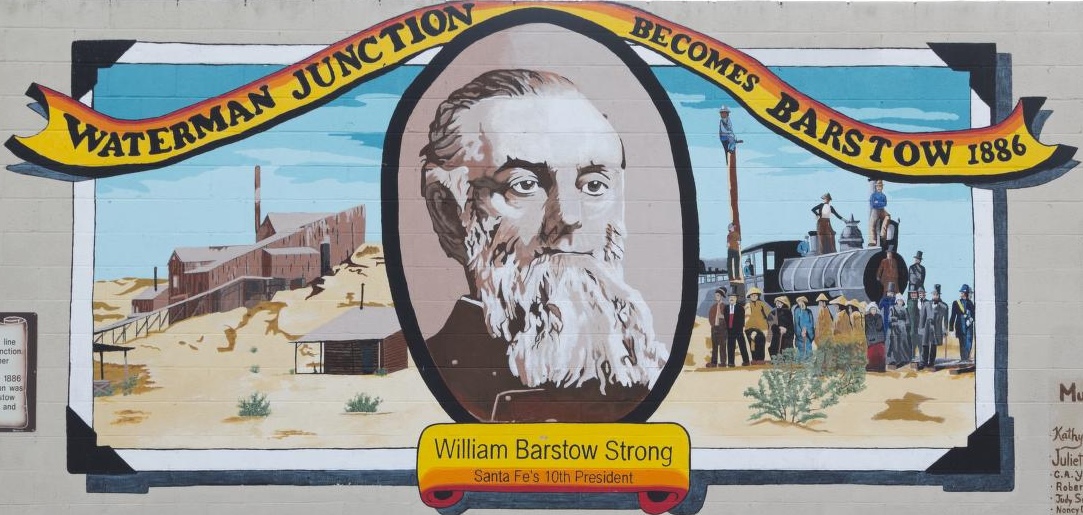
Over 20 murals depicting the town's history, Route 66 heritage, and desert culture.
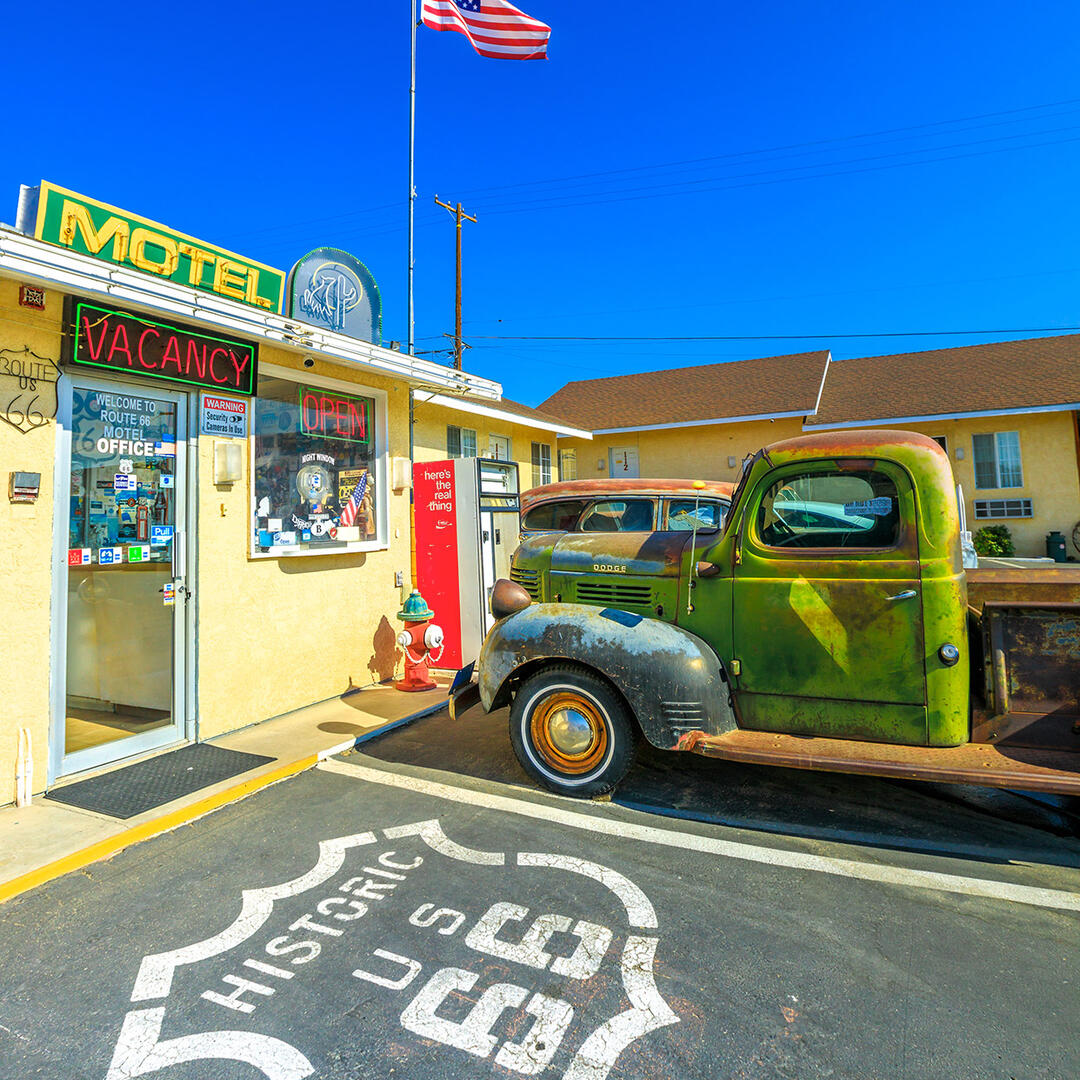
Classic neon signage representing the golden age of Route 66 motor courts.
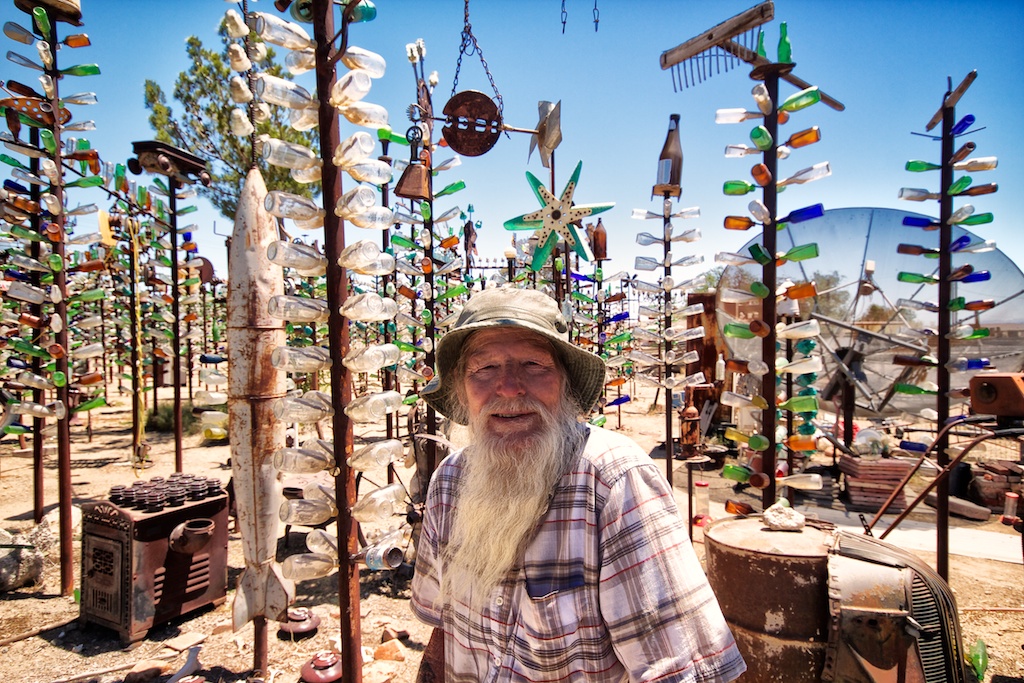
Folk art garden of welded trees with colorful glass bottles, a whimsical roadside attraction.
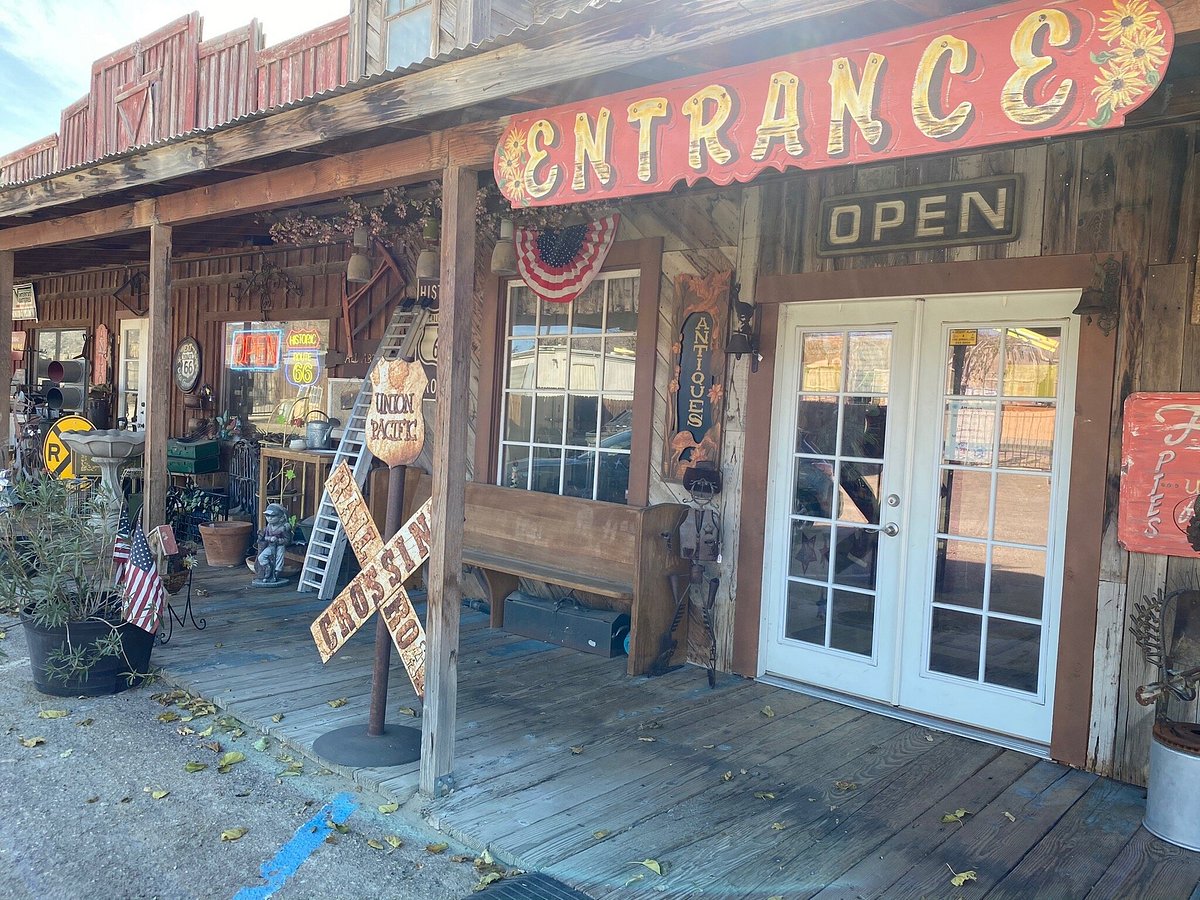
Roadside antique and junkyard oddities offering treasures and curiosities from bygone eras.
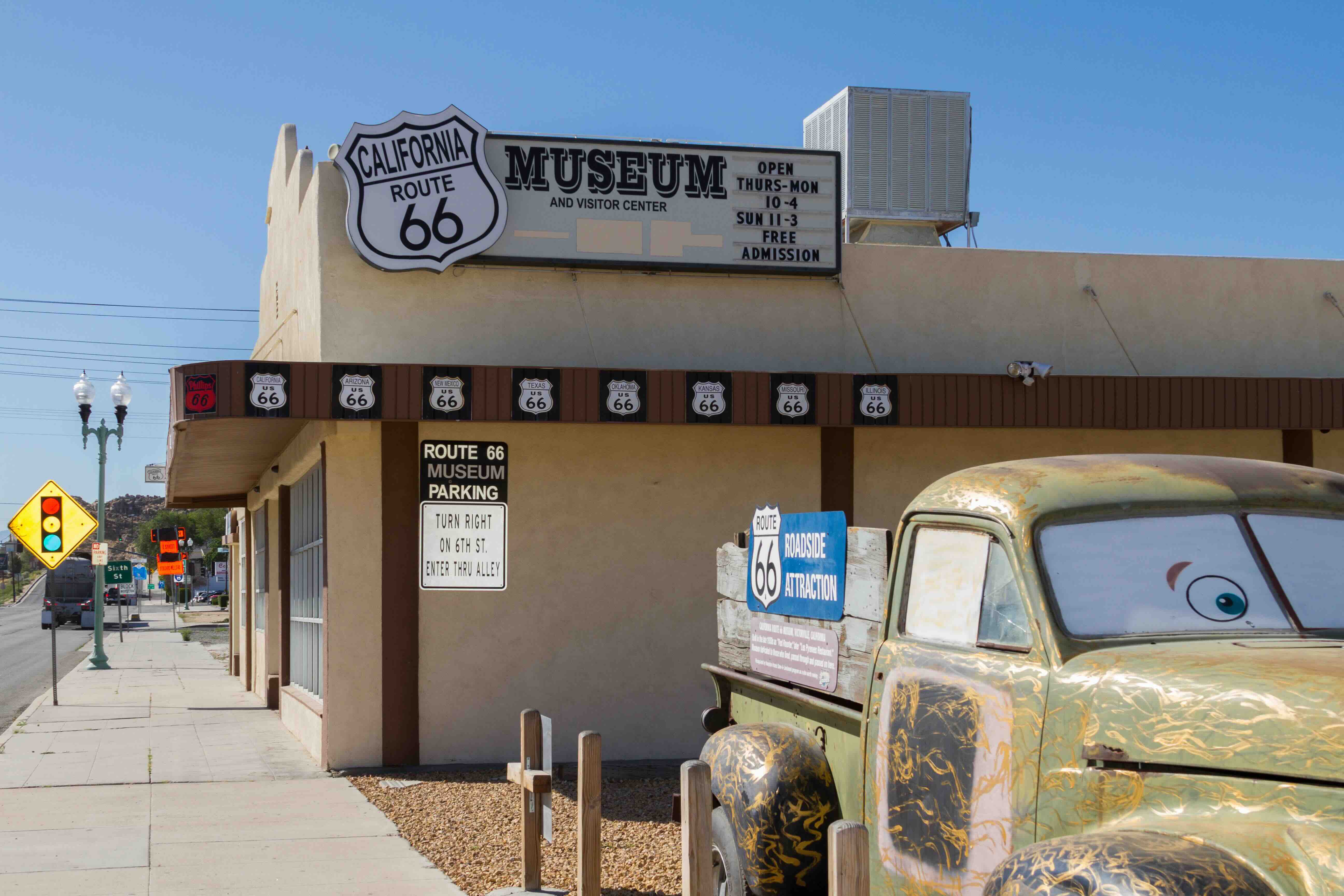
Interactive and photo-friendly museum celebrating California's Route 66 heritage and culture.
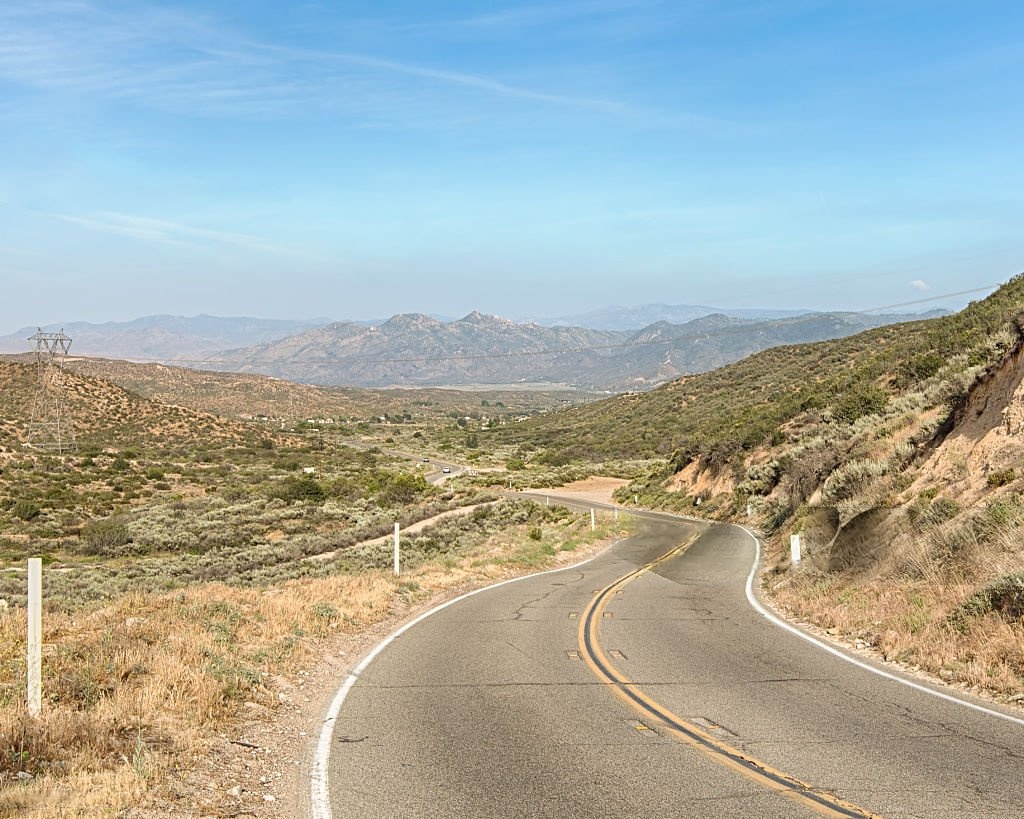
Dramatic landscape between desert and mountains, showcasing California's diverse geography.
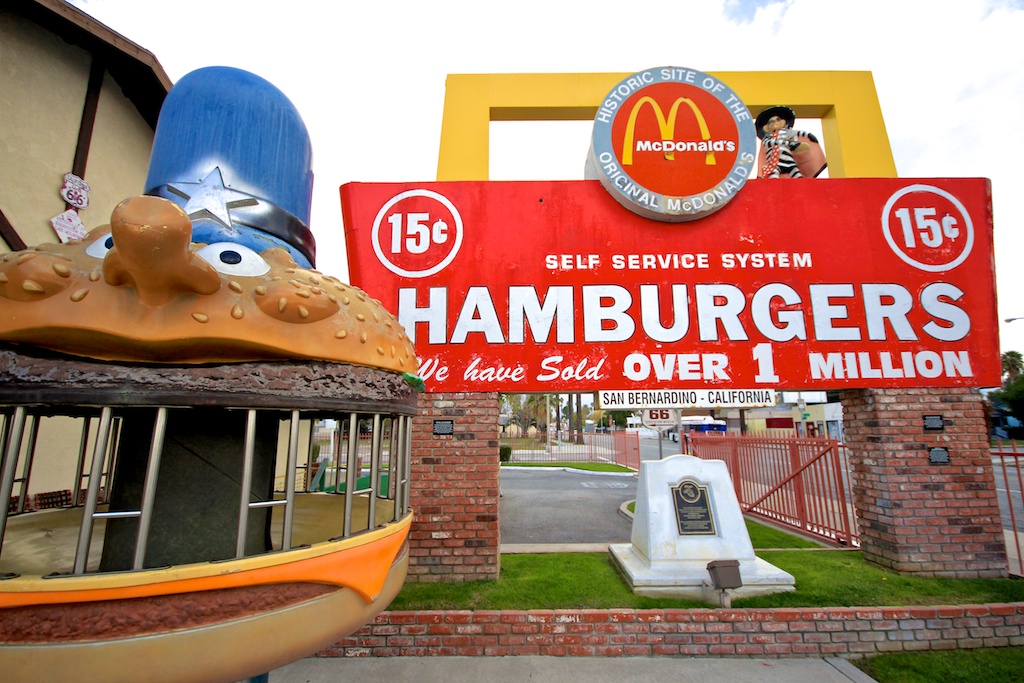
Built on the site of the first McDonald's (1940), showcasing the birth of fast food culture.
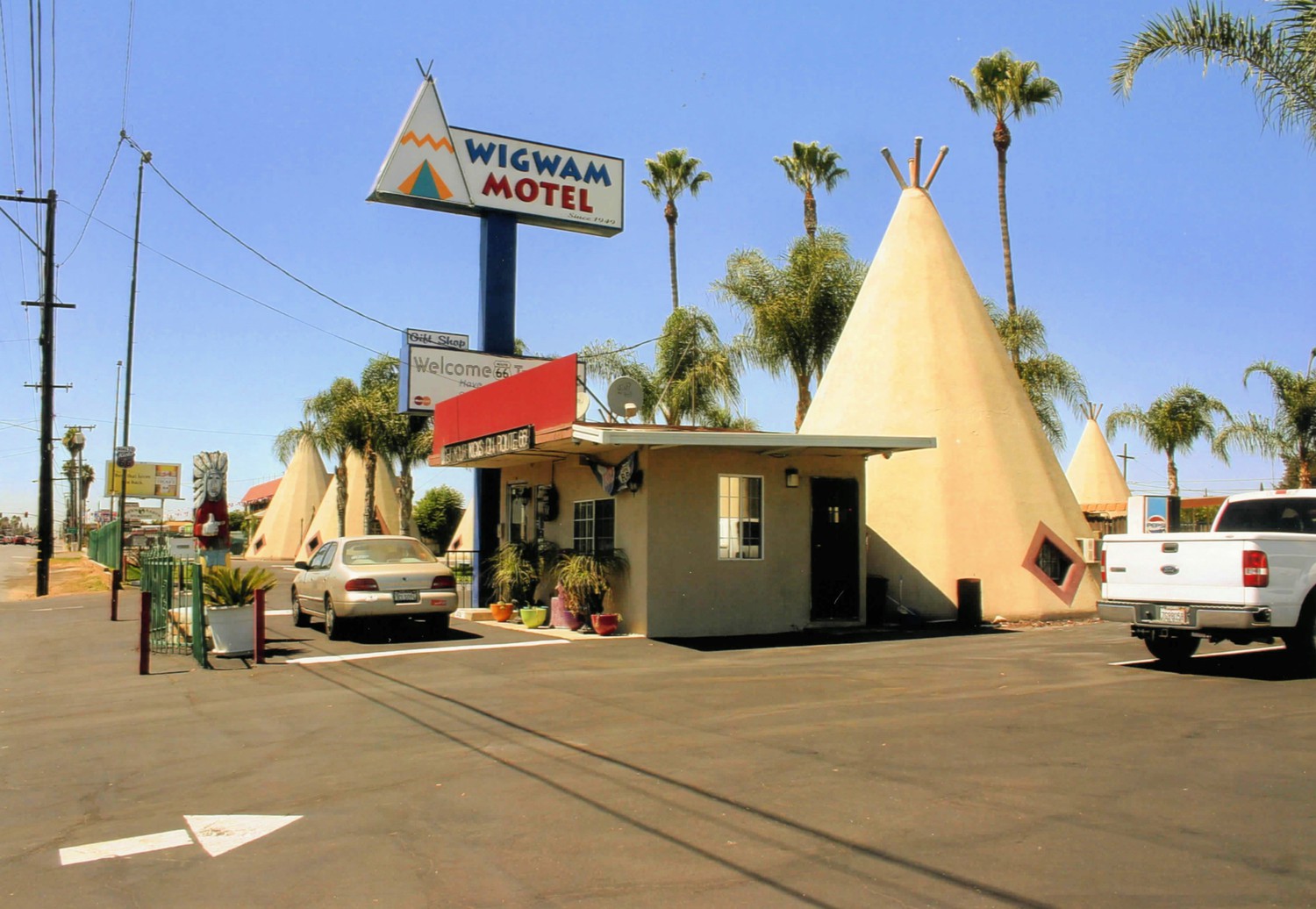
Another "sleep in a teepee" motor court, one of the last surviving wigwam motels on Route 66.
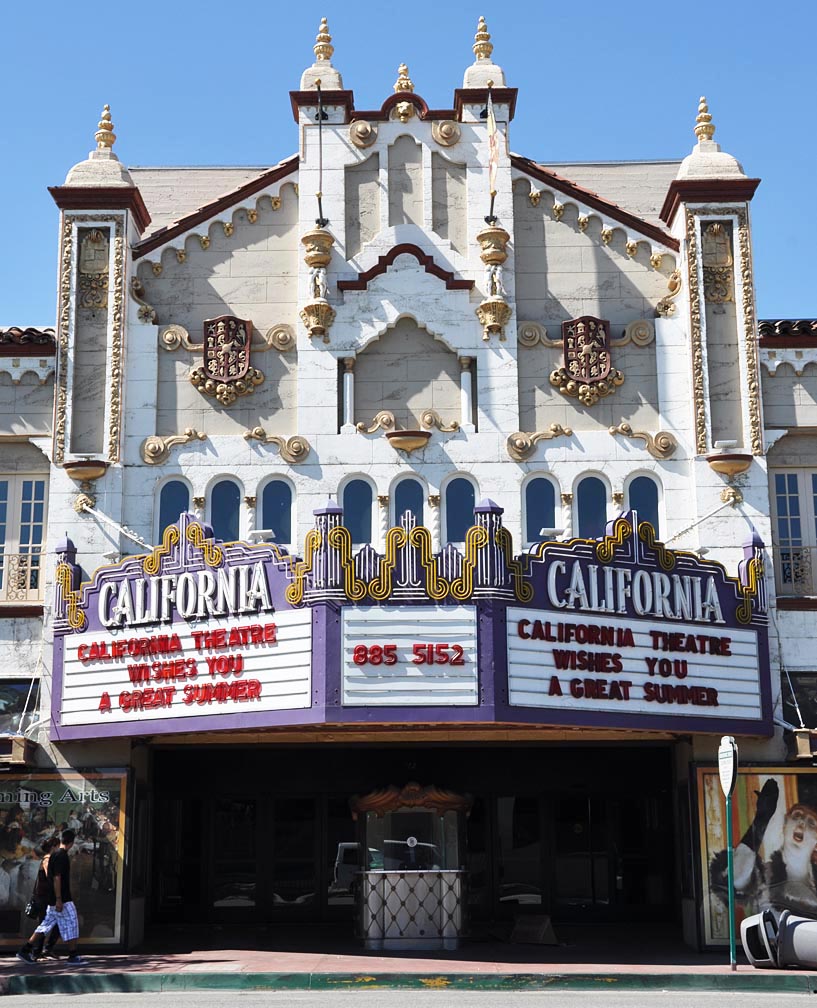
Built in 1928, showcasing the entertainment culture that flourished along Route 66.
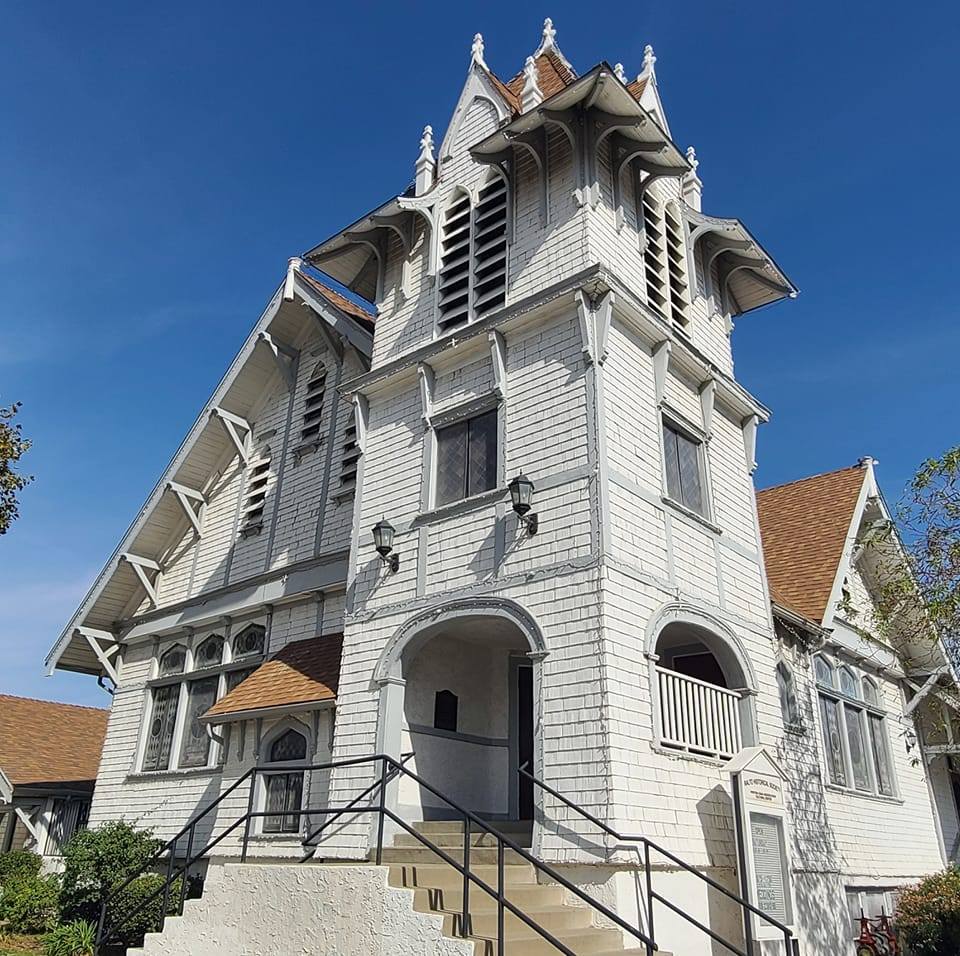
Route 66 items included in exhibits showcasing local history and highway heritage.
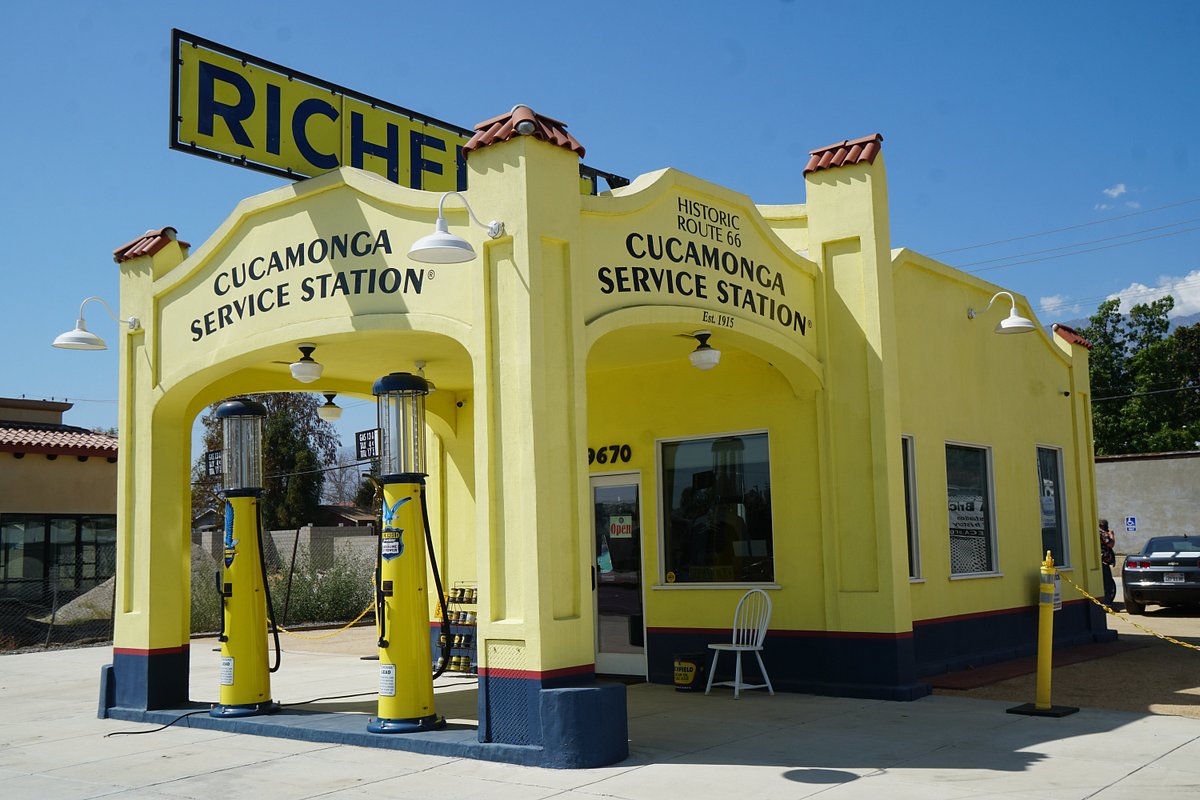
Fully restored 1915 gas station with a museum, one of the oldest surviving stations in California.
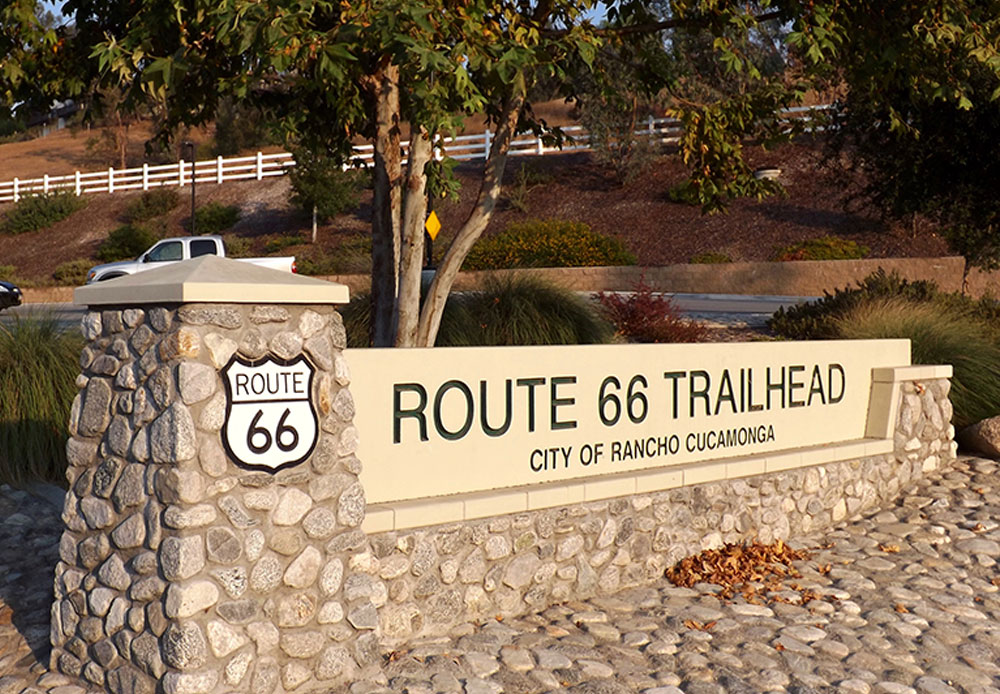
Starting point for Route 66 trail in the city, marking the historic highway's path through California.
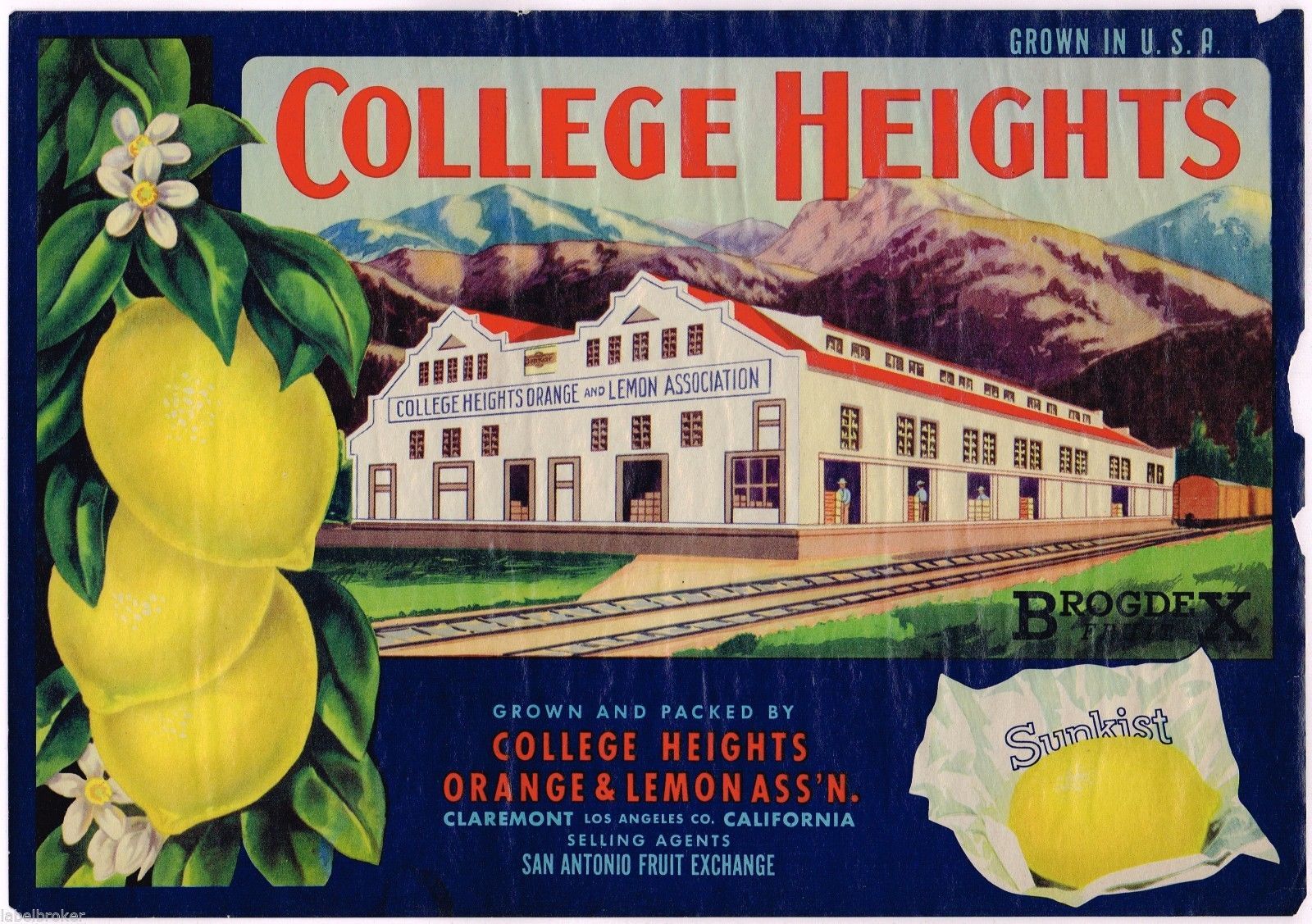
Historic citrus industry building representing California's agricultural heritage along Route 66.
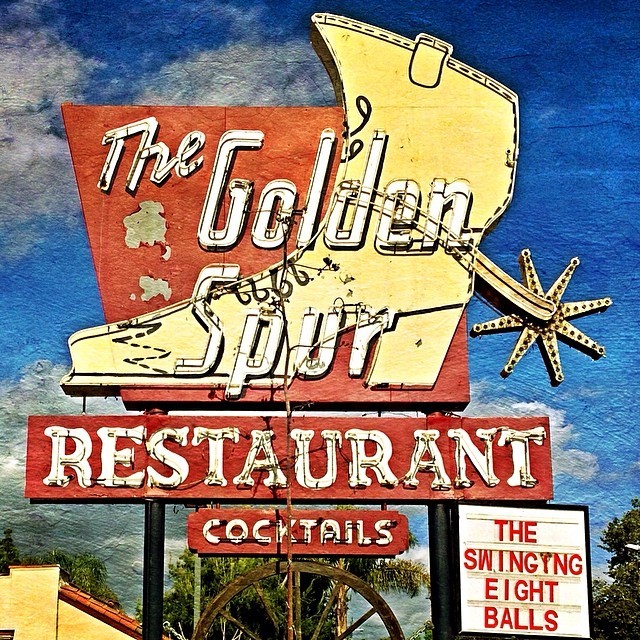
A classic SoCal fast-food deli chain, widely known for its “World Famous Pastrami” sandwiches and chili cheese fries.
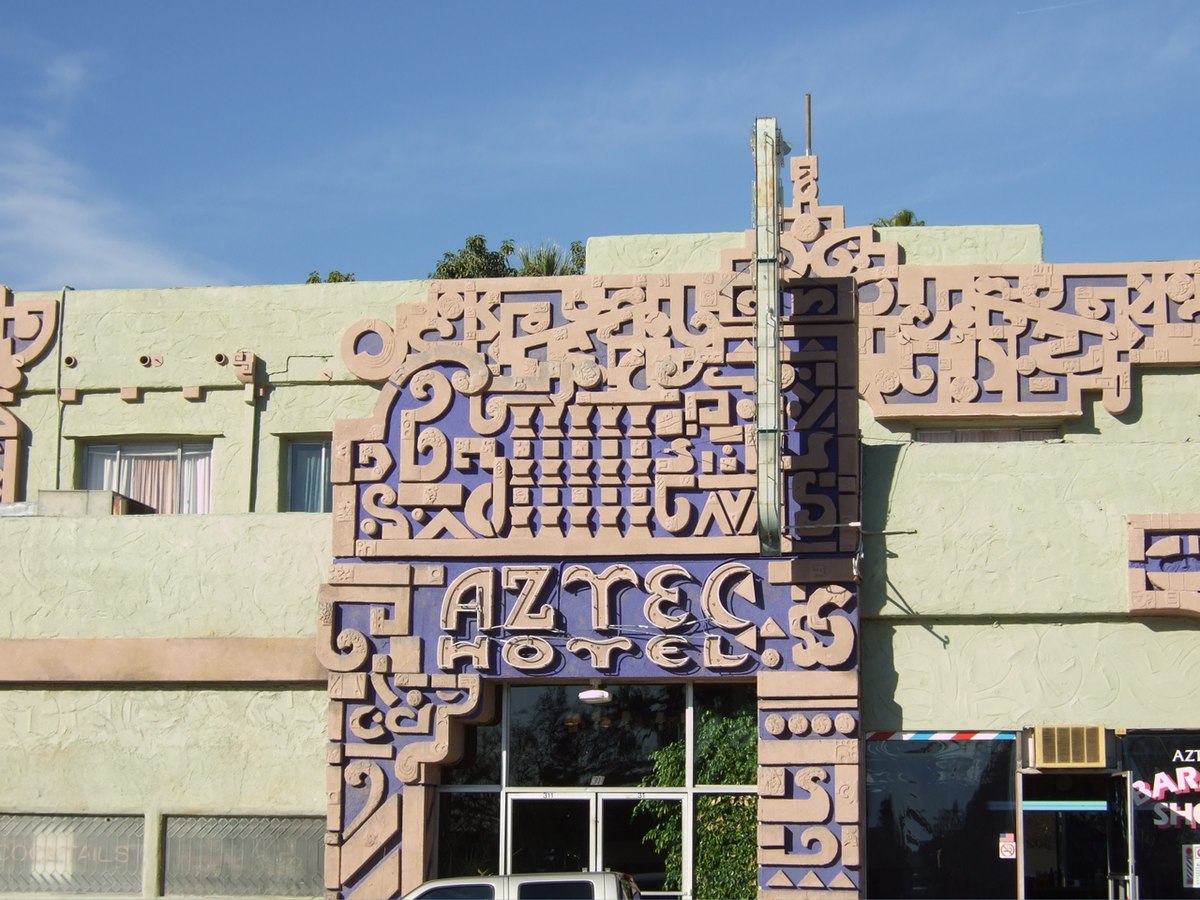
Mayan Revival architecture showcasing the exotic themes popular in 1920s roadside design.
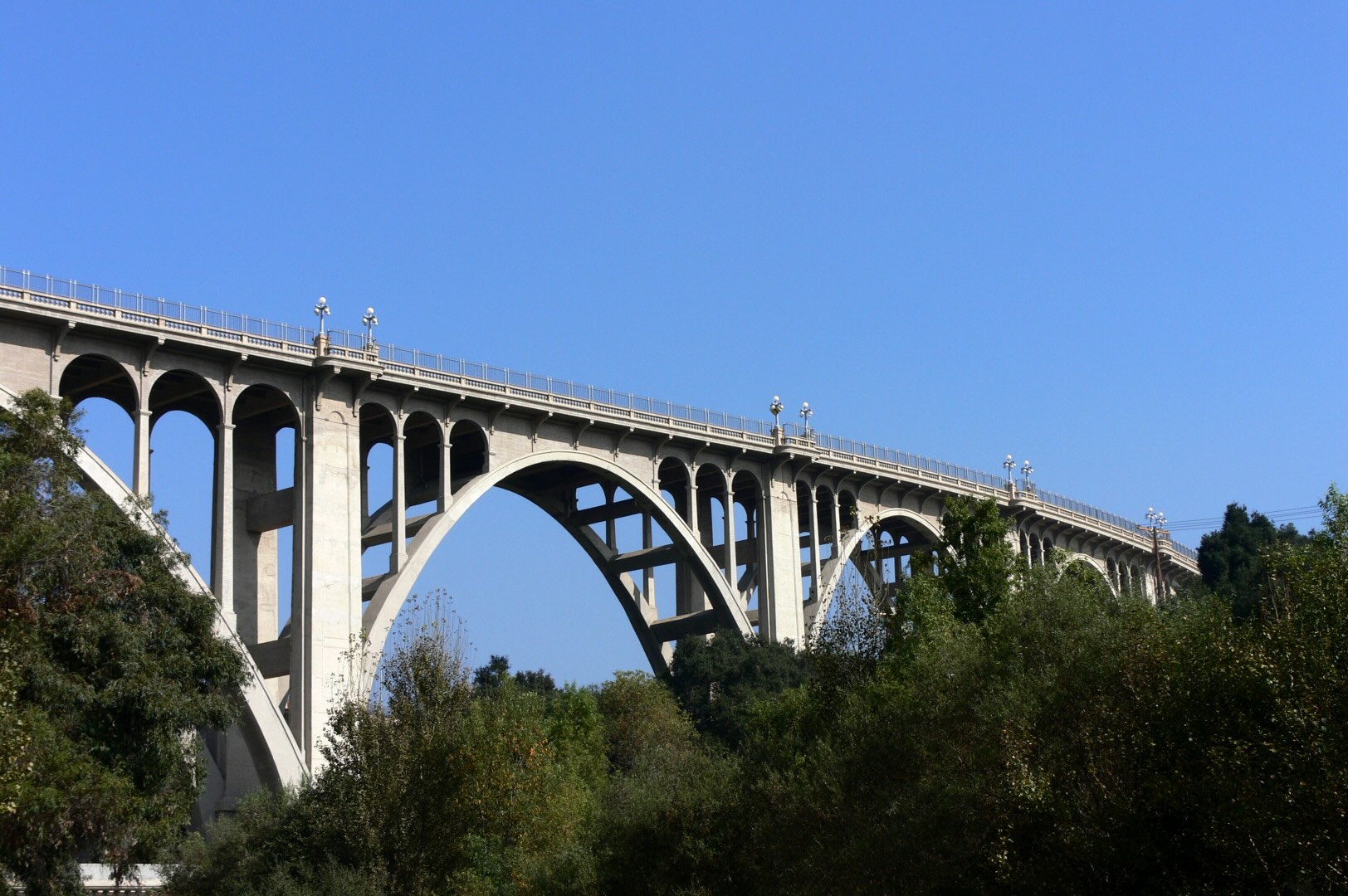
Iconic Beaux-Arts arch bridge (1913) representing the engineering marvels of the early automobile age.
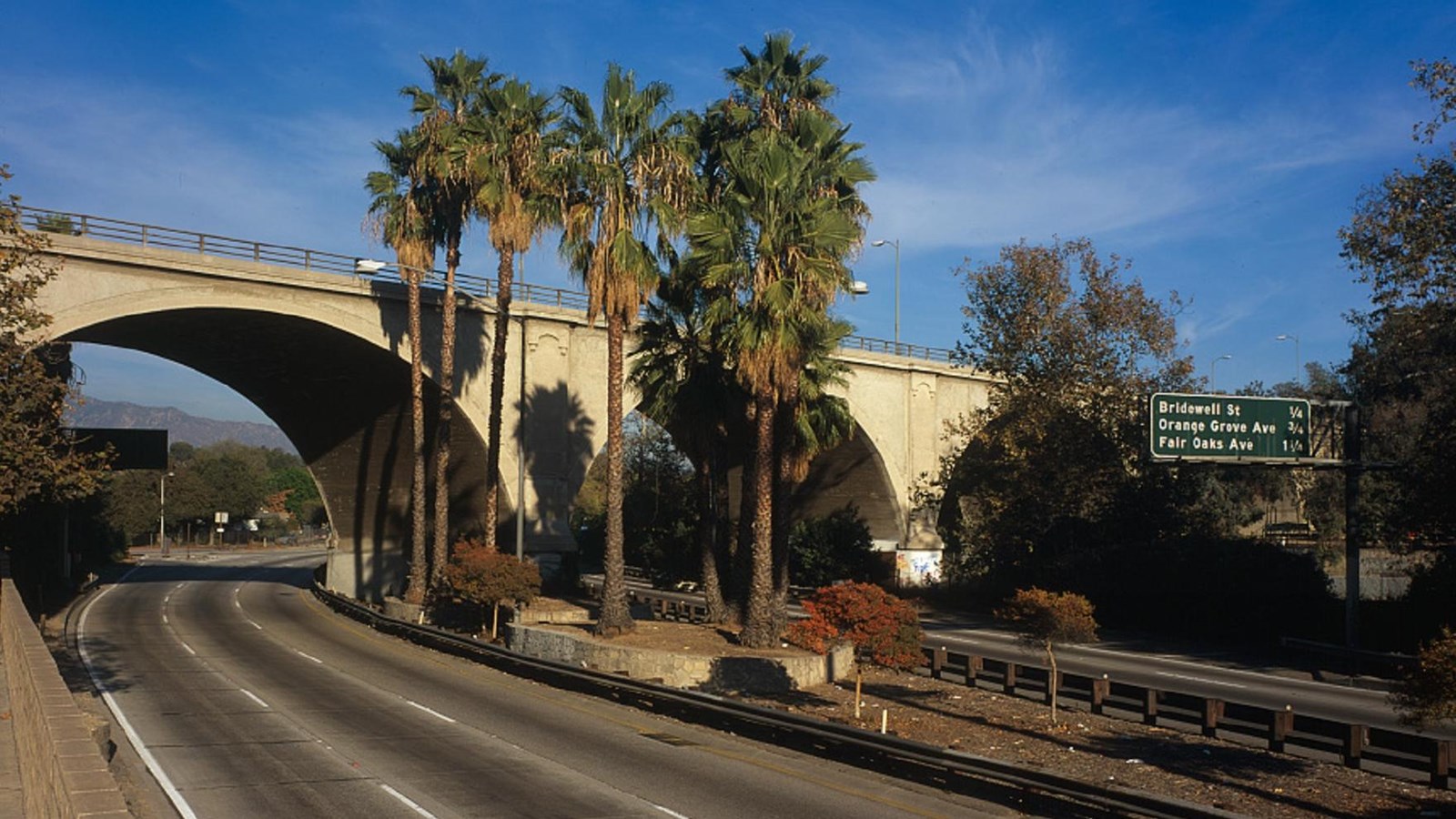
First freeway in the U.S., aligns with old Route 66, representing the evolution of American highways.
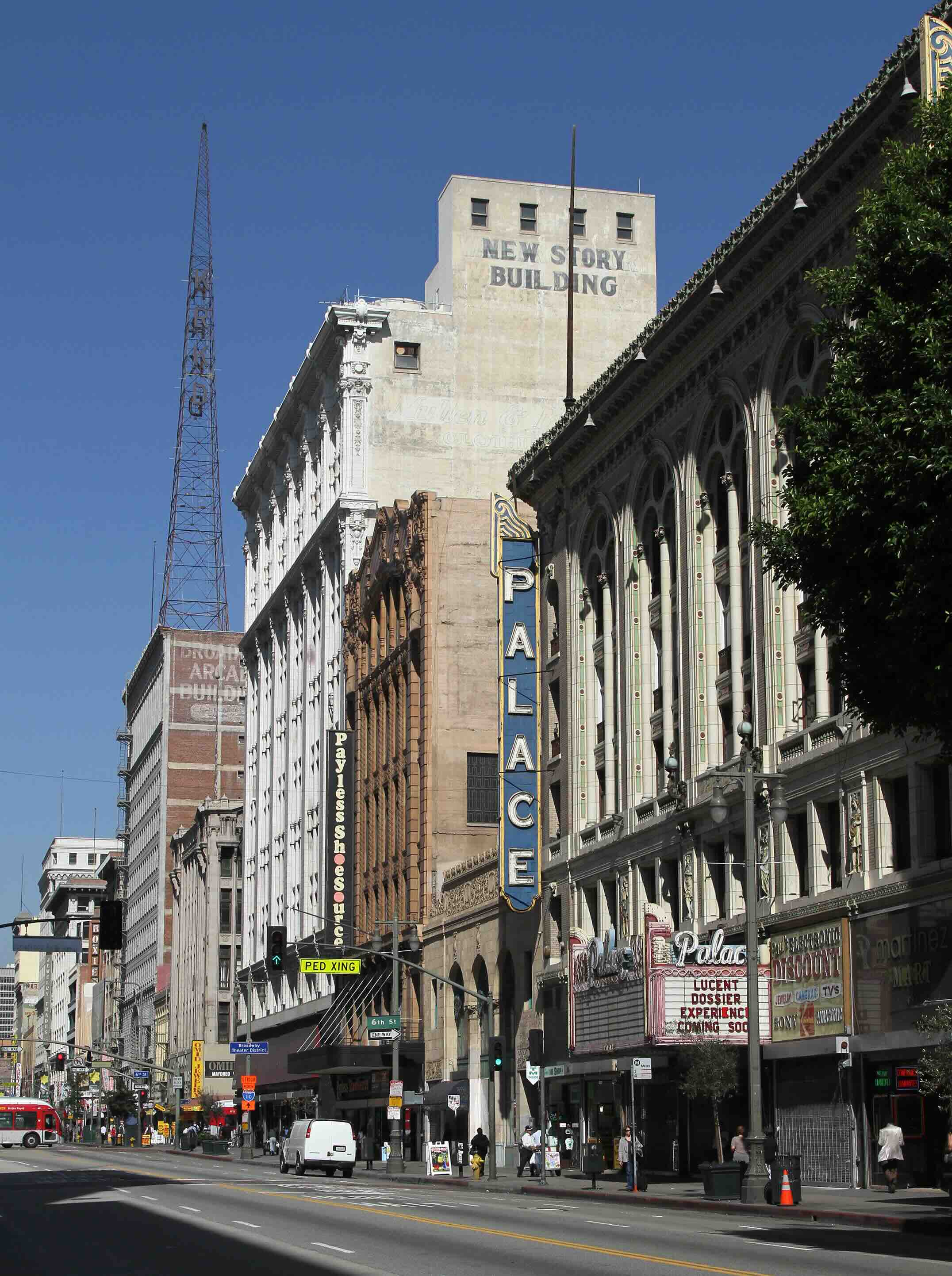
Vintage neon marquees and buildings representing the golden age of entertainment along Route 66.
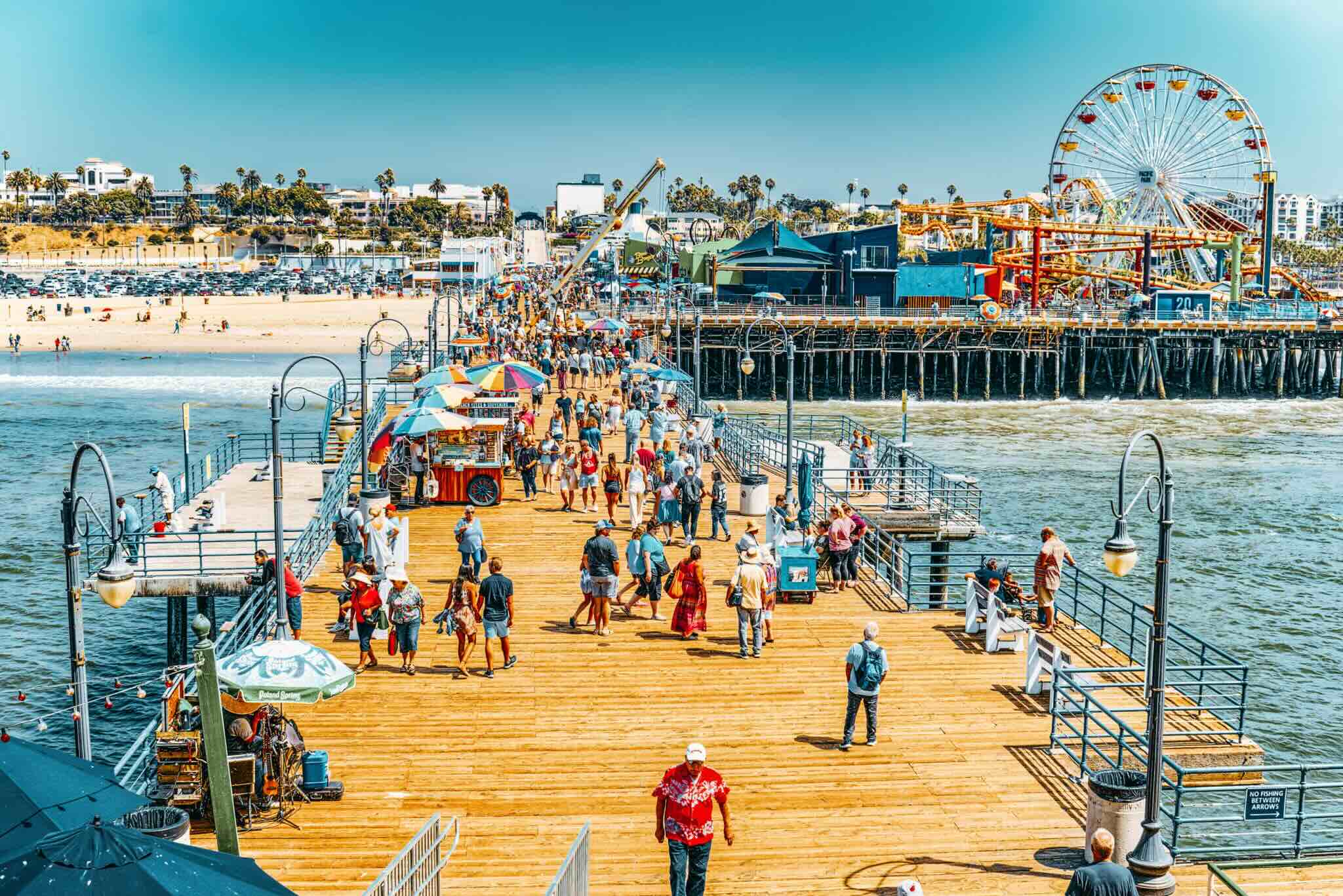
Iconic oceanfront landmark where Route 66 officially ends, featuring amusement rides and Pacific Ocean views.