
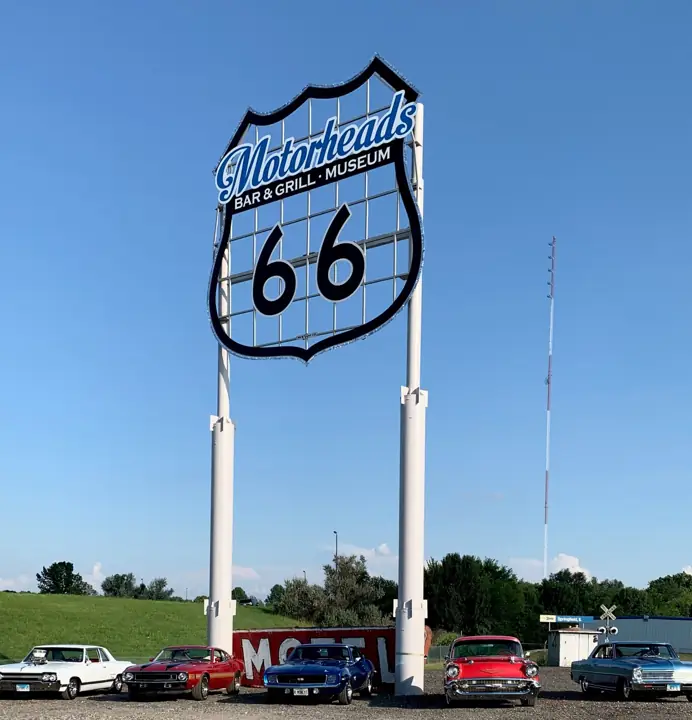
Full of memorabilia and classic cars, offering dining and Route 66 history under one roof.
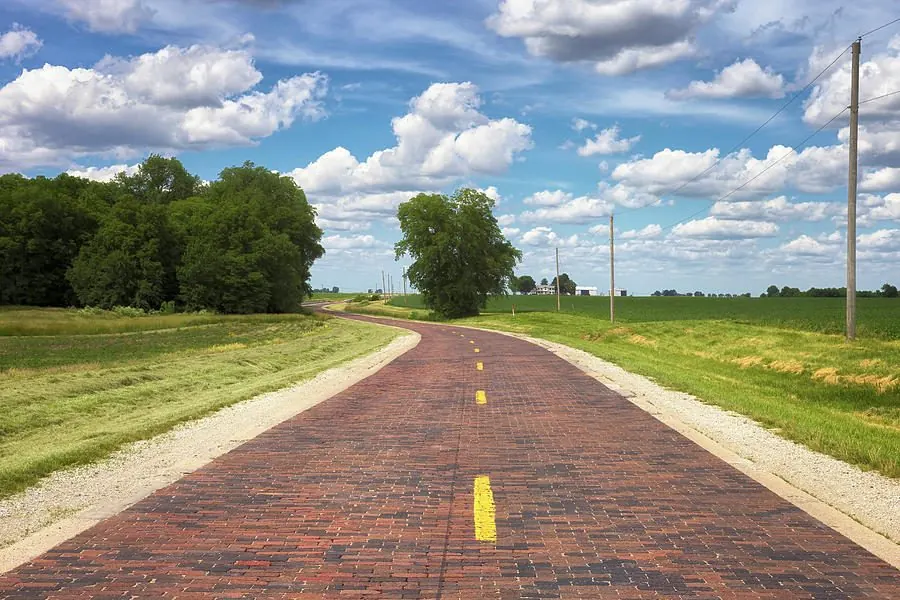
A surviving stretch of 1920s brick Route 66, offering a tactile connection to the highway's early construction.
Between Chatham and Auburn, the first alignment of Route 66 followed Illinois Route 4, and this stretch along Snell and Curran roads is a survivor of that early road. Route 66 used it from 1926 until the highway was shifted east in 1930. The brick surface, laid by hand over a concrete base, dates from the early 1930s, shortly after the road went back to its state route number. The segment, about a mile and a half long with two 1920 concrete bridges over Little Panther Creek, was added to the National Register of Historic Places in 1998.
You drive it. The brick runs through quiet countryside, and the rumble under the tires is the whole point. It is a public road, so you can roll along slowly, stop where it is safe, and get out to look at the brickwork and the small concrete bridges. There are no facilities, just a quiet rural stretch that looks much as it did decades ago.
Hours, prices and access change. Confirm with the venue before you go. Details last checked October 2026.
From people who've been.
The stops on either side of this one, in driving order from Chicago to Santa Monica.
Full of memorabilia and classic cars, offering dining and Route 66 history under one roof.
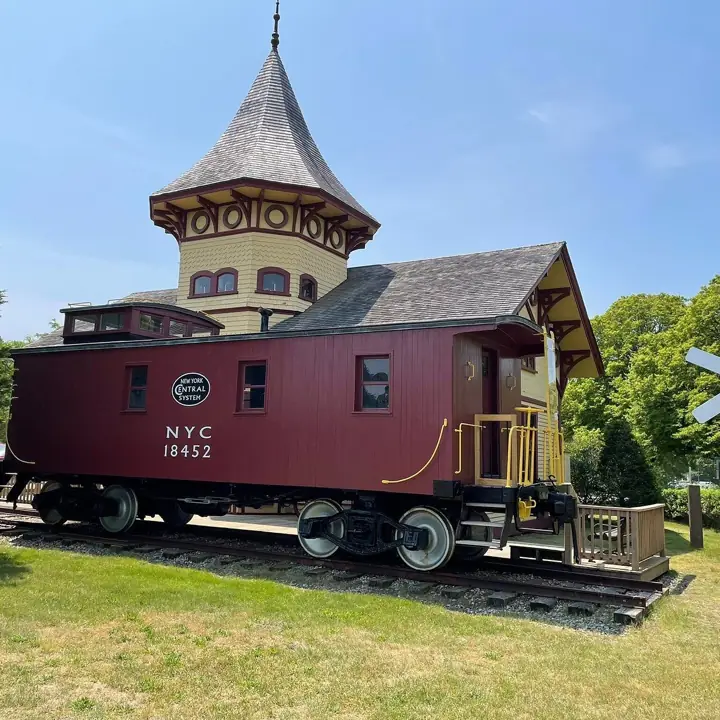
Local railroad history museum in Chatham's old train depot; opening hours are limited, so check before visiting.
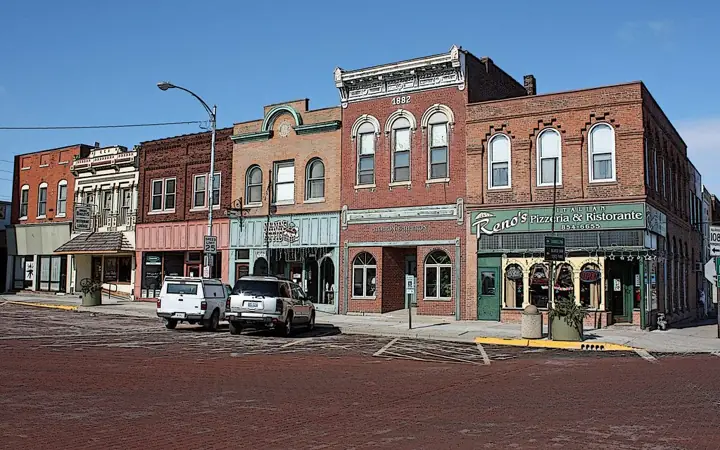
Charming town square and Sears Home district featuring well-preserved 19th and early 20th-century architecture.
Itineraries, roadside gems, and site updates — no spam.