
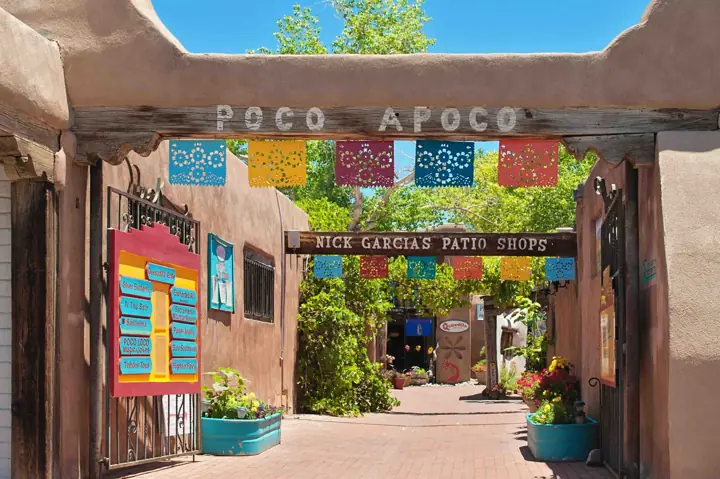
Pre-dates Route 66 but worth the detour for its historic plaza, adobe architecture, and cultural attractions.
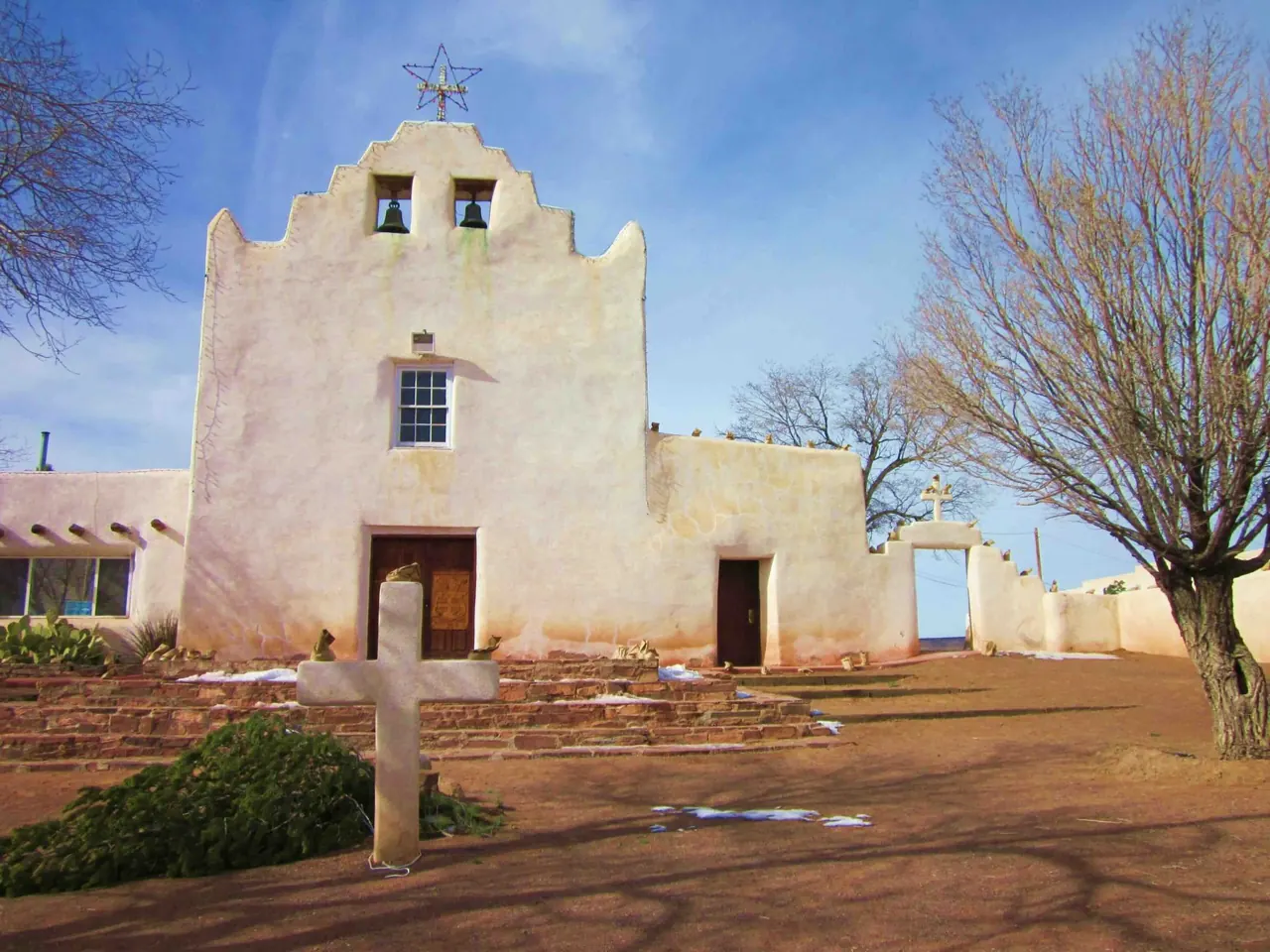
Historic adobe church from 1699, representing centuries of Native American and Spanish colonial heritage.
The mission of San Jose de Laguna was built between 1699 and 1701, in the years of Spanish return after the Pueblo Revolt of 1680. The pueblo itself was established in 1699 by Kawaik people together with refugees from other pueblos, among them Cieneguilla, Santo Domingo, Cochiti and Zia. Franciscan friars oversaw the building of the church from local materials, and it was dedicated to Saint Joseph. The Pueblo of Laguna historic district was added to the National Register of Historic Places in 1973. The early alignments of Route 66 ran to Laguna, which put the old church on the route of highway travelers.
The church stands in the old village of Laguna Pueblo, a short way off the interstate. Inside are an eighteenth-century carved wooden altar screen with spiral columns, a hand-carved pulpit with a sounding board, an adobe altar and a painting of San Jose on buffalo hide. This is a living parish and a living community, so you visit as a guest. Photography is not allowed inside the church.
Hours, prices and access change. Confirm with the venue before you go. Details last checked October 2026.
From people who've been.
The stops on either side of this one, in driving order from Chicago to Santa Monica.
Pre-dates Route 66 but worth the detour for its historic plaza, adobe architecture, and cultural attractions.
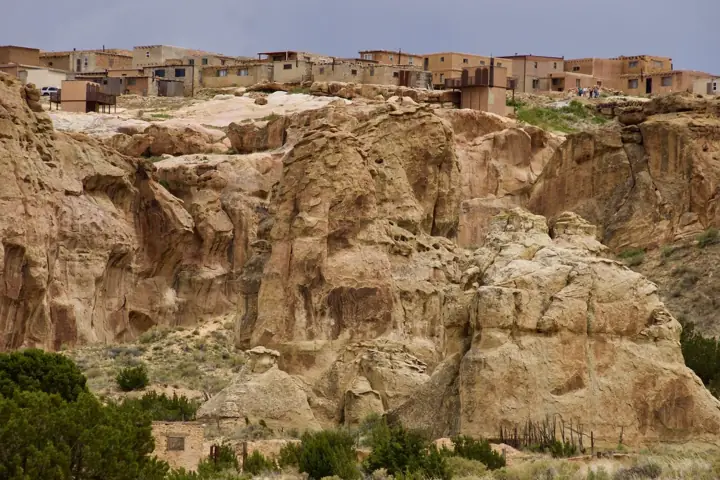
One of the oldest continuously inhabited communities in North America. Tours available to this mesa-top village.
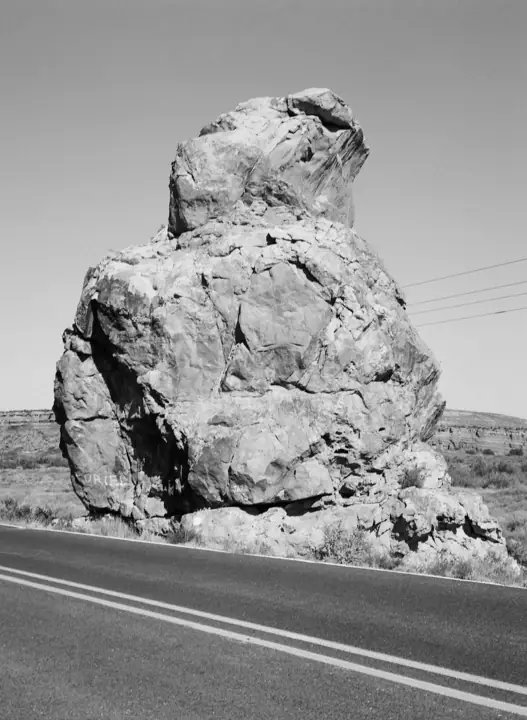
A 20-foot tall sandstone formation located along the Old Route 66 known for its unique shape resembling an owl.
Itineraries, roadside gems, and site updates — no spam.