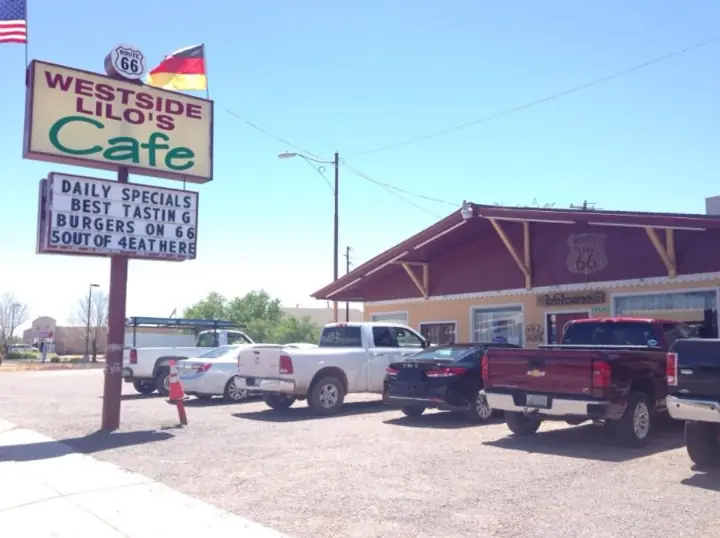
Eat at a Route 66 landmark with lots of nostalgic and a traveler-friendly vibe.
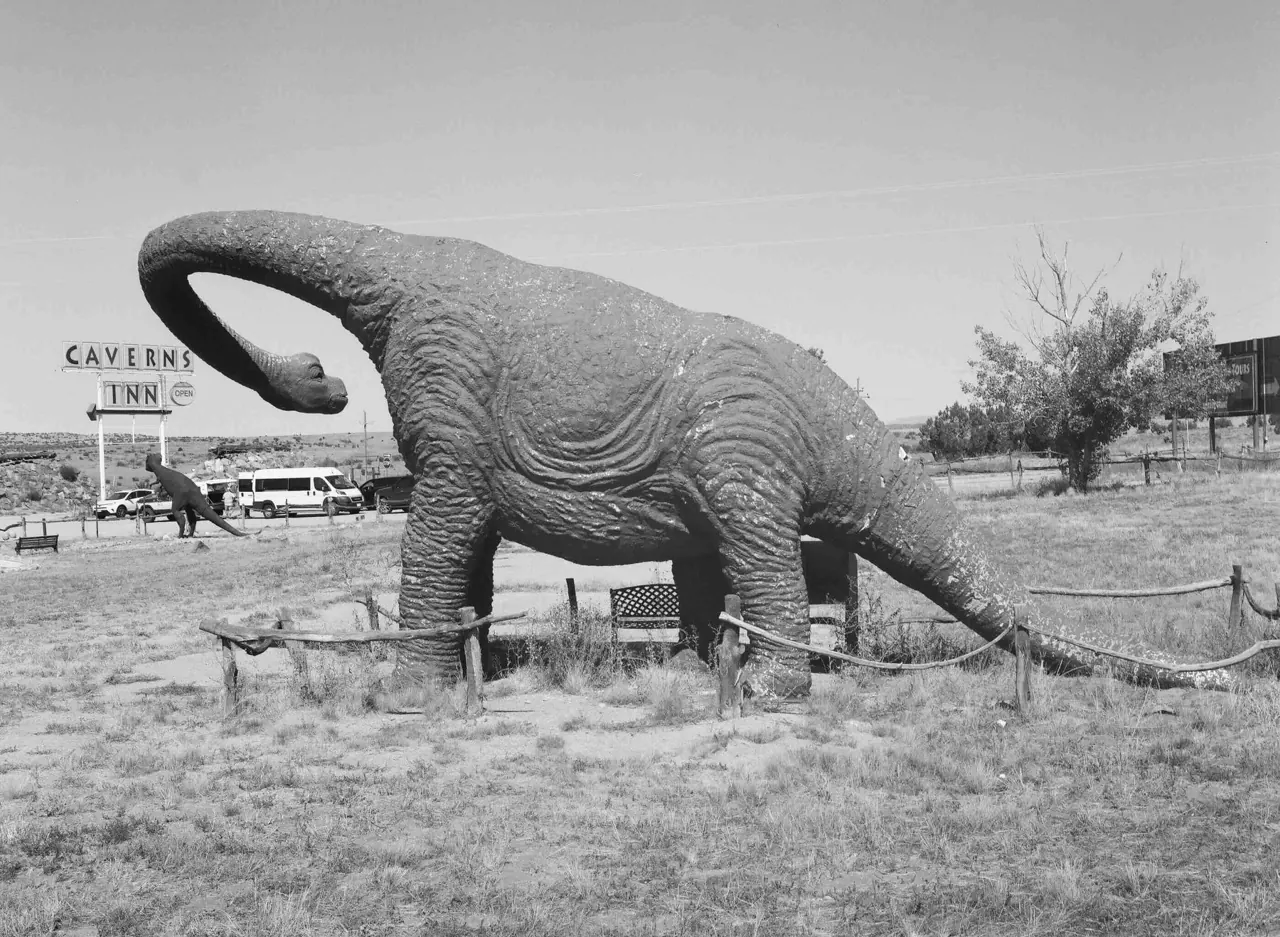
Largest dry caverns in the U.S., with tours and a motel, offering underground adventure 200 feet below the surface.
Walter Peck came across the entrance to these caverns in 1927 and soon began showing them to travelers on Route 66 for 25 cents. The attraction went by several names, including Yampai Caverns, Coconino Caverns and Dinosaur Caverns, before becoming Grand Canyon Caverns in 1962, the year an elevator was installed. During the Cuban Missile Crisis the government designated the caverns a fallout shelter and stocked supplies for 2,000 people, which are still stored below. The Havasupai Tribe now owns and operates the property.
An elevator takes you about 200 feet down into a dry limestone cavern, among the largest of its kind in the country. Because there is almost no moisture, you see few stalactites or stalagmites; instead guides point out old waterways, the remains of a prehistoric sloth, a preserved bobcat and the stacked Cold War rations. Above ground are an inn, cabins, an RV park and campground, and a restaurant.
Hours, prices and access change. Confirm with the venue before you go. Details last checked October 2026. More Route 66 stops in Peach Springs, AZ.
From people who've been.
The stops on either side of this one, in driving order from Chicago to Santa Monica.
Eat at a Route 66 landmark with lots of nostalgic and a traveler-friendly vibe.
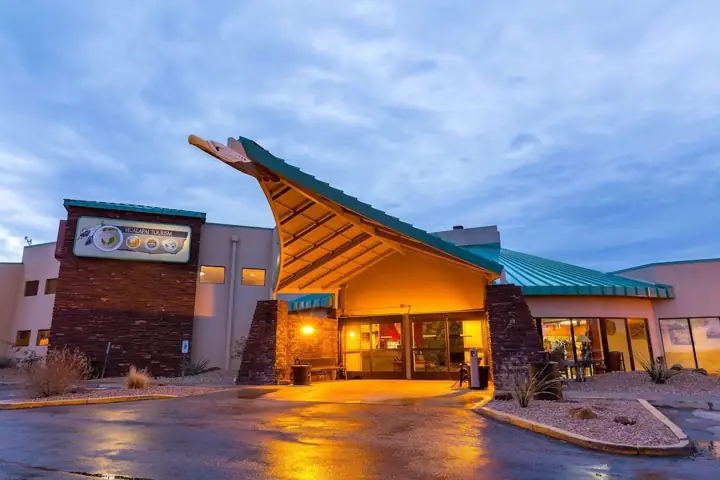
Native-owned hotel and cultural hub showcasing Hualapai tribal heritage and hospitality.
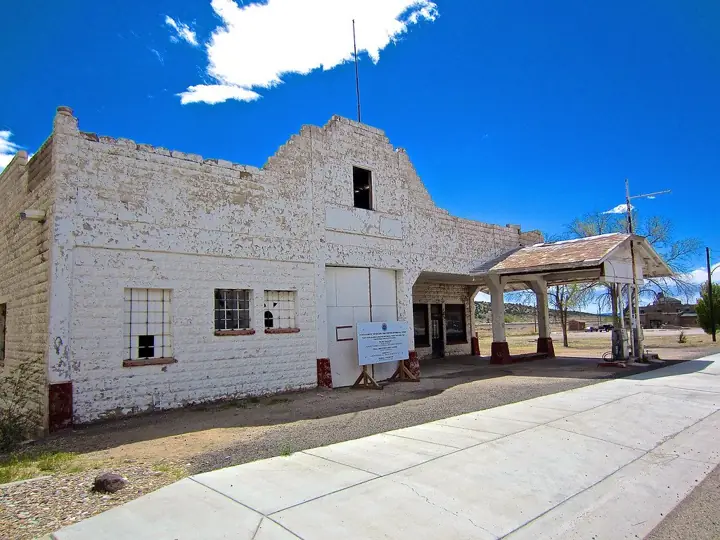
Classic photo ops showcasing the abandoned infrastructure of Route 66's golden era.
Itineraries, roadside gems, and site updates — no spam.